Yulia Yellow Limestone Walling
Product DetailYulia Yellow Limestone Walling is natural limestone walling with a warm yellow palette and an organically varied stone texture. Subtle differences in color and surface detail give every
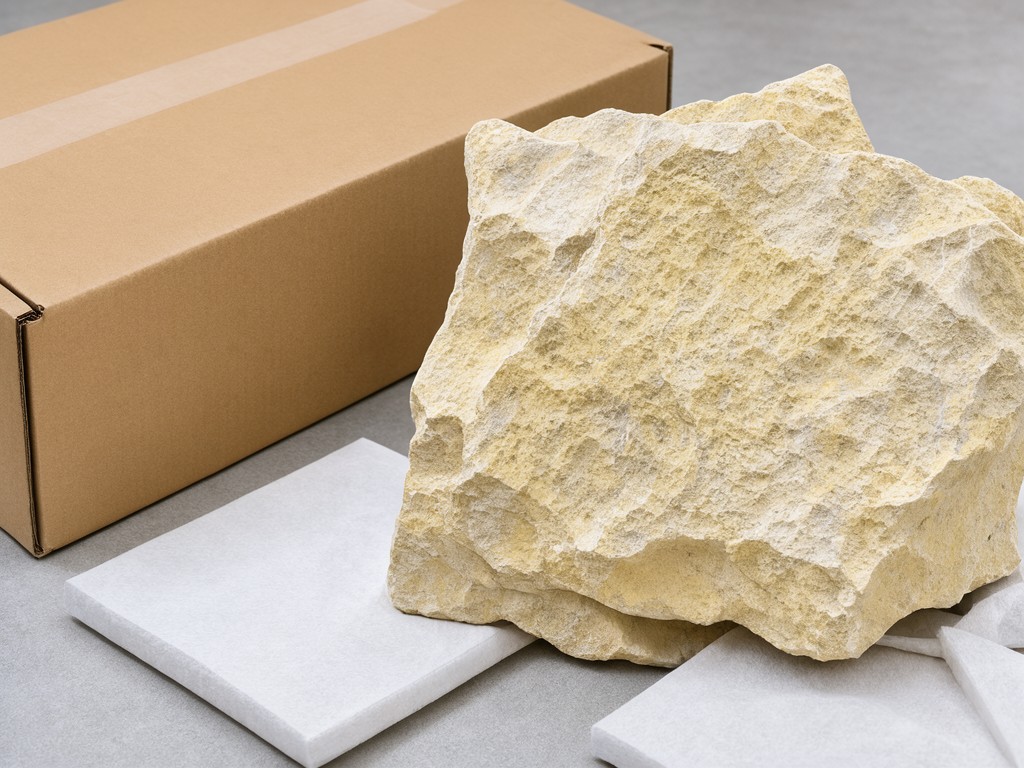
Yulia Yellow Limestone Walling is natural limestone walling with a warm yellow palette and an organically varied stone texture. Subtle differences in color and surface detail give every piece its own character, creating a distinctive, authentic finish when installed.
Its warm yellow tones make Yulia Yellow Limestone Walling a versatile option for a range of architectural styles. The stone complements rustic, farmhouse, Mediterranean, traditional, Tuscan, and contemporary designs, and pairs naturally with wood, beige stone, brick, concrete, and metal.
The textured limestone surface brings depth and character to a wall while maintaining a balanced visual effect. Its warm appearance can contribute to a comfortable, welcoming atmosphere, making it well suited to projects that call for natural materials and earthy colors.
Applications include exterior building façades, garden and retaining walls, interior feature walls, fireplace surrounds, entrance areas, patios, and landscaping features. Yulia Yellow Limestone Walling can be specified for residential properties, hotels, restaurants, commercial buildings, and other architectural projects.


Why Choose Yellow Limestone Walling for Exterior Walls?
Limestone walling is widely used in exterior architecture because it pairs the authentic look of natural stone with the versatility needed for residential, commercial, and landscape projects. Yulia Yellow Limestone is especially appealing for exterior walls: its warm yellow and beige tones create a natural finish that suits both traditional and contemporary architectural styles.
Yellow limestone wall cladding can enhance building façades, entrance and boundary walls, courtyard structures, columns, and other architectural features. Natural color and texture variations give the wall greater visual depth than many uniform artificial materials. Depending on the design, different surface finishes and edge treatments can also create a more rustic or refined effect.
Natural limestone walling coordinates readily with other building materials. Yellow limestone can be combined with timber, glass, metal, concrete, roofing materials, and other natural stones, giving architects and contractors flexibility when developing an exterior design.
For importers, contractors, developers, and stone distributors, choosing limestone for exterior walls involves more than appearance. Consider stone dimensions, thickness, finish, packing, installation method, and project quantity before ordering. Selecting a suitable specification helps ensure the limestone walling meets both the architectural concept and practical installation requirements.
Where Can Limestone Walling Stone Be Used?
Limestone walling stone suits a broad range of architectural and landscaping projects. Its natural texture and warm appearance make it a useful choice when designers want to introduce genuine stone without restricting the project to a single architectural style.
Building façades are a common application. Limestone walling can cover complete exterior elevations or highlight entrances, lower wall sections, columns, and architectural details. In residential developments, it is also frequently considered for villas, private homes, courtyards, boundary walls, and outdoor entertaining areas.
Landscape projects offer another broad range of uses. Natural limestone can be incorporated into garden walls, retaining wall surfaces, raised planting areas, pathways, entrance features, and landscape structures. Its warm yellow color works naturally outdoors with plants, soil, timber, and other landscaping materials.
Commercial and hospitality settings can also feature limestone walling, including hotels, resorts, restaurants, retail developments, clubhouses, and public spaces. Depending on the design brief, the stone can be used across larger wall areas or as a smaller decorative detail.
When choosing limestone walling stone for a particular application, consider the required dimensions, thickness, surface treatment, installation system, local climate, and structural design. Matching the stone specification to the project’s requirements is essential for a practical installation and a visually consistent finished wall.
Yellow Limestone Wall Cladding for Villas and Residential Projects
Yellow limestone wall cladding is well suited to villas and residential developments where natural materials are central to the architectural design. Its yellow, cream, and beige tones can soften large exterior surfaces while adding the texture and variation characteristic of natural stone.
On villa projects, yellow limestone wall cladding can be used on exterior façades, entrance areas, feature walls, columns, garden structures, courtyards, terraces, and boundary walls. Architects may apply it across an entire elevation or combine it with painted surfaces, glass, timber, metal, or darker stone for contrast.
Residential projects often call for flexibility in stone dimensions and processing. A modern villa may suit clean lines and consistent rectangular pieces, while a traditional residence may benefit from a more textured or irregular limestone walling style. Choosing an appropriate surface finish and stone format allows the same natural material to serve different architectural concepts.
Color consistency is also worth considering during project planning. As limestone is a natural material, individual pieces may vary in shade, grain, fossil markings, and texture. Rather than treating these characteristics as artificial defects, designers can plan the stone layout and blend pieces to achieve a balanced finished façade.
For contractors and project buyers purchasing yellow limestone wall cladding in quantity, confirming drawings, dimensions, thickness tolerances, finish, quantity, packing method, and installation requirements before production can help limit adjustments after delivery to the site.
Natural Split Finish vs Honed Yellow Limestone Wall Cladding
The surface finish has a significant influence on the appearance of yellow limestone wall cladding. Two common design options are a more textured natural or split surface and a smoother honed finish. The right choice depends on the architectural style, installation location, and visual effect required.
A natural split or textured surface highlights limestone’s original character. Limestone split face tiles feature a textured face that creates natural shadows, depth, and variation across a wall. This finish is particularly suitable for garden and boundary walls, landscape structures, rustic villas, entrance features, and architectural accent walls. Textured limestone walling can also contrast effectively with smooth concrete, glass, timber, and other contemporary building materials.
For a more pronounced three-dimensional stone effect, limestone split face tiles can be used to create feature walls and decorative cladding with stronger surface variation. The finished look depends on the stone format, color variation, joint design, and installation pattern.
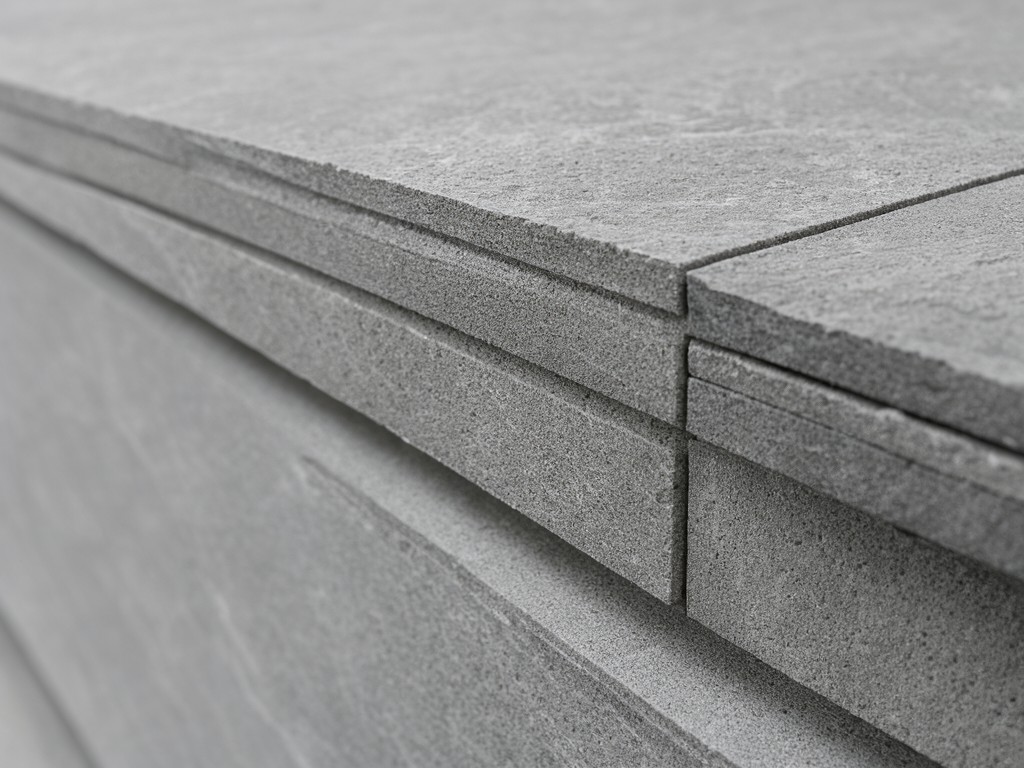
Honed limestone has a more controlled, refined appearance. Its relatively smooth surface brings out the stone’s natural color and pattern while creating cleaner visual lines. This finish may suit modern villas, commercial buildings, interior feature walls, reception spaces, and other projects where a contemporary aesthetic is preferred.
Neither finish is right for every application. Before specifying a surface, buyers should consider the installation environment, desired appearance, cleaning and maintenance expectations, stone thickness, and fixing method.
Samples can be especially helpful when sourcing natural stone in commercial quantities. Reviewing representative samples gives architects, importers, and contractors an opportunity to compare color, texture, and processing before confirming production. For custom yellow limestone wall cladding, finish selection should be considered alongside dimensions and thickness.
How to Choose the Right Size and Thickness for Limestone Walling
Specifying the correct size and thickness is an important part of selecting limestone walling for an architectural project. There is no single dimension suitable for every application, as wall design, installation method, structural requirements, architectural drawings, and local construction standards vary from project to project.
Smaller limestone walling pieces can create a traditional masonry appearance and may suit garden walls, boundary walls, landscape features, and rustic residential designs. Larger rectangular formats produce cleaner horizontal and vertical lines, making them a popular option for modern façades, villas, commercial buildings, and contemporary architectural projects.
Determine thickness according to the intended installation system and engineering requirements. Yellow limestone wall cladding used as a decorative facing may require a different specification from heavier natural stone walling used in another type of wall construction. Buyers should not select thickness based on price or appearance alone.
Before placing a bulk order, contractors and project buyers should share as much project information as possible, including drawings, required stone dimensions and thickness, surface finish, edge treatment, installation method, quantities, and any special processing requirements. This information allows the stone supplier to assess whether the requested specification can be produced consistently.
For projects with multiple wall elevations or stone sizes, a detailed cutting list can also support material planning. Accurate specifications help limit unnecessary cutting on site, simplify installation, and ensure the supplied limestone walling aligns more closely with the architectural design.
Yellow Limestone Walling for Garden and Landscape Walls
Yellow limestone walling is a natural fit for garden and landscape designs where hardscape materials need to complement the outdoor setting. Its warm tones coordinate with vegetation, timber, gravel, paving, water features, and other natural landscape elements without looking overly artificial.
Typical applications include garden and courtyard walls, boundary features, raised planting areas, landscape partitions, entrance structures, decorative retaining wall surfaces, and outdoor living spaces. Limestone walling stone can also be coordinated with natural stone paving, steps, coping, and other architectural stone elements for a more unified landscape design.
Stone format can create noticeably different effects. Regular rectangular pieces produce a structured, contemporary wall, while varied sizes and more textured finishes can lend a rustic appearance. This flexibility makes yellow limestone suitable for private gardens and larger residential developments, resorts, hotels, parks, and commercial landscaping projects.
Specify outdoor applications according to the actual site environment. Climate, drainage, wall construction, exposure conditions, installation method, and maintenance requirements should all be considered when selecting the stone and finish. For retaining structures in particular, limestone facing is not a substitute for appropriate structural and drainage design.
For landscape contractors, stone distributors, and project buyers sourcing yellow limestone walling in bulk, confirming dimensions, finish, quantity, packaging, and project schedule in advance can streamline procurement and installation while supporting a consistent natural-stone appearance across the project.
Limestone Walling FAQs
What is limestone walling?
Limestone walling is natural limestone processed into stone pieces or cladding for architectural and landscape walls. Uses include exterior façades, villas, garden walls, boundary walls, courtyards, entrance features, and commercial projects. Limestone walling stone is available in a range of sizes, thicknesses, surface finishes, and edge treatments to suit the design and installation method.
Is yellow limestone suitable for exterior wall cladding?
Yes. Yellow limestone can be used for many exterior wall applications when its specification, installation system, and local environmental conditions are suitable. Yellow limestone wall cladding is commonly considered for façades, villas, garden structures, entrance walls, and landscape projects. Before installation, confirm the stone thickness, finish, fixing method, drainage, and applicable construction requirements.
What thickness should I choose for limestone walling stone?
The appropriate thickness depends on the application, stone dimensions, installation method, structural design, and project requirements. Decorative limestone wall cladding may call for a different specification from heavier walling stone. Contractors and project buyers should provide drawings or installation details when requesting a quotation so the limestone walling specification can be assessed before production.
Can yellow limestone wall cladding be customized?
Yes. Subject to the stone’s characteristics and manufacturing capabilities, yellow limestone wall cladding can generally be processed to meet project requirements. Buyers can specify dimensions, thickness, surface finish, edge treatment, and other processing details. For larger architectural projects, drawings, cutting lists, quantities, and application information can support accurate production and quotation.
Where is limestone walling stone commonly used?
Limestone walling stone is commonly used on residential façades, villas, garden and courtyard walls, boundary walls, entrance features, landscape structures, hotels, resorts, and commercial developments. The range of sizes and finishes allows natural limestone walling to complement both traditional and contemporary architectural styles.
How do you maintain yellow limestone walling?
Routine care generally involves keeping the stone clean and addressing dirt or staining before it becomes difficult to remove. As limestone is a natural stone, choose cleaning products and maintenance methods carefully for the specific material and finish. Do not assume that every general-purpose cleaner is suitable for limestone. For larger projects, follow the maintenance guidance provided by the stone supplier and installation professional.
What information should I provide when ordering limestone walling?
For an accurate quotation, provide the limestone type, dimensions, thickness, surface finish, edge treatment, quantity, application, project location, and any available drawings or cutting lists. When ordering yellow limestone wall cladding for a villa, commercial building, or landscape project, installation requirements and project schedules are also useful for identifying a suitable supply solution.
Can I order limestone walling stone for large projects?
Limestone walling stone can be supplied for larger residential, commercial, hospitality, and landscape projects, subject to production capacity and material availability. For bulk orders, confirm quantities, specifications, acceptable natural color variation, packaging, production schedule, and shipping requirements before ordering. Project drawings and detailed stone schedules can also help prevent specification errors during procurement.