Wholesale Yellow Limestone Wall Cladding Supplier
Selecting limestone for architectural cladding requires an understanding of mineral density and water absorption rates. While yellow hues offer distinct aesthetic warmth, the porous nature of sedimentary stone can lead to spalling or efflorescence if the batch is not processed for moisture resistance. Procurement teams must prioritize stone with low capillary absorption coefficients and high abrasion resistance to ensure the structural integrity of the facade over decades of exposure.
Technical Grade Overview
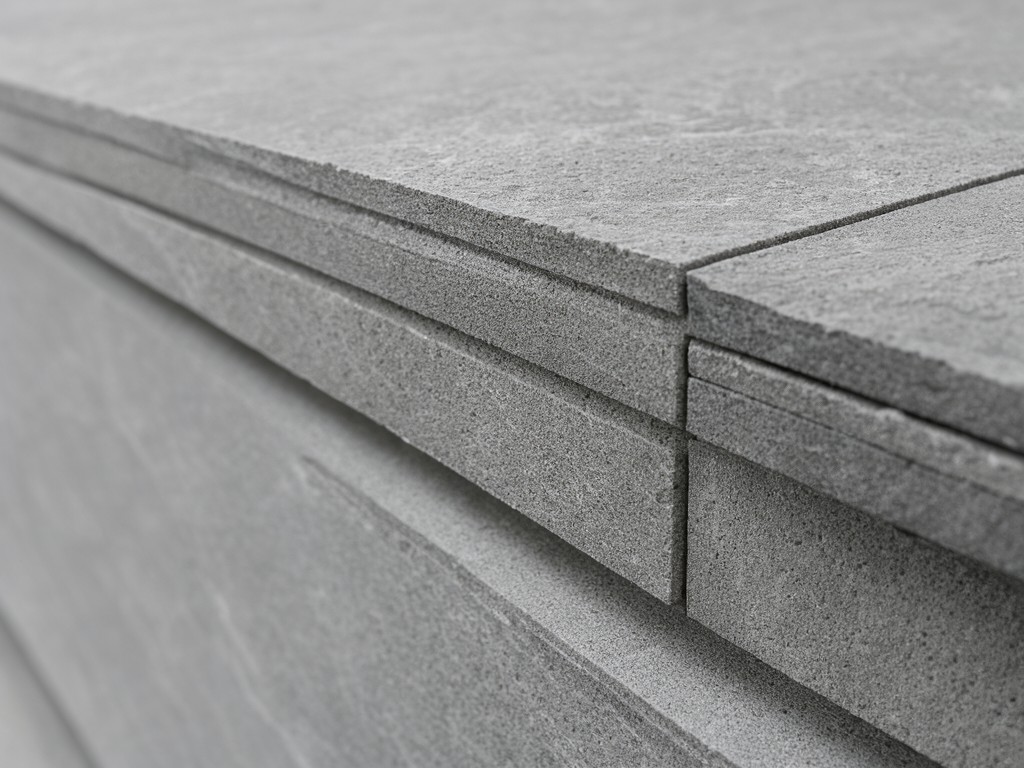
Standard-grade yellow limestone typically varies from 15mm to 30mm in thickness depending on the load-bearing requirements of the mounting system. Thicker slabs provide better resistance against thermal expansion cracking in high-exposure environments.
Material Composition and Finish Options
The surface treatment of the limestone is dictated by the installation method used. Honed finishes provide a matte surface that hides minor tool marks, whereas tumbled textures increase the surface area which can improve grip and slip resistance. For high-volume wholesale orders, the consistency of the grain across different pallets is critical to prevent visible color shifts in large-scale wall installations.
- Honed: Smooth surface for interior or protected exterior where light reflection is controlled.
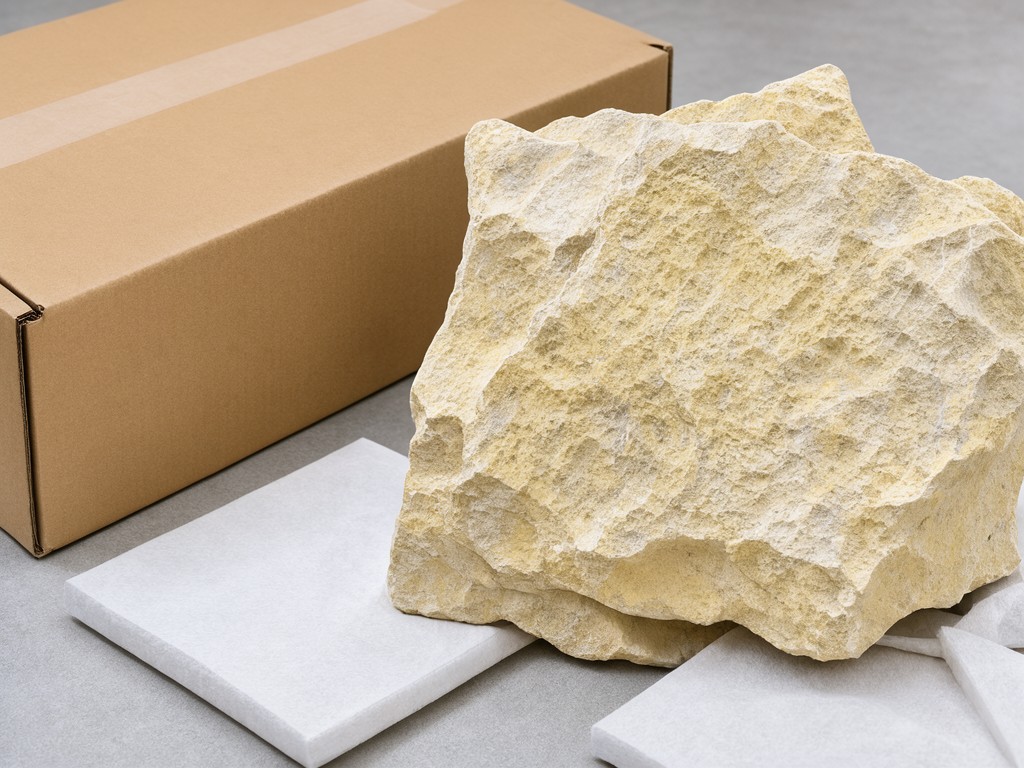
- Split-face: Natural rugged texture that highlights the geological layering of the yellow stone.
- Sandblasted: High-friction finish suitable for high-traffic vertical cladding areas.
Technical Specification Matrix
Procurement officers should evaluate the mechanical properties of the stone against the specific environmental demands of the project. The following table outlines the typical performance ranges for high-grade yellow limestone used in commercial-scale cladding projects.
| Parameter | Typical Range | Testing Metric |
|---|---|---|
| Water Absorption | < 4.0% - 6.0% | ASTM C977 |
| Compressive Strength | 40 - 70 MPa | ASTM C995 |
| Flexural Modulus | > 10 MPa | ASTM C664 |
| Abrasion Resistance | < 150g loss | ASTM C135 |
Quality Control and Bulk Logistics
Failure modes in limestone cladding often stem from internal fractures that occur during the extraction process. If the stone is not inspected via ultrasonic testing or visual micro-fissure checks, these defects manifest later under the stress of freeze-thaw cycles. Our process involves batch-level traceability to ensure that the yellow pigment remains consistent across multiple square meters of the installation.
Export packaging for stone cladding requires heat-treated pallets to prevent mechanical shifting during maritime transit. We utilize reinforced corner-stabilization to protect the edges of the slabs, which are the most vulnerable points for chipping during de-loading.
Frequently Asked Questions
How does the limestone react to UV exposure?
The yellow hue is naturally stable, but untreated mineral binders can darken over time. Using a penetrating sealer is recommended for exterior-facing cladding to prevent deep saturation.
What is the minimum order quantity for custom dimensions?
Wholesale orders typically start at 500 square meters to ensure material consistency and to optimize shipping container utilization rates.