custom limestone culture walling Company: What Buyers Should Check Before Ordering
The porosity of the limestone base material dictates the rate of moisture ingress during freeze-thaw cycles. High-absorption stone reduces unit cost but increases the risk of spalling and surface scaling in climates with rapid temperature fluctuations. Procurement officers must balance the aesthetic demand for thin-cut veneers against the structural density required for the specific geographic zone.
Critical Specification Rule: Edge Thickness
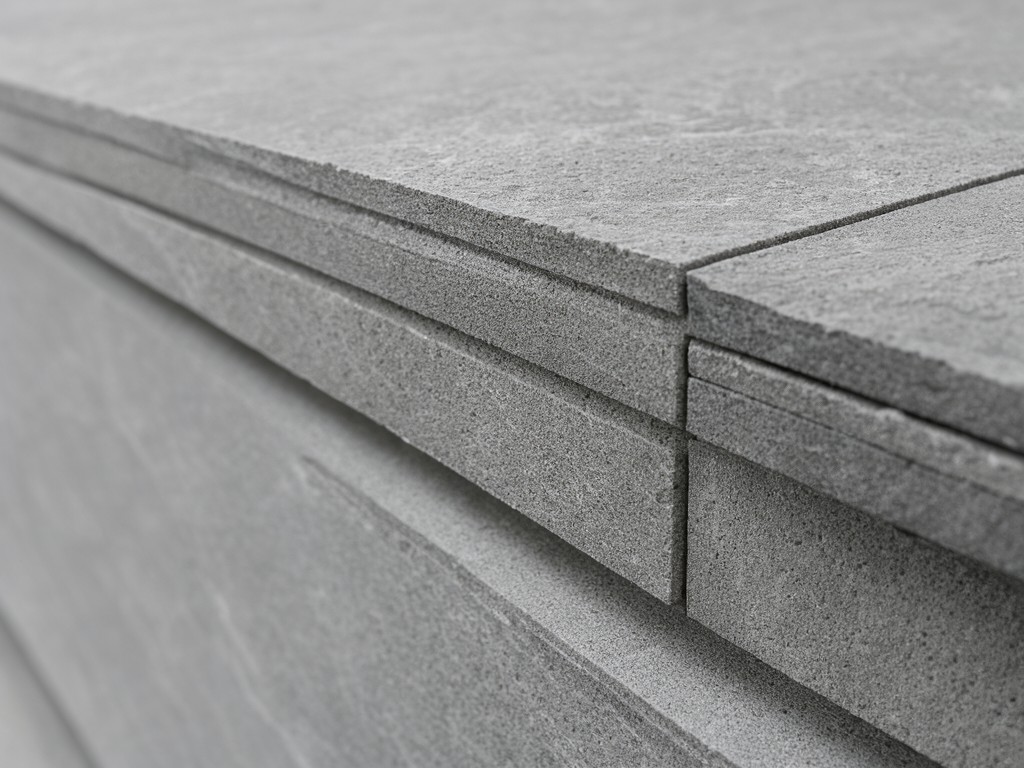
Thin-profile units (under 15mm) reduce shipping weight but offer lower resistance to impact damage. For facades subjected to frequent mechanical contact, a minimum thickness of 30mm is recommended to prevent hairline fractures.
Materials and Construction Trade-offs
The interface between the limestone face and the concrete substrate determines the longevity of the bond. Natural split-cut stone provides superior texture variation but is prone to delamination if the curing process is not properly calibrated. Machine-cut alternatives offer consistent dimensional geometry for faster installation but may lack the mineral depth found in traditional masonry.
| Parameter | Natural Split Limestone | Engineered Stone Veneer |
|---|---|---|
| Absorption Absorption | 3% - 8% | 1% - 3% |
| Texture Variance | High (Organic) | Uniform) |
| Weight Density | High | Medium-Low |
Measured Performance in Real Use
Consistency depends on the UV resistance of the sealant applied at the factory or on-site. In high-exposure environments, untreated limestone can darken over 24 months due to oxidation. Using a deep-penetrating silane-based sealer prevents internal staining without altering the breathability of the stone face.
Load Bearing
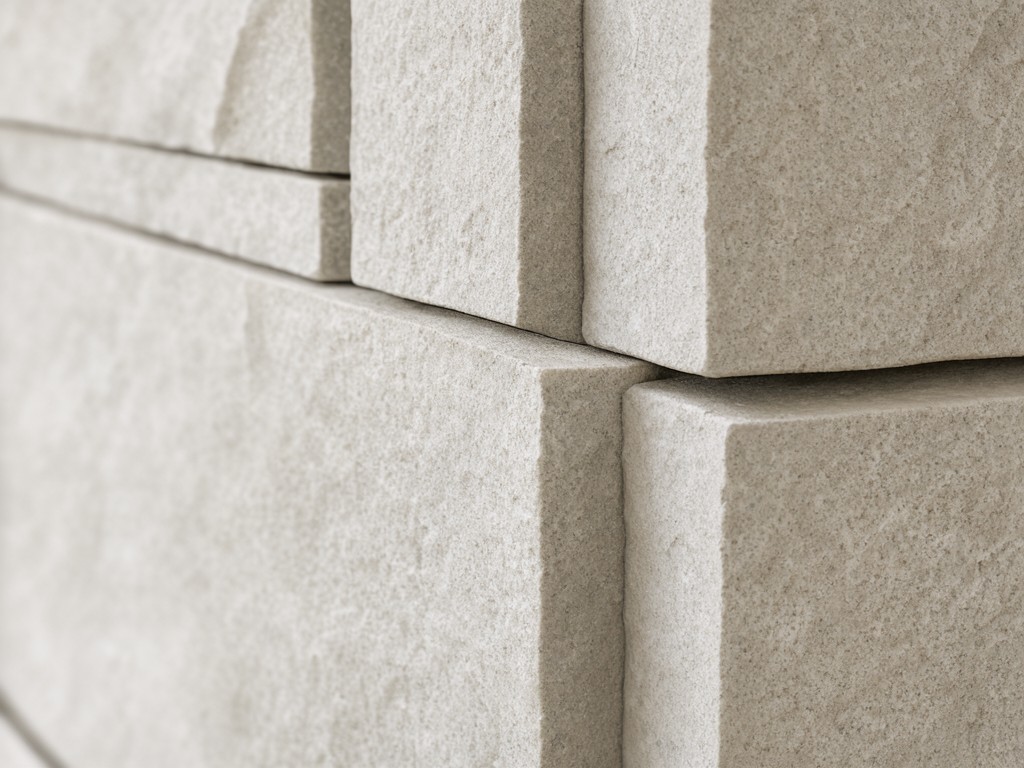
Maintains structural integrity up to 500kg/m² for standard cladding systems.
Thermal Expansion
Low expansion coefficient prevents cracking in temperature swings of +/- 30°C.
Matching the Product to the Buyer's Need
Balance and load analysis shows that interior projects can prioritize aesthetic variety and weight over weather resistance. External-grade limestone requires a higher-density matrix to prevent salt efflorescence on visible joints. Select the grade based on the local rainfall exposure levels of the project site.
What Can Be Customised and What Cannot
Customization is limited to face dimensions, edge profiles, and surface treatments like tumbling. However, the inherent mineral composition and natural veining patterns are fixed by the quarry source and cannot be altered through manufacturing processes.
- Custom modular sizes ranging from 50mm to 1200mm lengths.
- Surface finishes: honed, blasted, or natural split-face.
- Backing options: mesh-reinforced or loose mechanical-lay.
Usage Scenarios and Buyer Segments
Commercial Developers: Focus on high-volume facade cladding where dimensional consistency and installation speed are the primary metrics.
Residential Architects: Demand unique stone textures and specific color palettes for high-end accent finishes.
Infrastructure Contractors: Prioritize load-bearing specifications and chemical resistance for retaining walls and public elements.
Export Packaging and Handling Protection
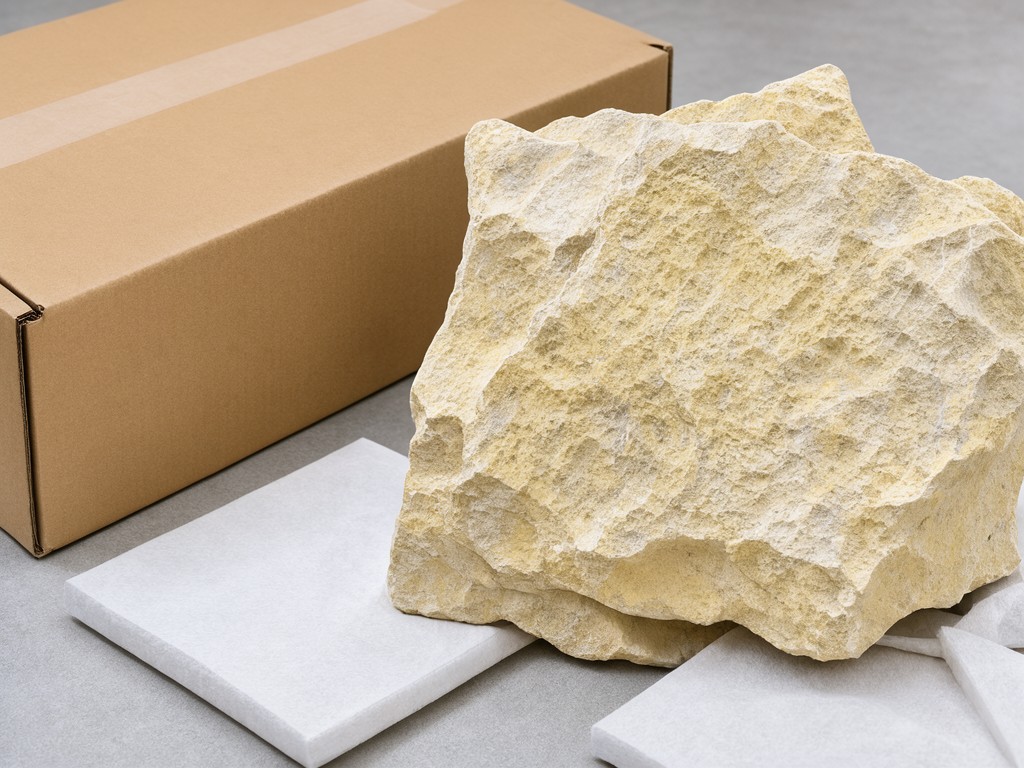
The fragile nature of limestone edges requires decenter-stabilized palletization and moisture-barrier wrapping. We utilize heat-treated crates with internal foam dividers to prevent friction-induced chipping during transoceanic transit.
Care, Storage and Service Life
Natural limestone typically offers a service life of 50+ years if acidic rainwater runoff is avoided. Storage must occur on elevated pallets to prevent ground-moisture wicking, which can stain the base of the stone units.
Ordering, Tooling and Lead-Time Questions
Lead times for custom orders vary based on the quarry availability and CNC cutting capacity. Tooling for bespoke edge profiles requires an initial 2-3 week engineering phase prior to the production run.
Request a technical review of your project specifications.
quotation-review