Primary Selection Trade-off: Density vs. Surface Porosity
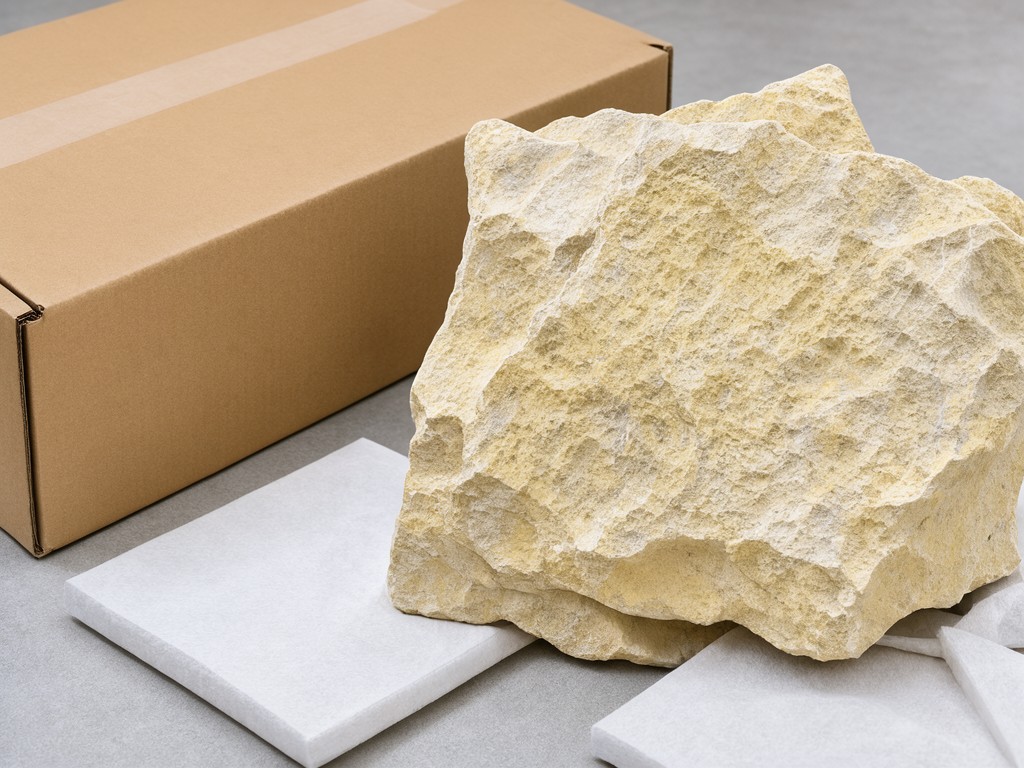
High-density granite variants increase resistance to freeze-thaw cycles but increase freight costs due to weight. More porous, split-face options provide cost savings and natural texture but require specific sealing agents to prevent spalling in high-moisture de-climate environments.custom granite culture stone Company - Bulk Supply and Specification Guide
What This Product Is and Where It Fits
Moving from sample orders to container loads changes the focus from individual aesthetic appeal to structural uniformity and batch-matching. These custom granite walling units are engineered for large-scale architectural projects where thermal stability and mechanical load-bearing capacity are non-negotiable.
The material serves as the primary veneer for retaining walls, commercial facades, and high-end landscape boundaries. Unlike manufactured alternatives, the natural mineral aggregate in these stones maintains dimensional integrity over decades of exposure to UV radiation and salt-based mechanical stress.
What Actually Determines Performance
Performance in granite walling is dictated by the water absorption rate and the compressive strength of the specific vein. If the absorption rate exceeds 0.5%, internal expansion during freezing can lead to surface delamination or total face failure in cold climates.
Mechanical bond strength depends on the back-face treatment. A split-face back provides a higher surface area for mortar adhesion compared to a sawn-flat back, reducing the risk of shear failure under lateral soil pressure.
Material Options and Their Trade-offs
| Material Grade | Weather Resistance | Primary Application |
|---|---|---|
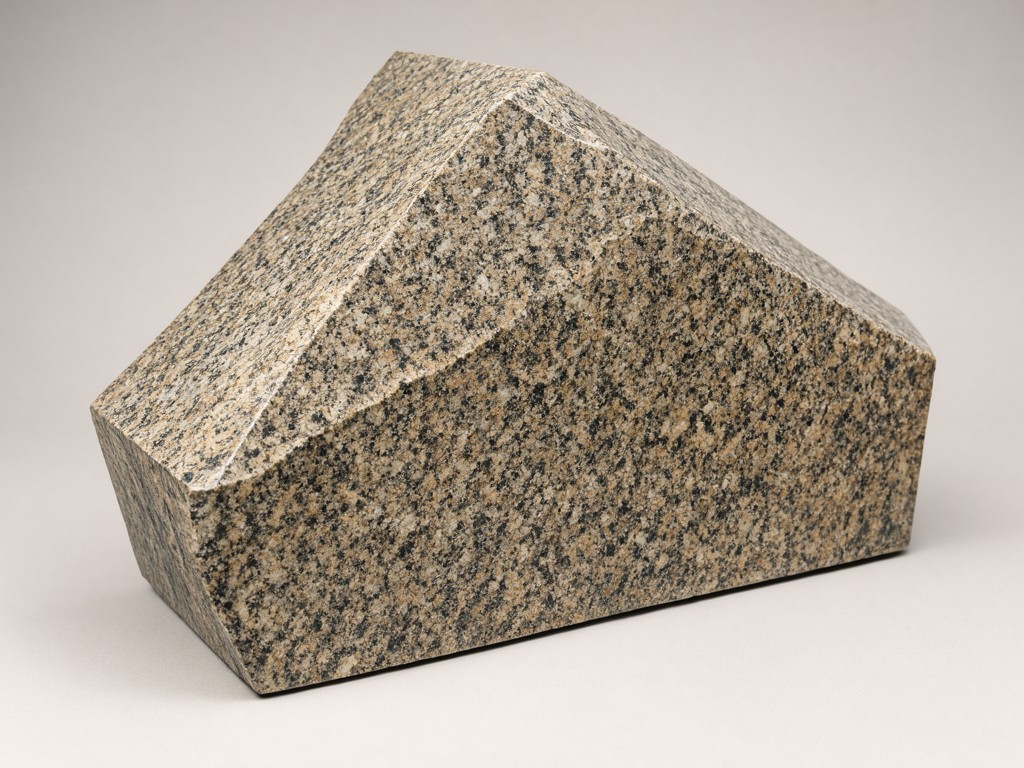
| High-Density Granite | Extreme (Low Porosity) | Structural Retaining Walls |
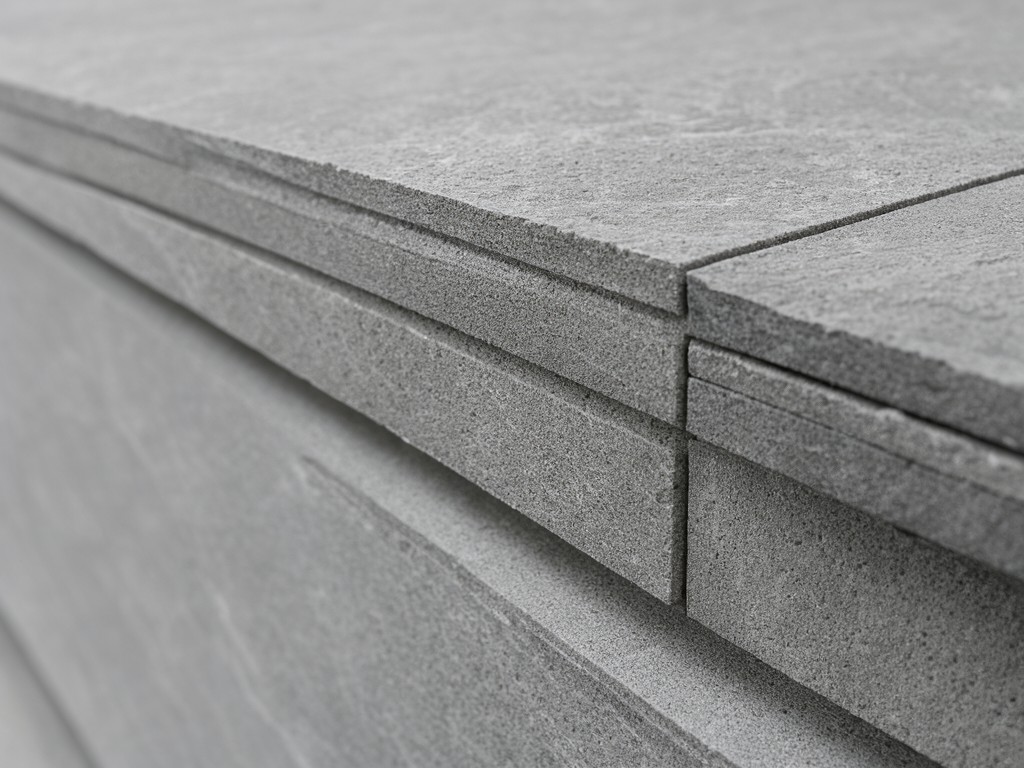
| Split-Face Granite | Medium (Variable) | Decorative Facades |
| Toned/Honed | High (Uniform) | Interior Accent Walls |
Assumptions Buyers Should Stop Making
Procurement officers often assume that color consistency is guaranteed across different quarry shipments. In natural stone production, mineral variance of 10-15% is standard and should be factored into the visual design-plan.
- Thickness tolerances are typically ±3mm; precision-cut requirements require a premium surcharge.
- Tensile strength varies based on the quartz content of the specific block.
- Weight per square meter fluctuates based on moisture content at the time of transit.
What Can Be Customised and What Cannot
When a brand extends an existing range, they can specify the face profile—from rough-hewn to honed modern architectural lines. We offer custom thickness ranging from 20mm to 100mm to meet specific structural requirements.
However, the geological composition and natural veining cannot be altered. If a project requires a specific mineral hue, the entire order must be sourced from a single quarry block to ensure batch-matching across the installation surface.
Quality Control and Batch Consistency
During a private-label launch with a fixed ship date, the primary risk is dimensional drift between batches. We utilize ultrasonic testing to verify internal density and manual caliper checks to ensure every stone meets the specified thickness tolerance band.
Each batch undergoes a moisture-level check before packing to ensure that any applied sealing agents or coatings bond correctly, preventing later efflorescence or bond failure during on-site installation.
Stock Availability and Reorder Planning
Lead times for custom granite are subject to quarry extraction cycles and seasonal labor availability. For large-scale developments, we recommend a 15% buffer stock of the primary SKU to mitigate mid-project shortages or breakage losses.
Packing, Marking and Freight Configuration
Standard export packaging utilizes heat-treated timber pallets with steel strapping to prevent shifting during maritime transit. Each pallet is marked with the batch ID, weight, and origin coordinates to allow for full lifecycle traceability and efficient on-site distribution.