Cream White Limestone Walling
Product Detail Cream White Limestone Walling is a versatile natural stone walling material with a soft cream-white color and subtle natural texture. Its light, neutral appearance offers a clean and
Cream White Limestone Walling: Natural Character
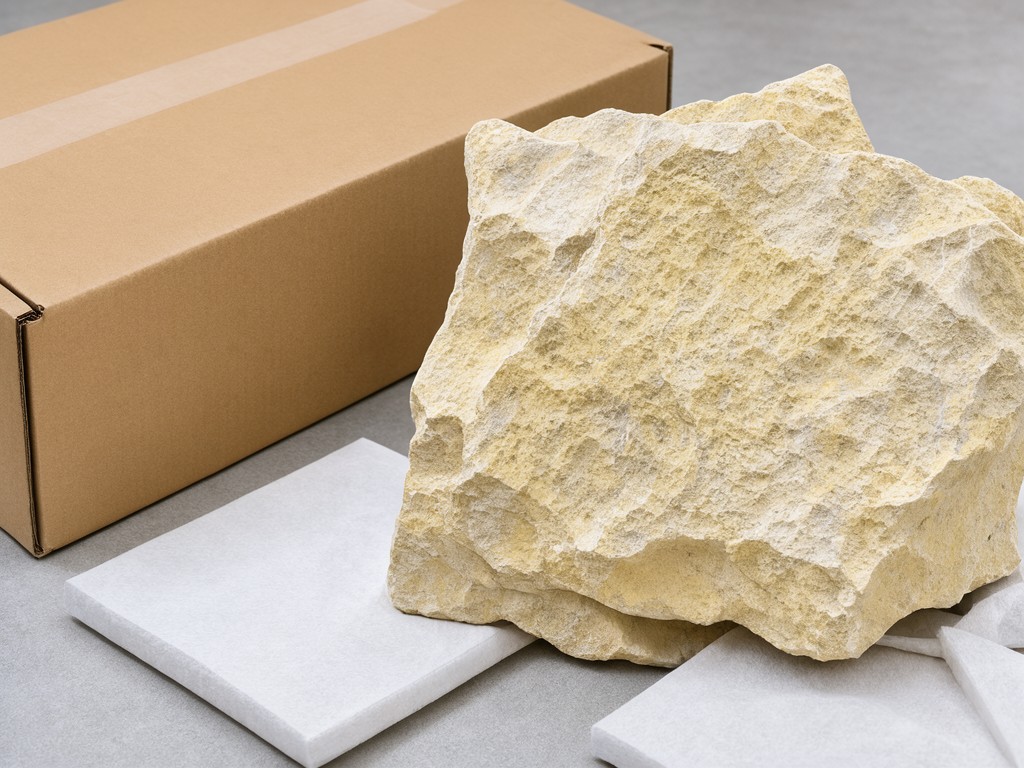
Cream White Limestone Walling is a versatile natural stone walling material with a soft cream-white color and subtle natural texture. Its light, neutral appearance offers a clean and welcoming finish while retaining the organic character that makes natural limestone distinctive. Rather than creating a highly uniform surface, the stone’s natural tonal variation brings gentle visual depth to a wall.
This balanced combination of light color and natural detail makes the walling a considered option for projects seeking a refined stone look without a strong or overpowering color statement. Cream and white tones can help a setting feel brighter and more open, while the texture gives the finished surface interest and a connection to natural materials. The result can complement both understated schemes and designs that pair several different finishes.
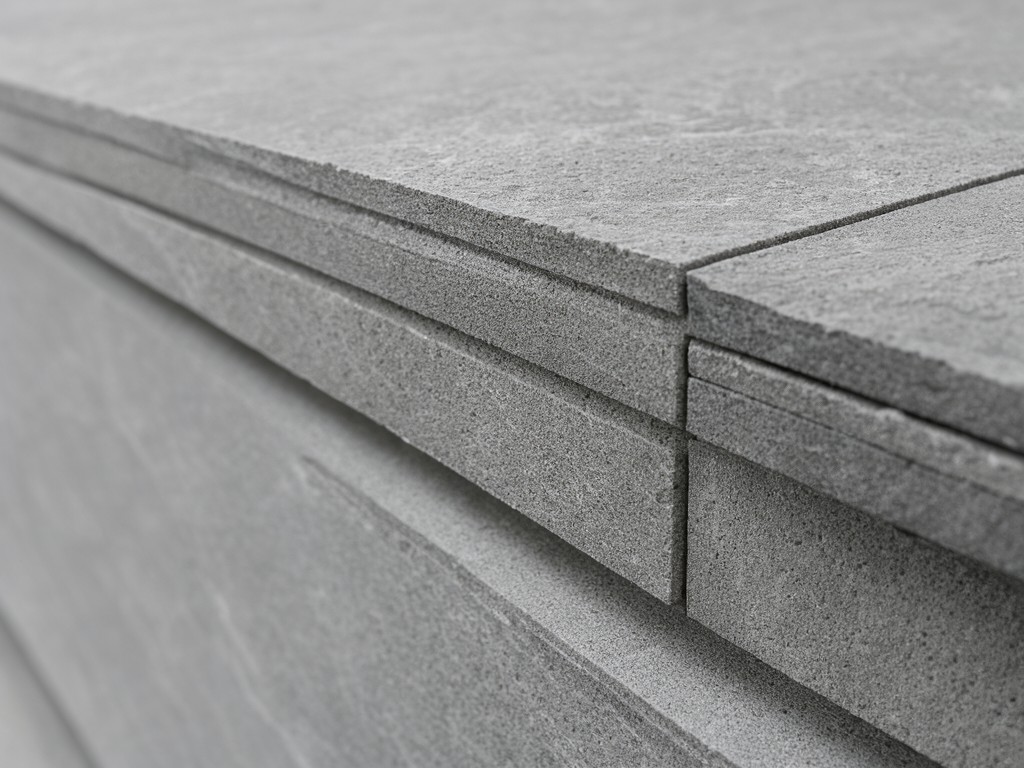
As with other natural stone products, the appearance is part of its appeal: subtle differences in tone and texture contribute to an individual, organic finish. When planning a project, consider how the walling will relate to surrounding materials and the overall design. Reviewing the stone in the context of the intended application can help establish a coordinated result across a larger wall or a more focused feature.
Design Versatility and Material Pairings
The understated color of Cream White Limestone Walling works with a broad range of architectural styles, including modern, contemporary, traditional, Mediterranean, farmhouse, and minimalist designs. Its adaptable appearance makes it suitable for projects where a wall needs to feel naturally finished while remaining easy to coordinate with the wider interior or exterior palette. It can provide continuity across a design, or offer a calm contrast against darker or more strongly colored features.
Natural wood can bring out the warmth in the limestone’s cream tones, while darker stone can introduce contrast and emphasize the lighter wall surface. Concrete, glass, and metal can also be incorporated to create balanced architectural compositions, from restrained contemporary settings to more layered, traditional schemes. These material combinations give designers and homeowners flexibility when developing a look that feels cohesive without relying on a single finish throughout the space.
The limestone may be used across a substantial wall area or as a distinctive accent, depending on the role of the surface in the project. A full facade can establish a consistent natural-stone appearance, while a feature wall can draw attention to a particular part of an interior or outdoor setting. In either use, the subtle texture helps add dimension while the light color maintains a gentle, welcoming impression.
Walling Applications for Indoor and Outdoor Projects
Cream White Limestone Walling is suitable for a variety of applications, including exterior building facades, interior feature walls, garden walls, fireplace surrounds, entrance areas, patios, retaining walls, and landscaping features. This range allows the same natural material to contribute to different parts of a property, helping create a visual connection between indoor rooms, building exteriors, and outdoor areas.
In residential settings, it can introduce natural texture to an entrance, define an outdoor entertaining area, or create a focal point around a fireplace. For hotels, restaurants, commercial buildings, and other architectural projects, its neutral tone offers a versatile surface that can be coordinated with different furnishings, finishes, and design concepts. The walling can be considered for both broad architectural surfaces and smaller decorative applications, depending on the project brief.
For applications where the wall also has a structural or retaining role, the overall wall design and installation should be planned for the intended site and use. Suitability, preparation, installation, and ongoing care should be considered as part of the project, with appropriate professional guidance where required. Following recommendations for the specific installation helps support a well-planned finish and helps ensure the material is used appropriately in its chosen setting.
Project Planning, Application, and Care