China Natural Split Loose Stone Walling Factory - Bulk Supply and Specification Guide
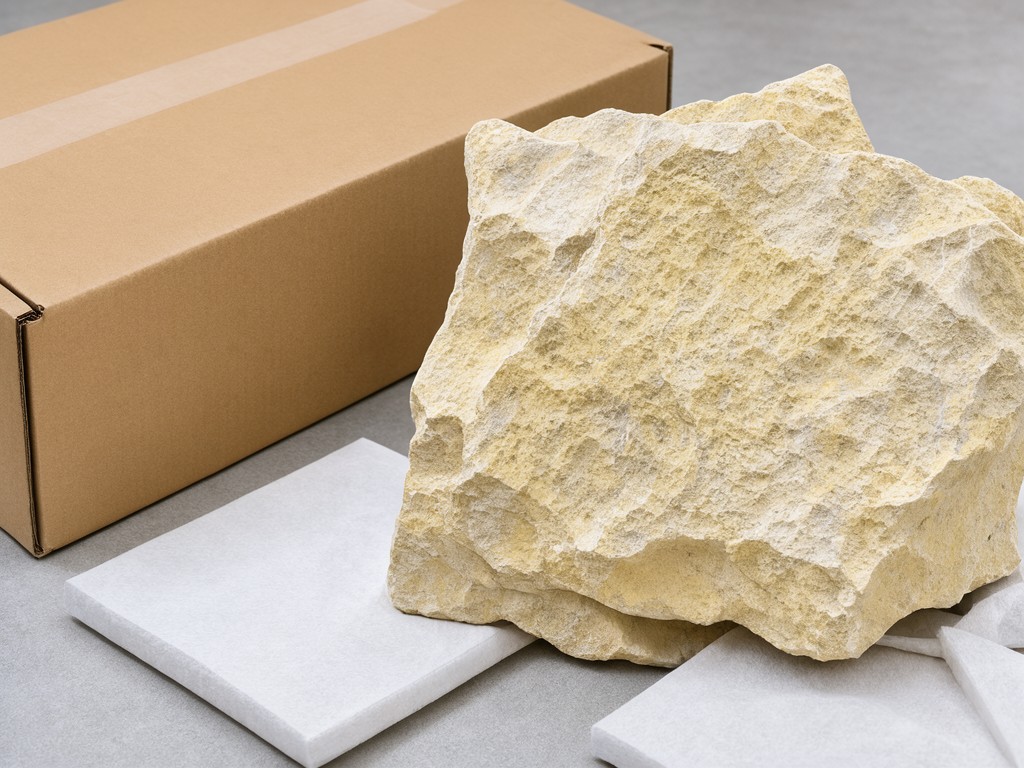
Sourcing natural split stone at scale requires an understanding of geological density variance and the mechanical splitting process. Unlike machine-cut masonry, split-face stone retains the natural fissures of the rock, which provides superior interlocking in dry wall construction. This process ensures that the structural integrity of the stone remains intact, reducing the risk of micro-fracture failure under high-pressure load applications.
Scope of Supply and Physical Form
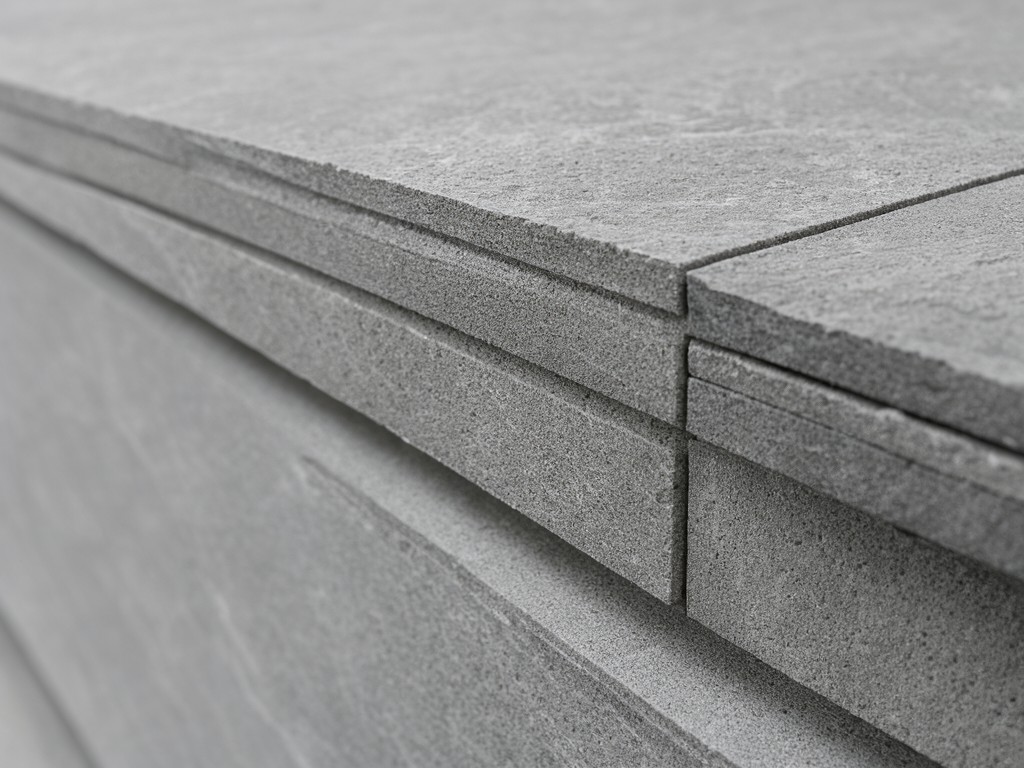
The facility processes various lithologies based on mineral hardness and weathering resistance. Granite and slate varieties offer higher load-bearing capacities but increase freight weight per cubic meter compared to softer sedimentary stones used for decorative cladding. The splitting method utilizes manual or hydraulic pressure to follow the natural grain, which prevents the thermal stress cracking common in diamond-saw cutting.
| Stone Type | Typical Thickness (mm) | Density Density (kg/m³) | Primary Application |
|---|---|---|---|
| Granite | 50-150mm | 2600-2800 | Heavy Retaining Walls |
| Slate | 20-100mm | 2400-2700 | Decorative Facades |
| Sandstone | 30-120mm | 2200-2400 | Garden Landscaping |
Where Cheaper Alternatives Fall Short
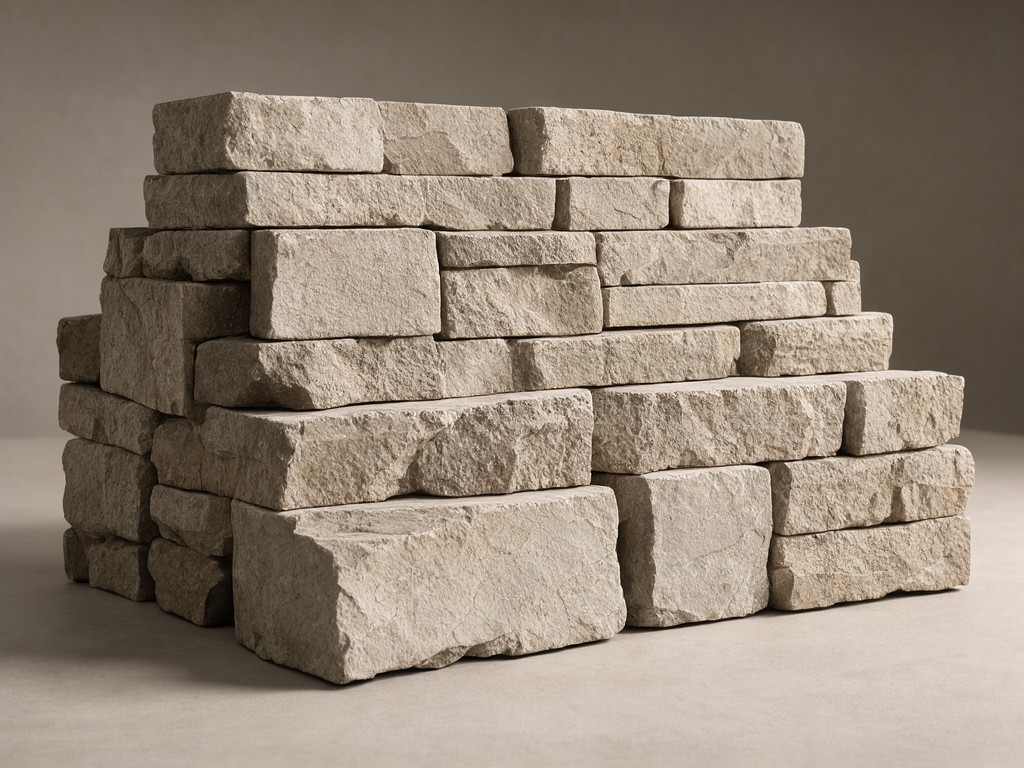
Machine-cut veneers often present a lower initial cost per square meter but lack the mass required for gravity-wall stability. In natural split applications, the irregular surface allows the stones to nest more tightly, reducing the reliance on chemical adhesives or heavy mortars. Low-cost suppliers often utilize highly porous stones that absorb water; this leads to frost-cycle delamination and spalling in winter climates, a common failure mode in low-grade decorative stone.
Natural Split Method
- High surface friction for better interlocking.
- Authentic texture resists UV fading.
- Structural integrity due to natural grain.
- Higher mass for thermal stability.
Machine Cut Veneer
- Uniform thickness for rapid installation.
- Prone to edge chipping during transit.
- Lower structural mass limits height use.
- Requires reinforcement-only backing.
Design Constraints Behind Specification
The primary constraint in loose stone production is the sorting consistency. A batch with a high standard deviation in size increases labor costs on-site as masons must manually select stones to fit gaps. We categorize shipments by length-range to ensure that 80% of the order falls within the specified tolerance, minimizing the arrival of oversized or unusable pieces that stall the project timeline.
Specification Range and Customisation
Customization focuses on the face finish and the color profile. While the split-face is the standard, we can provide honed or rough-hewn finishes for specific architectural requirements. The color palette is determined by the quarry source; however, we offer batch-sorting to ensure "tone-matched" or "mixed" orders to maintain visual uniformity across large-scale commercial developments.
Requirements by Segment
Wholesale distributors prioritize palletization density and edge protection to minimize shipping breakage rates. In contrast, architectural firms focus on the water absorption rate of the stone to ensure it does not stain surrounding surfaces through "bleeding" during heavy rainfall. Our testing lab provides the moisture absorption data for each stone type to facilitate these technical approvals.
Keeping Repeat Orders
Consistency in mineral composition is the main driver for long-term partnerships. Large-scale projects often require multiple phases of stone over several months. By maintaining specific quarry block access, we ensure that the second phase of a project matches the aesthetic and structural properties of the initial production run.