Specifying China Veneer top Manufacturer for Wholesale and OEM Orders
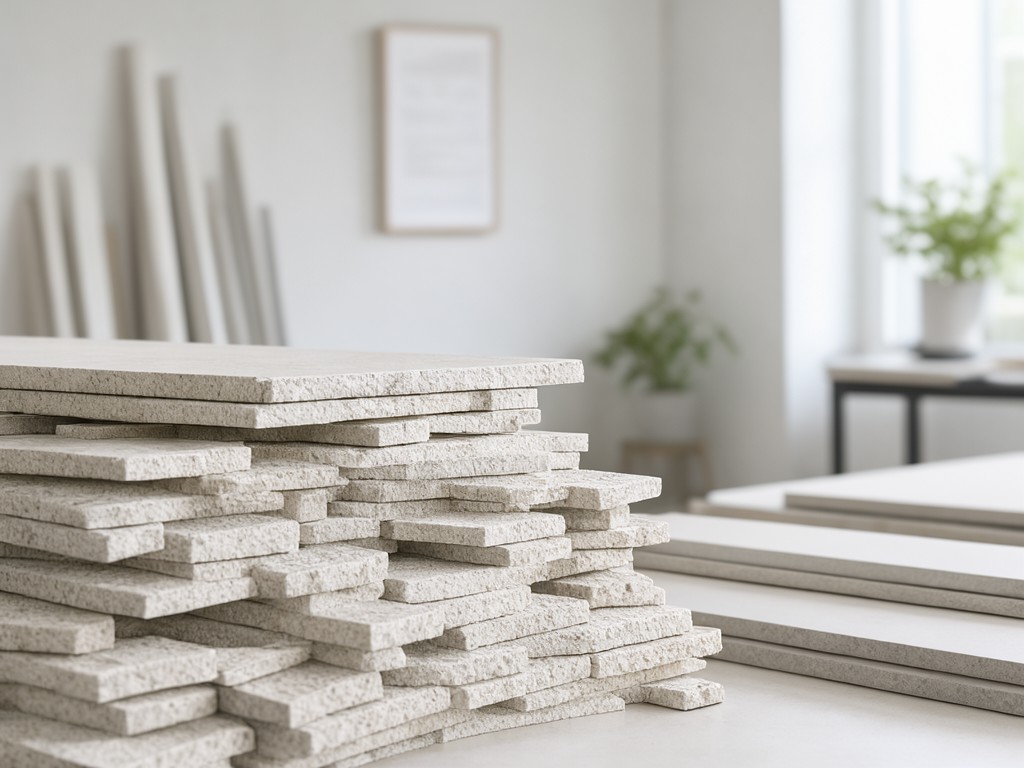
Consistency in stone veneers depends on the bond strength between the natural limestone substrate and the carrier material. When sourcing for high-traffic environments, the primary failure mode is delamination caused by thermal expansion mismatch or moisture ingress at the edges. Procurement teams must balance the thickness of the stone slice against the flexibility requirements of the backing to prevent cracking during installation or under mechanical stress.
Design Constraints Behind the Specification
The porosity of the limestone dictates its resistance to chemical agents and environmental staining. High-porosity varieties require vacuum-impregnation sealing during the manufacturing phase to ensure the surface remains inert after repeated liquid exposure. Without this treatment, the natural stone absorbs oils and pigments, leading to permanent discoloration that affects batch uniformity and increases rejection rates in hospitality projects.
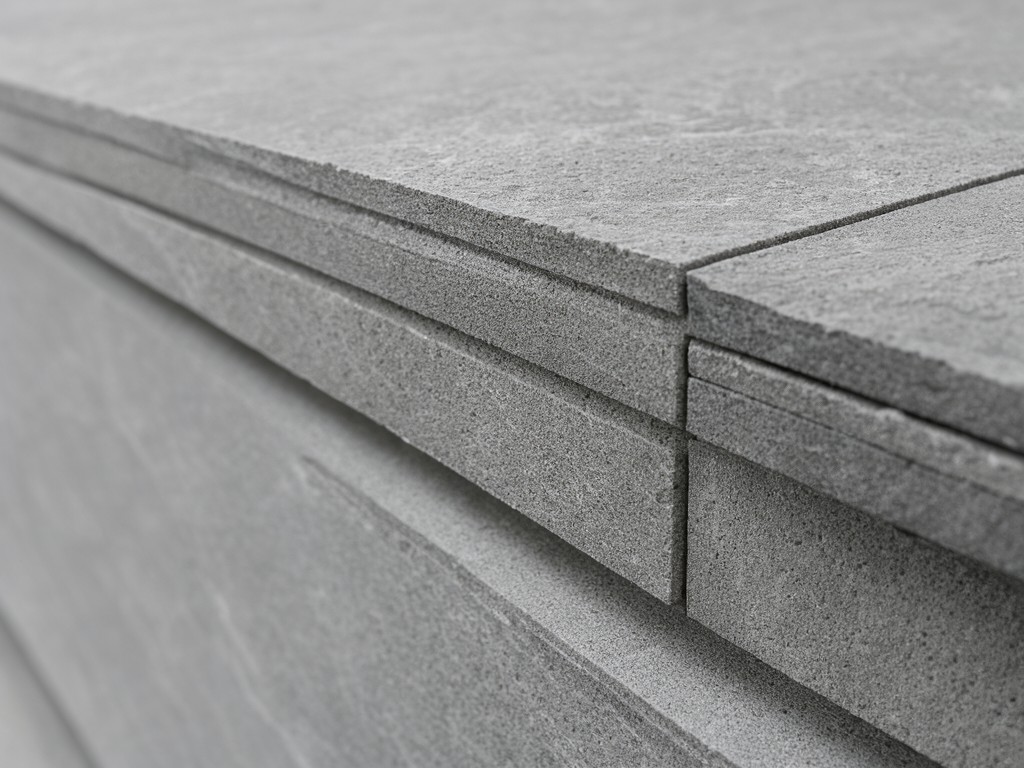
Surface texture variance is another critical metric for bulk buyers. A honed finish provides a uniform slip coefficient compared to a split-face finish, which may impact safety compliance in floor-wall transitions. We categorize batches by surface roughness (RA values) to ensure visual and tactile consistency across large-scale architectural installations.
Material Options and Their Trade-offs
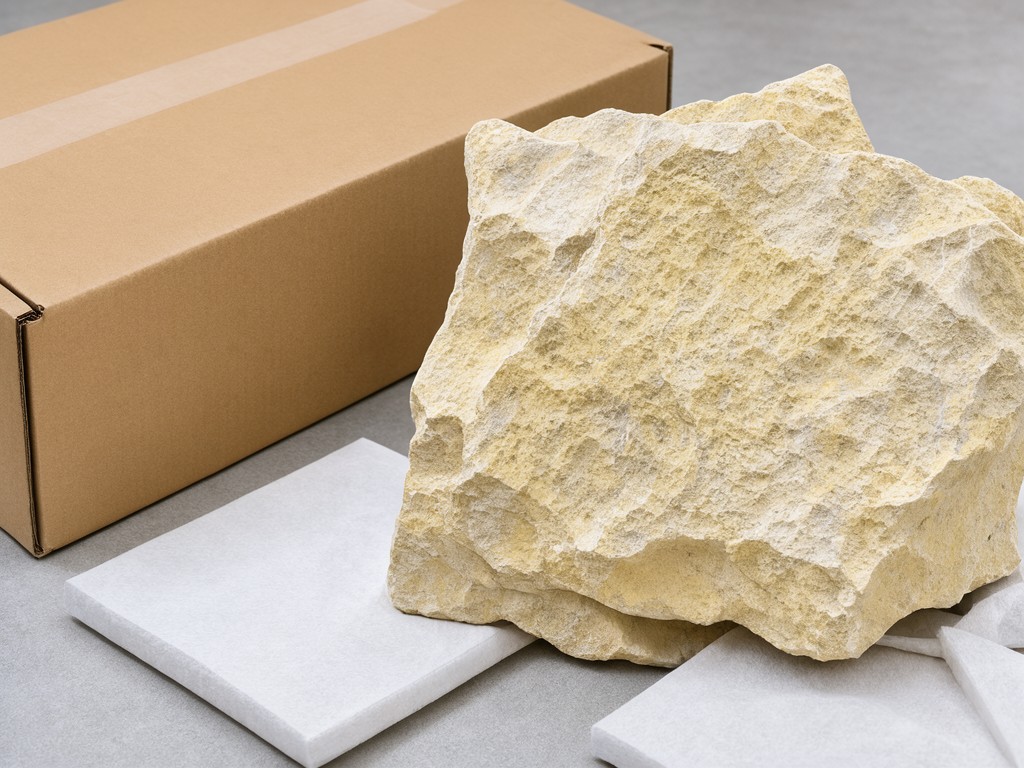
Choosing between natural-cut slices and engineered composites involves a trade-off between aesthetic authenticity and structural predictability. Natural slices retain the unique veining of the quarry but are prone to inherent-edge chipping during transit. Conversely, engineered limestone backings provide a consistent thickness and higher impact resistance, though they lack the geological depth found in the raw material.
| Parameter | Natural Slice | Engineered Backing |
|---|---|---|
| Thickness Range | 1.2mm - 3.0mm | 2.0mm - 5.0mm |
| Flexibility | High | Low |
| Impact Resistance | Variable | Standardized High |
Measured Performance in Real Use
Surface stability is measured through abrasion resistance testing to ensure the veneer does not wear down under foot traffic in commercial settings. The material must maintain its dimensional integrity after 50 hours of accelerated wet-dry cycles to verify the adhesion of the stone-to-mesh interface. If the resin bond fails under thermal stress, the veneer sheets will buckle, leading to costly on-site repairs.
- UV resistance is verified via color fastness testing to prevent fading on facades.
- Water absorption rates are kept below 3% for frost-resistant limestone variants.
- Tensile strength of the fiber-mesh determines the load capacity during transport.
Quality Control and Batch Consistency
Batch traceability starts at the quarry level to ensure color-matching across a single project purchase order. We utilize spectrophotometry to monitor the Delta E (color difference) between runs, keeping it within acceptable tolerances for architectural continuity. Every pallet undergoes a dimensional check to verify thickness within a ±0.2mm tolerance, ensuring flat surface application during installation.
Capacity, Tooling and Scheduling
Production lead times are dictated by the availability of raw limestone slabs and the curing time of the resin layers. Large-scale orders typically require a 4-6 week window to account for the precision cutting process and the necessary drying phases. Custom sizing requests via CNC-routing add to the timeline but reduce material waste at the project site.