China Culture Stone Manufacturer: What Buyers Check Before Ordering
Procurement of natural stone veneers often hinges on the density variance and water absorption rates across different geological layers. When sourcing in bulk, the primary failure mode is not the aesthetic variation but the structural porosity which leads to spalling during freeze-thaw cycles. A manufacturer must demonstrate consistent control over the stone thickness to ensure that the thin veneer does not delaminate from the cementitious backing under rapid moisture exposure.
What This Product Is and Where It Fits
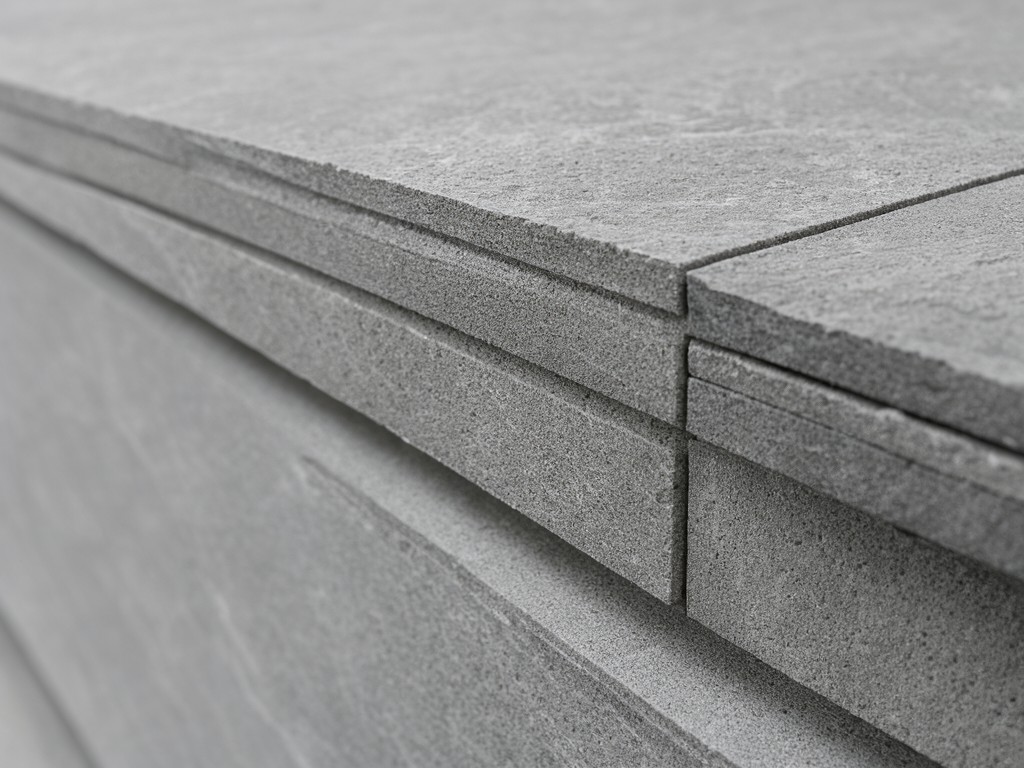
The manufacturing process involves precision-slicing natural limestone blocks into thin sheets, followed by a mechanical bond to a fiberglass mesh reinforcement. This construction reduces the dead load on structural facades compared to full-thickness stone while maintaining natural texture. Buyers typically evaluate the trade-off between the thinner profile (usually 3mm to 5mm) and the resistance to impact damage during transit and on-site handling.
Surface Variability
The honed finish provides a matte surface suitable for interior commercial walls, while the split-face option offers a rugged, irregular profile for exterior architectural accents where shadow depth is prioritized.
Backing Options
Reinforced mesh backings allow for faster adhesive installation, whereas unbacked slabs are preferred for traditional thin-set methods on prepared substrate.
Option Comparison by Usage
Selecting the correct grade depends on the environmental exposure and the mechanical stress the surface faces. High-traffic areas require a higher Mohs scale rating to resist abrasion over time, whereas decorative interior paneling can utilize softer limestone varieties with more pronounced veining.
| Specification | Interior Grade (Honed/Polished) | Exterior Architectural Grade |
|---|---|---|
| Water Absorption | lt 5% | lt 3% |
| Thickness Range | 3mm - 8mm | 5mm - 12mm |
| UV Resistance | High (Natural) | High (Natural) |
What Can Be Custom and What Cannot
Customization is primarily limited to dimensional tolerances and the application of protective sealants to prevent initial staining from organic matter. However, the natural grain and color density are determined by the quarry source, meaning 100% pattern matching across large batches is physically impossible.
- Custom CNC-cut dimensions available for specific architectural layouts.
- Edge treatments (beveled or chamfered) applied at factory level for seamless corners.
- Batch-specific color-tone matching via quarry block-selection-protocols.
- Chemical dyeing is not recommended as it compromises natural mineral integrity.
Stock Availability and Reorder Planning
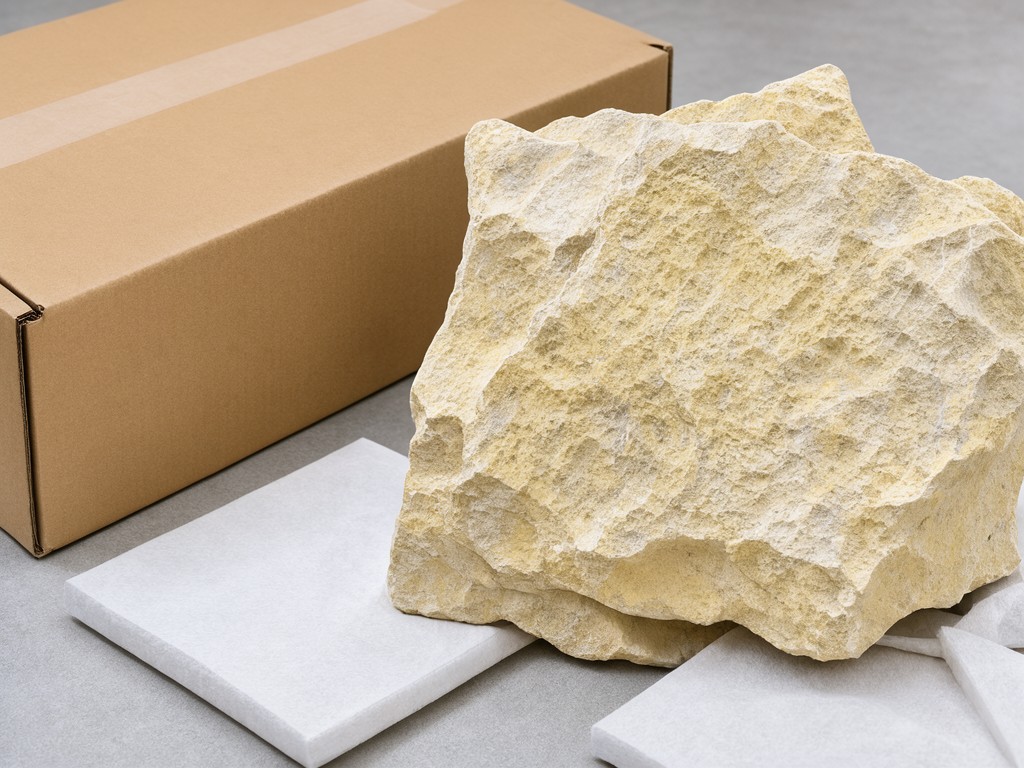
Logistics for stone products are dictated by weight and pallet stability. Large-scale orders require reinforced wooden crates to prevent edge chipping of the limestone sheets during sea freight. Buyers should account for lead times that fluctuate based on the availability of specific quarry veins, as seasonal shifts in mining can impact raw material supply.
Ordering, Tooling and Questions
What is the thickness tolerance across a batch?
Standard production maintains a +/- 0.5mm tolerance for sliced sheets to ensure a flat plane during installation on large surfaces.
Does the stone come pre-sealed?
While we can ship unsealed to prevent moisture trapping, a penetrating sealer is recommended post-installation to mitigate mineral staining during the construction phase.
What is the load capacity of the reinforced mesh version?
The fiberglass mesh is designed for tensile strength during handling, not for load-bearing structural applications; the substrate must support the dead load.