Bulk Natural Stone Wall Cladding Supplier: Specification, Ordering and Notes
Total cost of ownership shifts once returns are counted, particularly in commercial developments where dimensional inconsistency dictates site-wide waste. When procuring for large-scale architectural applications, the primary failure point is rarely the stone itself, but the variance in back thickness and surface flatness across a batch. If the thickness fluctuates by more than 3mm across a run, the mechanical fastening requirements increase exponentially, leading to labor-intensive installation and potential structural instability in the facade.
Technical Constraint: For mechanical-fix systems, we maintain a maximum thickness tolerance of ±1.5mm. Deviations beyond this range require uneven load distribution across the anchors to prevent stress-induced cracking during thermal expansion.
Material Options and Their Trade-offs
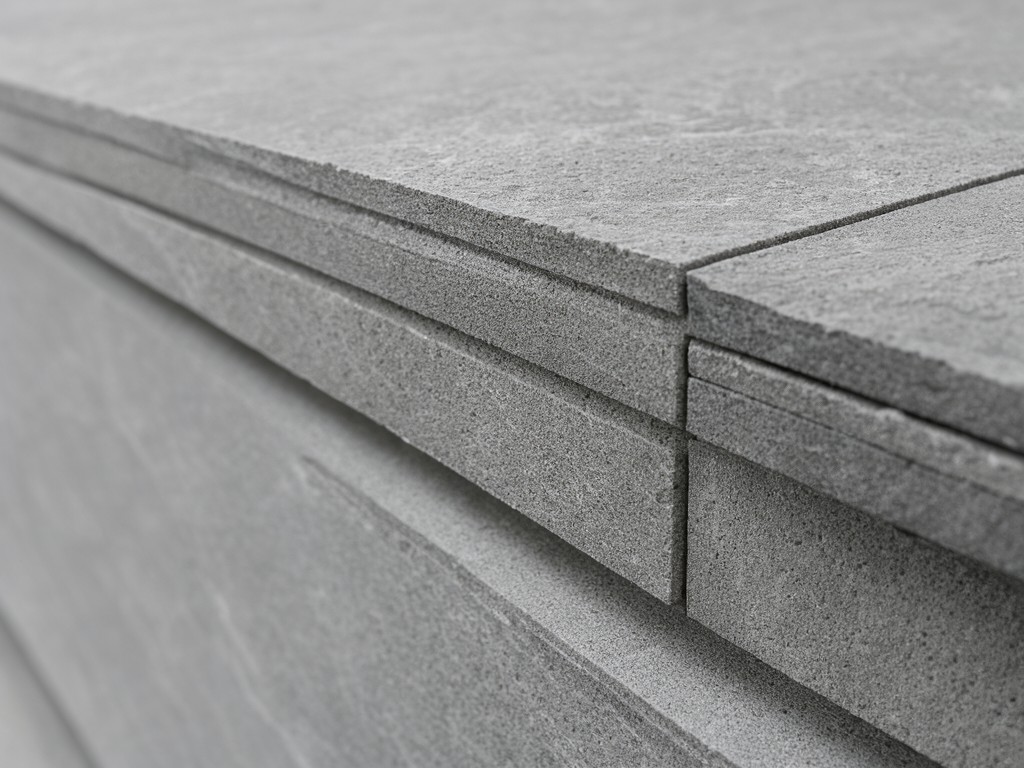
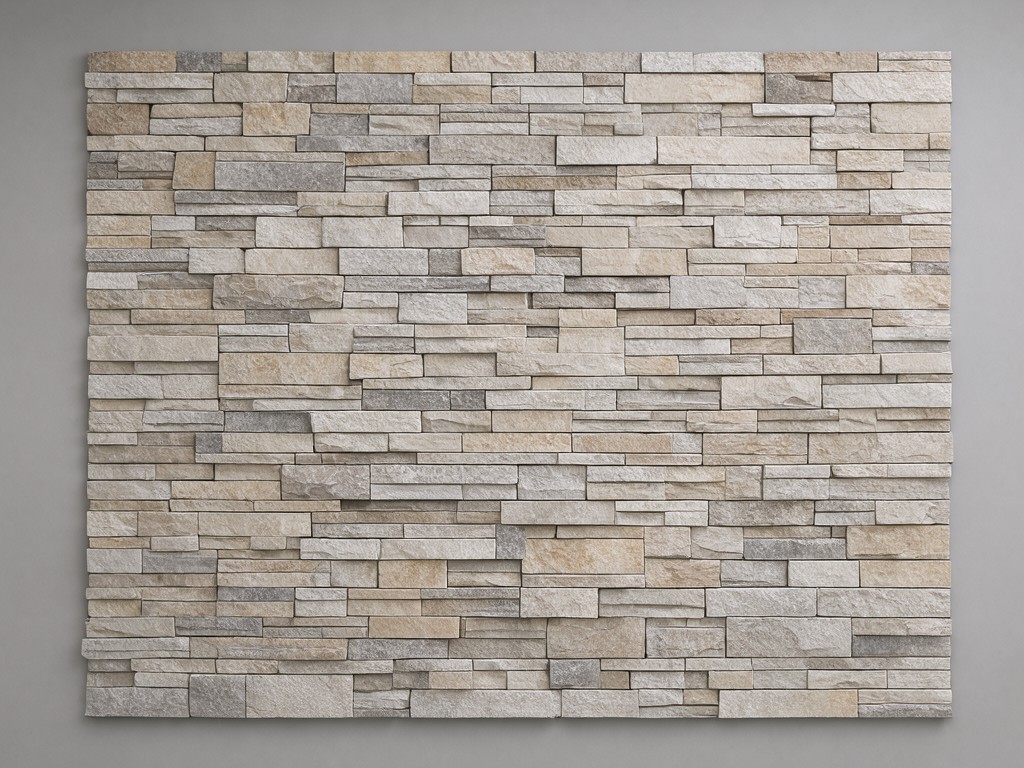
Selecting between split-face and honed-surface finishes involves a trade-off between aesthetic depth and installation speed. Split-face cladding retains the natural geological fracture but presents higher surface porosity, which increases moisture absorption rates in high-humidity environments. In contrast, honed honed or tumbled surfaces provide a calibrated flat plane that simplifies jointing work, though the mechanical grinding process reduces the raw material yield, slightly increasing the unit cost per square meter.
Natural Split-Face
- High texture for shadow-play.
- Higher absorption rate requires sealing in exposed zones.
- Ideal for rustic-aesthetic commercial facades.
Honed / Precision
- Dimensional stability for precision-jointing.
- Low porosity for easier maintenance.
- Suited for modern minimalist architectural cladding.
Construction Method and Its Effect on Consistency
The method of extraction directly impacts the structural integrity of the cladding slabs. Wire-saw cutting technology minimizes micro-fissures within the stone matrix compared to manual splitting, which is critical for preventing later-delamination along the bedding line. We utilize multi-wire saw arrays for bulk orders to ensure that the internal density of the stone remains uniform, reducing the risk of spalling during the transport phase or the on-site cutting phase.
| Parameter | Standard Range | Tolerance Grade |
|---|---|---|
| Slab Thickness | 15mm - 50mm | ±1.5mm |
| Compressive Strength | 80MPa - 150MPa | Batch-specific |
| Water Absorption | < 0.8% | Varies by density |
Where This Beats Standard Alternatives
Standard wholesale distributors often aggregate stone from disparate quarry faces, leading to visible color shifts within a single project site. Our procurement process integrates batch-traceability, ensuring that the geological hue and mineralogical composition remain consistent across a 5,000-square-meter order. This prevents the "patchwork" effect common in large-scale cladding projects where different shipments meet on-site.
Who Uses It and Where It Matters
Architecture firms and infrastructure developers specify this cladding for high-traffic environments where longevity is non-negotiable. In these scenarios, the stone must withstand rapid freeze-thaw cycles without surface scaling or chemical degradation from atmospheric pollutants. Procurement officers for public works projects prioritize the weight-to-strength ratio to ensure the cladding does not exceed the dead load limits of the building's structural frame.
Working as a Production Partner, Not a Supplier
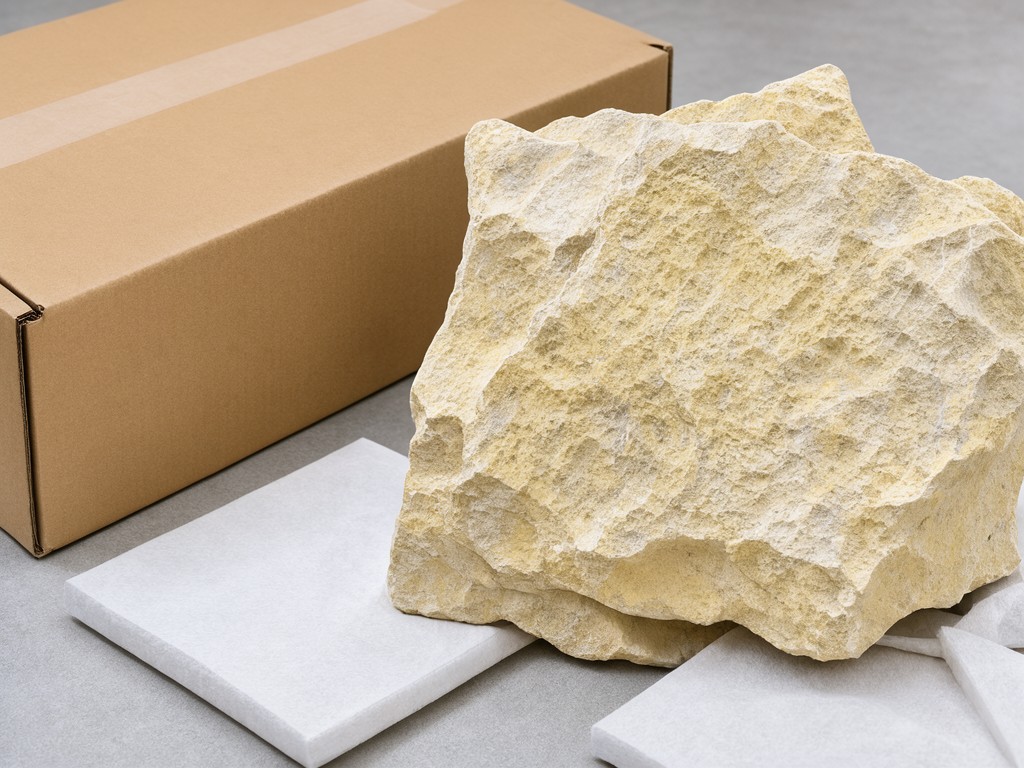
Logistics for bulk natural stone require specialized packaging to prevent edge chipping during transit. We provide custom palletized crates with internal bracing designed specifically for the weight distribution of the stone type. This reduces the breakage rate upon arrival, which eliminates the need for significant over-order safety margins and keeps the project schedule on track.
Inspection Items and Test Methods
Quality control begins at the quarry level to detect internal fractures using ultrasonic testing before cutting begins. Each batch undergoes a dimensional check to verify that the thickness profile matches the approved architectural drawings. We also perform water absorption tests and abrasion resistance checks to ensure the material meets the specific environmental demands of the project's geographic location.