Bulk Natural Limestone Walling Stone Veneer Supplier: What Buyers Should Check Before Ordering
The structural density of natural limestone directly determines the rate of mineral degradation during freeze-thaw cycles. In large-scale projects, selecting stone with high porosity increases water absorption, leading to spalling if the surface is not sealed. Procurement must balance the aesthetic variance of split-face textures against the mechanical compressive strength required for load-bearing decorative applications.
Consistency in batch thickness is the primary metric for installation speed and material efficiency. Variations in face depth exceeding 5mm necessitate uneven mortar bedding, which increases labor hours and compromises the alignment. We prioritize extraction zones with uniform sedimentary planes to ensure that the veneer profile remains flat across multi-square-meter elevations without manual trimming.
Scope of Supply and Physical Form
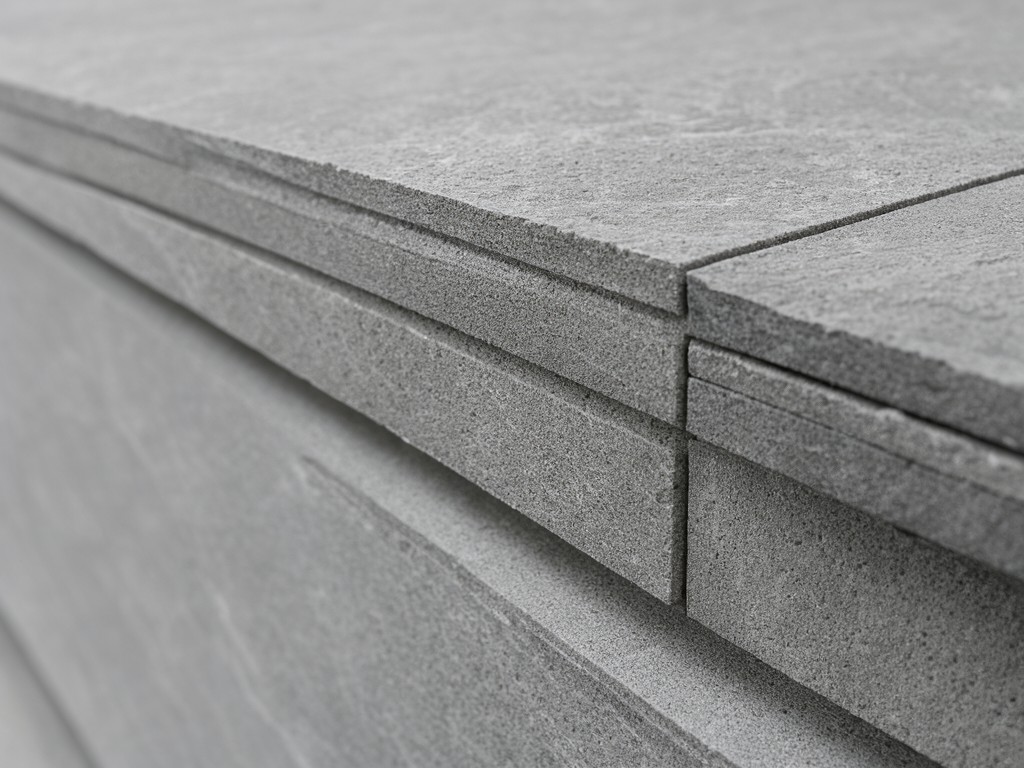
Inventory is categorized by the mechanical processing method, which dictates the final surface friction and light refraction properties. Raw-split edges provide a high-relief texture with natural cleft lines, while sawn-cut edges offer precise geometry for modern architectural paneling. The choice between these forms affects the adhesive bond area and the required volume of thin-setting mortar.
| Specification Attribute | Standard Range | Unit |
|---|---|---|
| Face Thickness | 15mm - 40mm | mm |
| Bulk Density | 2,300 - 2,700 | kg/m³ |
| Compressive Strength | 40 - 100 | MPa |
| Water Absorption | < 6% (Standard) | % |
What the Design Has to Balance
Chemical composition within the limestone matrix affects its resistance to acid rain and atmospheric pollutants. High-calcite varieties are softer and easier to carve but susceptible to surface etching in urban environments. We categorize material based on mineralogical hardness to ensure the veneer maintains its visual integrity over a 20-year exposure cycle.
Textured Split-Face Finish
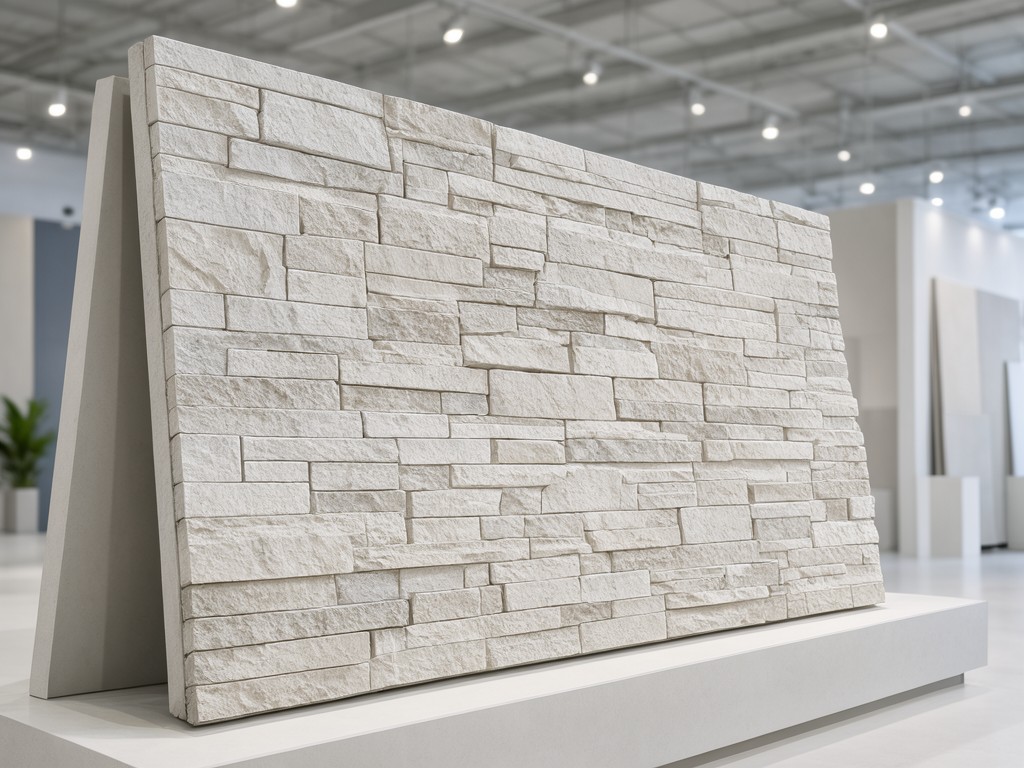
Hand-split tooling maximizes the natural fracture plane of the stone. Best for rustic aesthetics where shadow-line depth is prioritized. Requires higher mortar tolerance due to irregular thicknesses.
Precision-Sawn Finish
Mechanical grinding creates a perfectly flat plane for tight joints. Ideal for modern cladding and thin-set applications. Minimizes waste during installation.
Materials and Construction Trade-offs
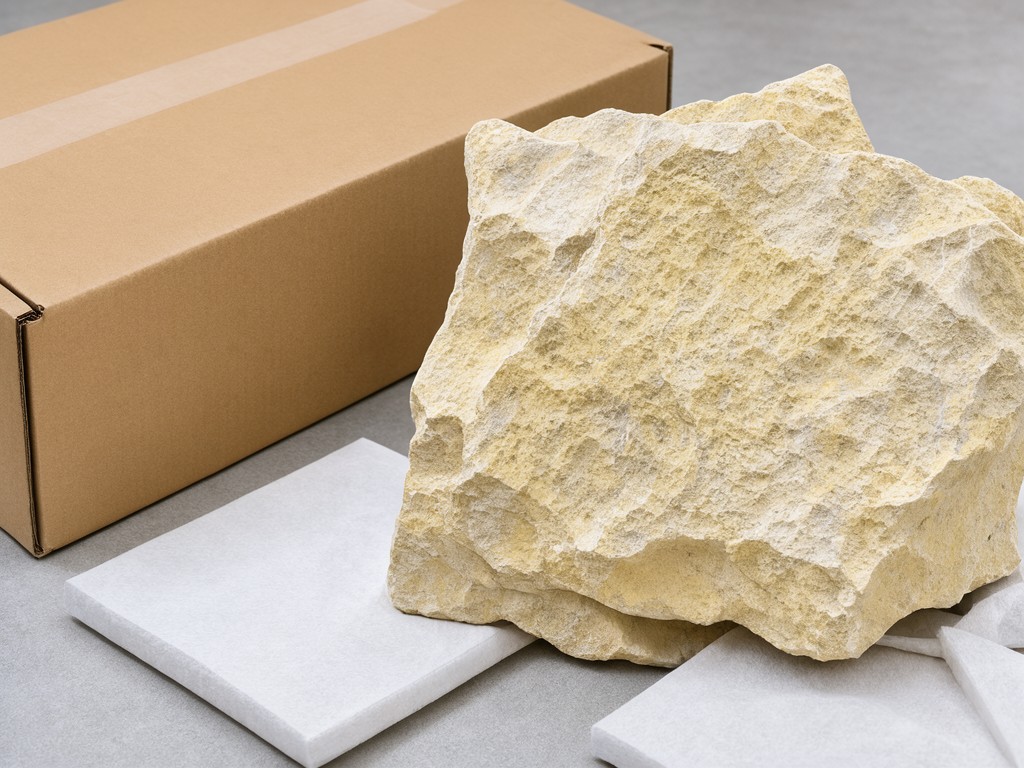
Logistics for bulk stone require specific palletization strategies to prevent breakage during transit. Limestone is brittle under point-loading; therefore, improper stacking leads to hairline fractures in the veneer face. We utilize heat-treated timber crates with internal bracing to distribute the weight of the stone evenly across the base surface area.
- Reinforced mesh backing reduces installation weight but increases unit material cost by approximately 12%.
- Color-sorted batches ensure visual uniformity but extend lead times due to manual optical inspection requirements.
- Vacuum-sealed packaging prevents moisture ingress but cannot alter the natural permeability of the stone.
Buying Mistakes That Lead to Returns
Failure to account for the thermal expansion coefficient between the stone and the substrate often results in bond failure. If the limestone is applied to a rigid metal frame without flexible joints, seasonal temperature shifts will shear the adhesive layer. We recommend a substrate-compatibility test prior to a full-scale project commitment.
Ignoring the dust content of certain limestone varieties can lead to staining on adjacent materials. Fine limestone particulate can migrate into porous grout lines if the stone is not properly cleaned immediately after installation. We provide pre-washed options for high-specification projects to mitigate this risk of contamination.
Inspection Items and Test Methods
Quality control protocol begins with a dimensional audit to ensure every piece falls within the +/- 2mm tolerance specified. We then perform ultrasonic testing on random samples to detect internal voids or fissures that are not visible on the surface.
Salt resistance testing is conducted via accelerated spray chambers to simulate coastal exposure conditions. This ensures that the limestone walling veneer will not delaminate when subjected to high-chloride environments over time.
Export Packaging and Handling
Bulk orders are consolidated onto moisture-resistant pallets and secured with industrial-grade polyethylene-wrap. Each pallet is marked with a traceability code detailing the quarry origin, batch date, and moisture content readings. This data allows for precise material matching across different phases of architectural construction.