B2B Culture Stone Company: Specification, Ordering and Quality Notes
The structural integrity of stone cladding depends on the density of the natural substrate and the precision of the split process. For large-scale architectural projects, the primary cost driver is not the raw material price, but the variance in thickness and surface absorption across different batches. If the thickness fluctuates by more than 2mm across a pallet, the adhesive consumption increases significantly, leading to higher labor costs and potential bond failure during thermal expansion.
Sourcing granite-based culture stone requires an understanding of how mineral composition reacts to environmental exposure. High-porosity sections are prone to spalling in freeze-thaw cycles if the sealant penetration is inconsistent. By controlling the grain orientation during the mechanical split, we ensure that each unit maintains a predictable compressive strength, which reduces the rate of breakage during transit and the installation phase.
Technical Note:
Standardized thickness tolerances are maintained at ±1.5mm to ensure flush-lay application, minimizing the need for on-site grinding and reducing overall project waste metrics.
What This Product Is and Where It Fits
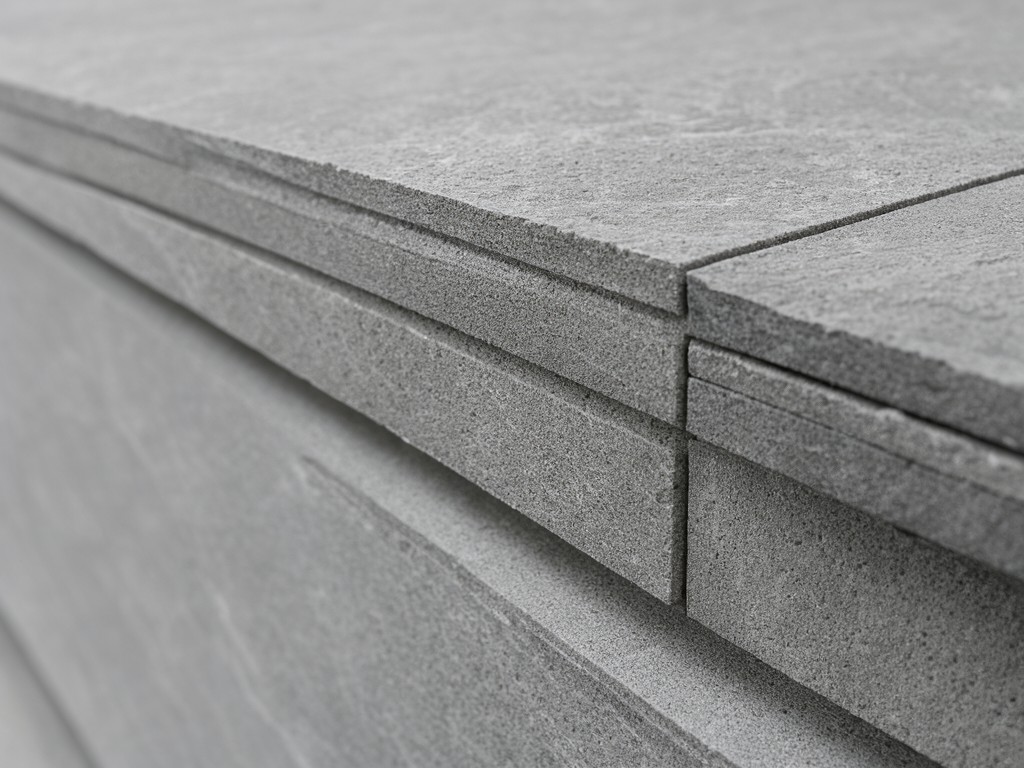
Culture stone consists of manufactured natural stone veneers designed to mimic the aesthetic of full-bedlar masonry. Unlike solid-cut blocks, these units are engineered with a thinned profile to reduce the dead load on existing structural frames. This makes them ideal for retrofitting older commercial facades or residential interior features where weight-to-aesthetic-ratio is the critical procurement constraint.
- Split-face textures for high-relief visual impact on exterior feature walls.
- Honed or brushed finishes for modern interior cladding requiring low-glare surfaces.
- Reinforced back-layers for rapid mechanical fastening in curtain-wall systems.
- UV-stable mineral pigments to prevent fading in high-exposure urban environments.
How It Performs in Use
Performance in the field is measured by resistance to moisture ingress and mechanical abrasion. In high-traffic commercial zones, the surface hardness of the granite composite determines the longevity of the finish against impact damage. We monitor the water absorption rate to ensure that the material remains chemically bonded to the substrate, preventing the delamination often seen in lower-grade synthetic stone alternatives.
| Parameter | Specification Range |
|---|---|
| Material Density | 2,400 - 2,700 kg/m³ |
| Compressive Strength | ≥ 80 MPa |
| Water Absorption Rate | lt 0.5% |
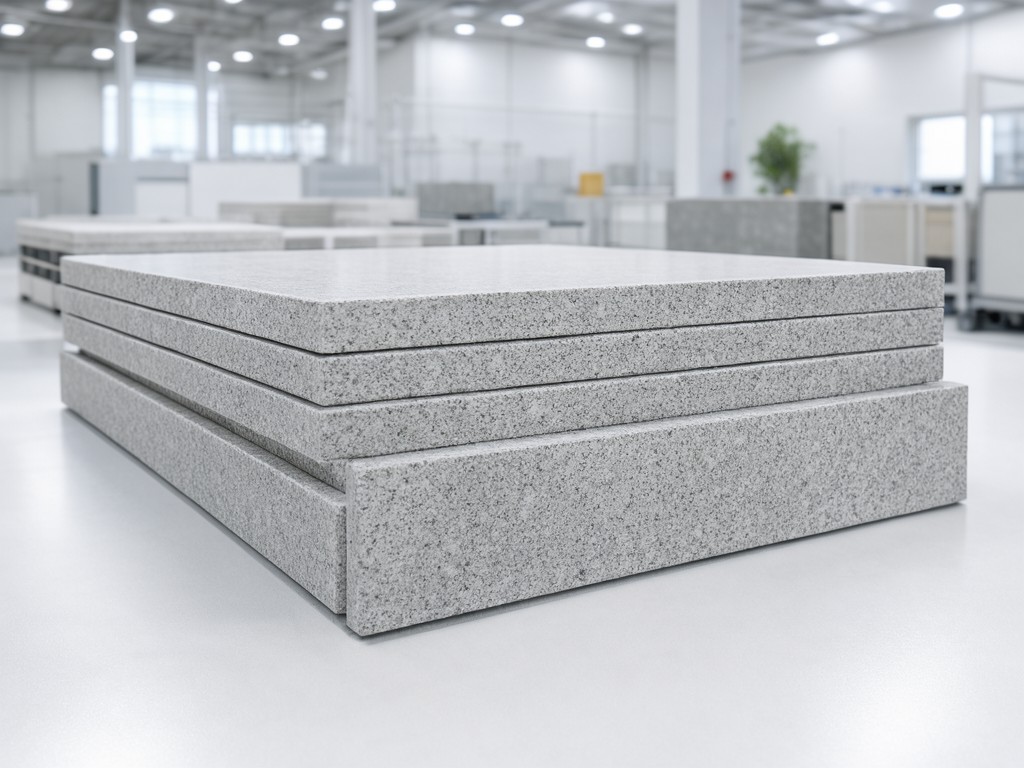
| Thickness Variance | 15mm - 30mm nominal |
Buying Mistakes That Lead to Returns
Procurement officers often fail to account for the color variance between different quarry runs. Natural stone is inherently inconsistent; without a strict batch-approval process, a project may experience visible tonal shifts across a single facade. Additionally, ignoring the weight per-square-meter can lead to structural overloads on the supporting frame, requiring expensive reinforcements after the material has arrived.
Customisation Options and Limits
Surface Treatment
We offer custom split-depths from rugged-split to honed finishes. However, deep-relief textures significantly reduce the structural thickness of the veneer, increasing the risk of chipping during mechanical handling.
Edge Profiling
Interlocking systems can be manufactured to reduce installation time. Note that complex interlocking geometries increase the MOQ production lead time by 3-4 weeks compared to standard straight-edge units.
Requirements by Segment
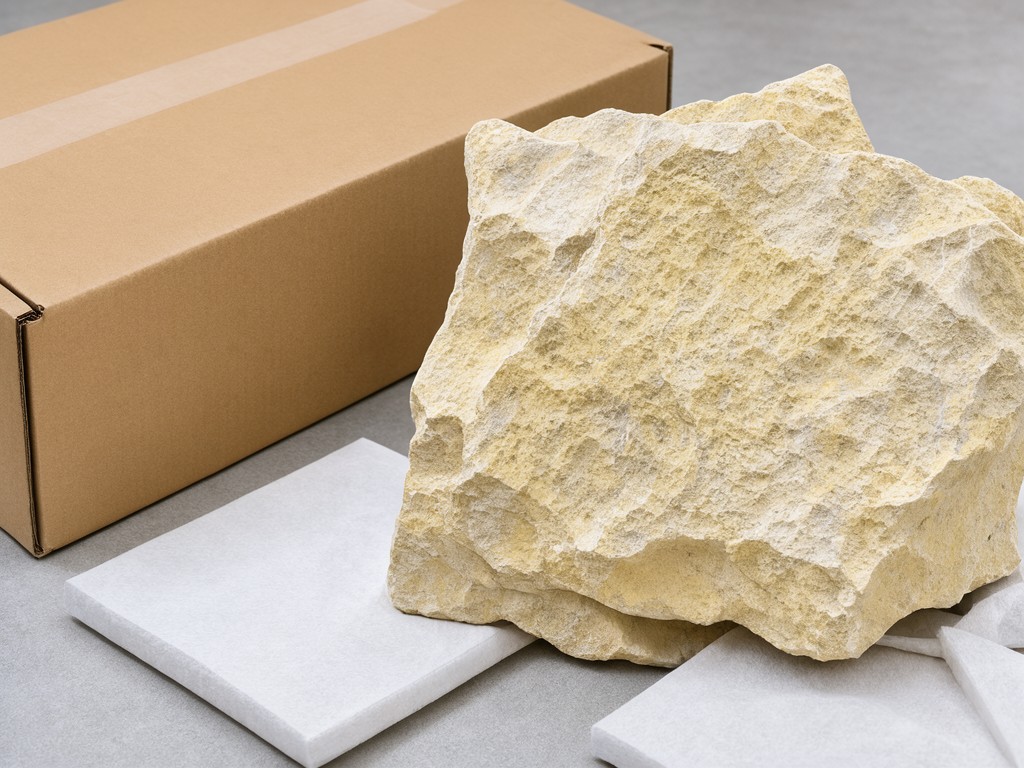
Distributors require pallet-optimized packaging to minimize breakage during long-haul ocean freight. In contrast, architectural developers focus on fire-rating certifications and thermal performance data for building code compliance. We align our documentation and QC protocols to meet the specific regulatory hurdles of the target import market.
Working as Production Partner, Not Catalogue Supplier
A reliable supply chain relies on transparency regarding the raw material source and the manufacturing capacity. By providing batch traceability for every shipment, we ensure that the mineral composition of the culture stone matches the initial approved sample. This prevents the common pitfall of mid-project material substitutions that halt large construction developments.
Request technical data sheets or material samples for your current project.
Contact Our Engineering Team for Bulk Specifications