Wholesale Tumbled Limestone Strip Brick Pavers Exporter - Bulk Specification Guide
Consistency in limestone strip brick pavers depends on the density of the specific quarry and the precision of the mechanical tumbling cycle. Unlike manufactured concrete pavers, natural stone carries inherent variations in mineral composition that affect the final colour uniformity across a large batch. For wholesale-scale projects, the primary trade-off is between the aesthetic appeal of a heavily weathered finish and the structural integrity of the edges. Over-tumbling can lead to edge cracking during installation, which increases the failure rate in high-traffic pedestrian zones.
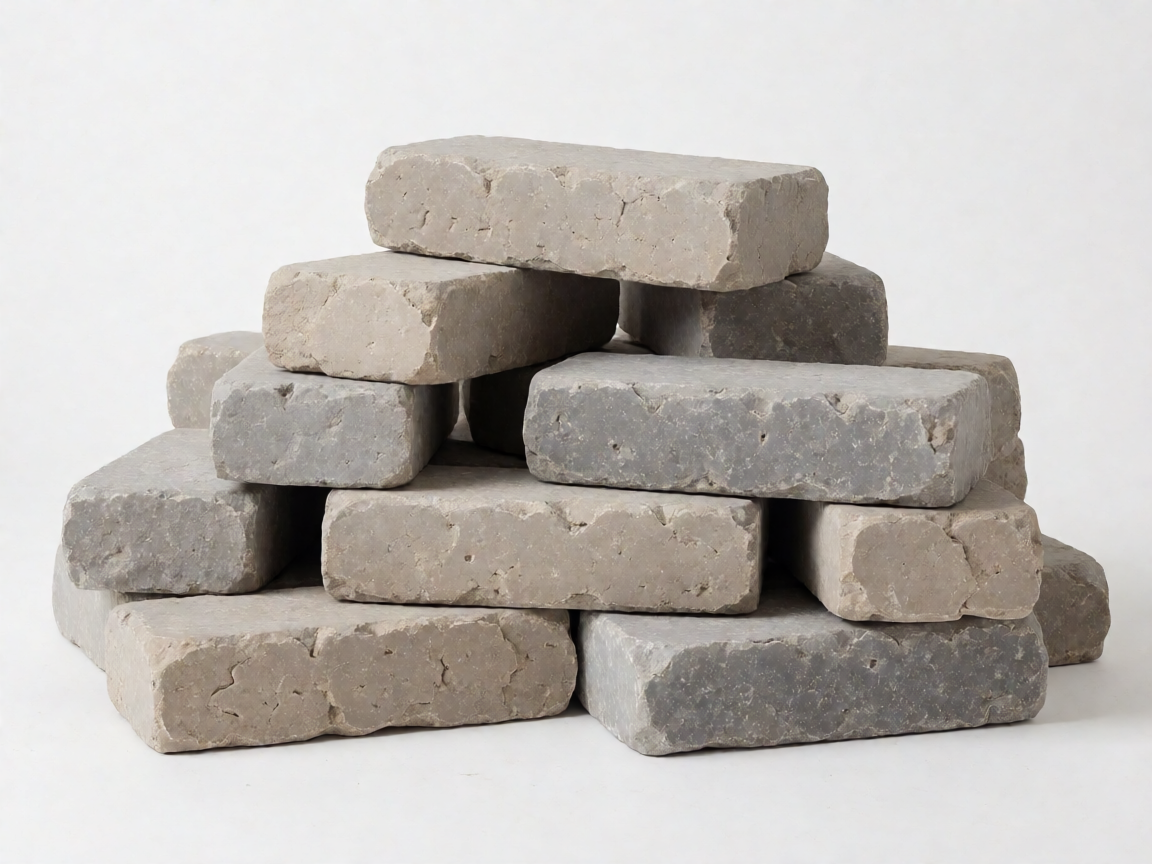
The tumbling process serves to blunt the sharp edges of machine-cut stone, creating an aged appearance that hides minor installation chips. However, an aggressive tumble reduces the effective cross-sectional area of the strip, potentially impacting the load-bearing capacity if used in applications with tight joints. Buyers should specify the minimum thickness required to achieve the desired aesthetic without compromising stability.
| Parameter | Standard Range | Tolerance Limit |
|---|---|---|
| Strip Width | 50mm - 150mm | ± 3mm |
| Strip Length | 100mm - 400mm | ± 5mm |
| Thickness | 20mm - 50mm | ± 2mm |
| Water Absorption | lt; 8% | Batch-dependent |
Buying Mistakes That Lead to Returns
The most common point of failure in bulk limestone procurement is the failure to account for batch-specific variance. Because limestone is a sedimentary rock, two blocks cut from the same vein can exhibit significantly different hues under natural light. If a project relies on multiple shipments without a pre-agreed blending strategy, the visible transition between batches often fails site quality-control inspections, leading to the rejection of the entire consignment.
Another critical oversight is the relationship between the tumbling intensity and the stone hardness. If the stone grade is too soft, the tumbling process can create micro-fractures that manifest as spalling during freeze-thaw cycles. Conversely, if the stone is not tumbled sufficiently, the sharp edges remain a safety hazard in pedestrian areas and are prone to chipping during transport. We test the compressive strength of each batch to ensure the tumbling intensity matches the material density.
Customisation Options and Their Limits
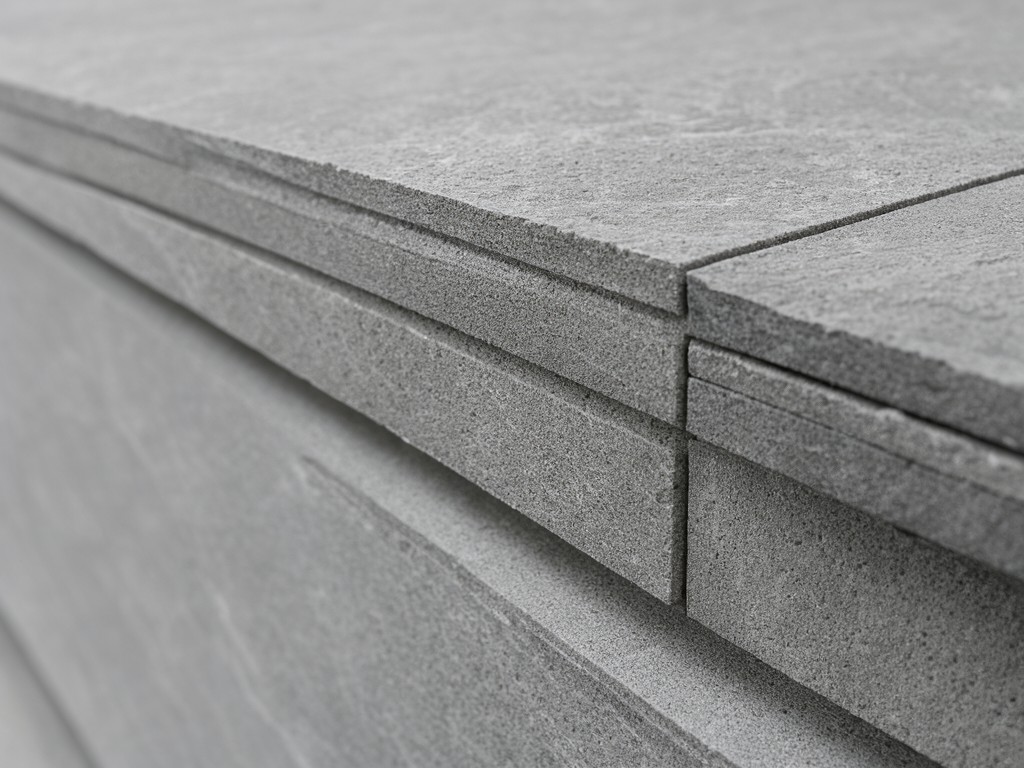
Customisation focuses primarily on the surface finish and the dimensional-cut profile. We offer various levels of tumbling, from a light brush for contemporary looks to deep-weathering for rustic aesthetics. It is important to note that deeper tumbling significantly alters the final surface dimensions, which can affect the yield per square meter compared to straight-faced or lightly tumbled alternatives.
- Surface finishes: Available in honed, split-face, or sawn textures.
- Edge profiles: Straight, chamfered, or fully rounded for specific patterns.
- Color palettes: Natural cream, grey, ochre, or multi-tone blends.
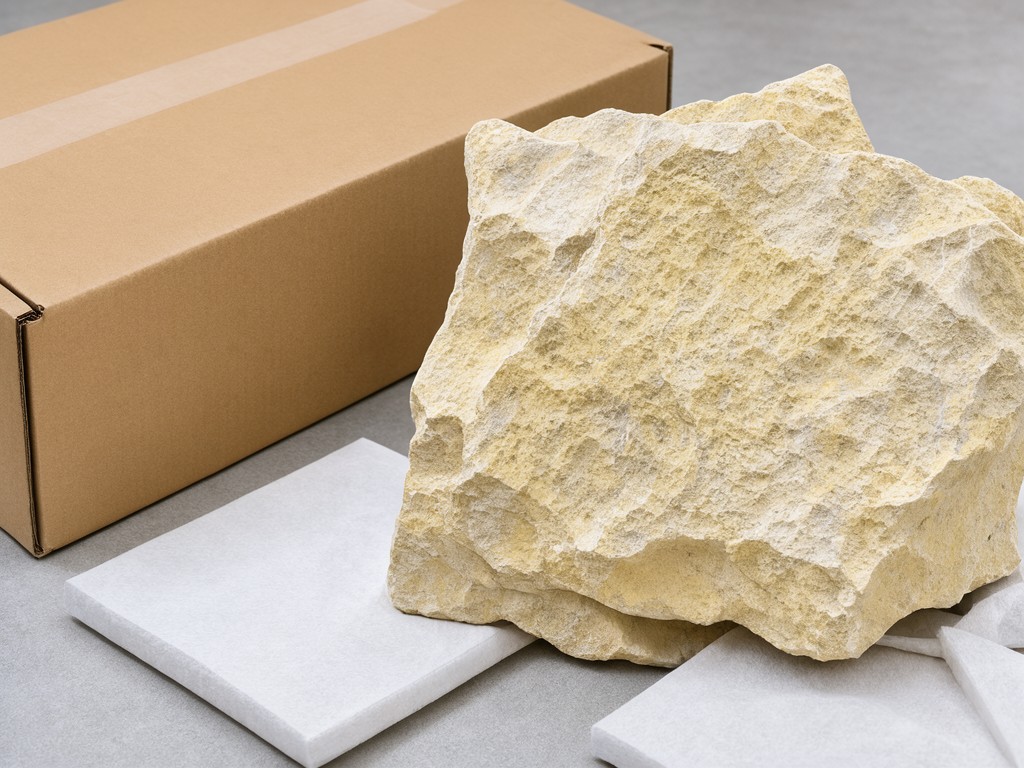
- Packaging: Bulk palletized or custom heat-wrapped bundles for retail distribution.
Who Uses It and Where It Matters
Large-scale commercial developments utilize these strip pavers for high-end pedestrian plazas where material longevity is a design priority. The natural thermal properties of limestone make it suitable for outdoor seating areas where heat retention is a factor. In residential landscape projects, the focus shifts to the visual integration with natural environments, where the tumbled texture provides a seamless transition from masonry to garden.
Distributors often source these materials specifically for their versatility in various architectural styles. Because the strip format allows for complex patterns like herringbone or modified running bond, the demand remains high among landscape architects, provided the color-tone ratio remains within the project's specifications.
Working as a Partner, Not a Supplier
Our export process focuses on aligning material characteristics with site-specific requirements. By providing detailed batch reports and sample approvals prior to shipment, we mitigate the risk of on-site mismatches. We manage the logistical complexities of heavy-stone transport, ensuring that the delicate tumbled edges are protected during long-haul transit through reinforced packaging protocols.