custom 3x6 tumbled subway tile manufacturer - Bulk Supply and Specification Guide
During a private-label launch with a fixed ship date, the primary risk for procurement officers is variance in dimensional consistency across batches. When sourcing natural stone like travertine, the inherent porosity and density of the material can lead to inconsistent absorption rates and uneven grout lines during the installation phase. If the tumbling process is not calibrated to specific tolerances, the nominal 3x6 dimensions may drift, resulting in a cumulative offset that ruins the alignment of large-scale commercial wall installations.
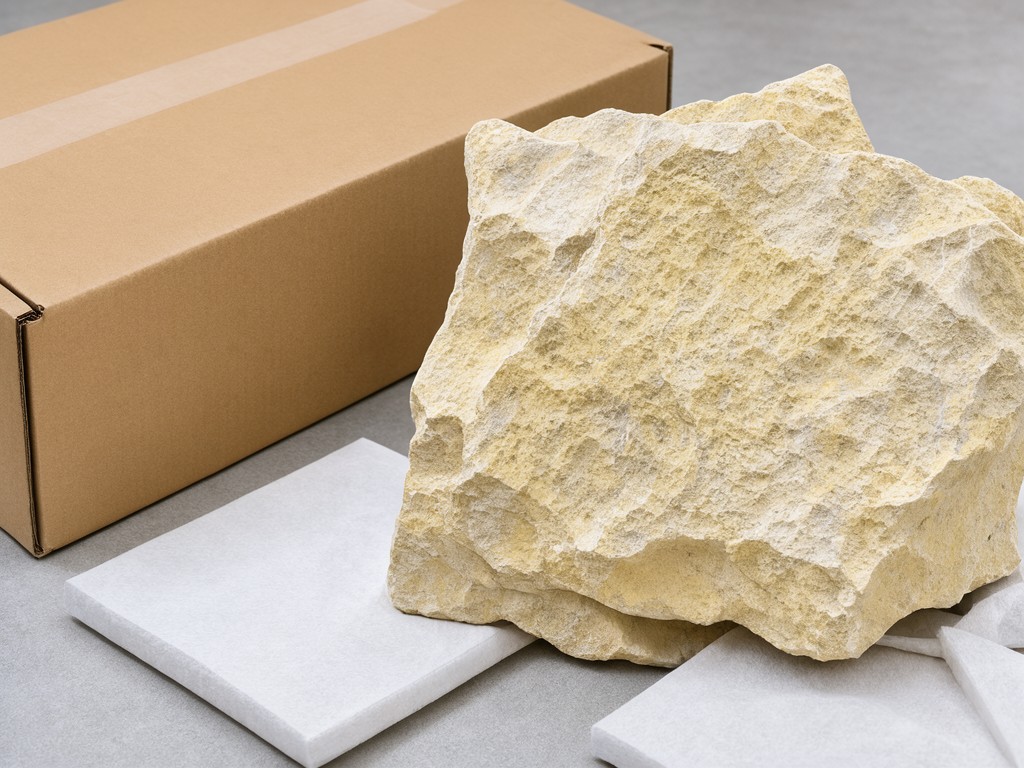
Reliable supply depends on the stabilization of the raw material and the mechanical precision of the tumbling drums. A tumbled finish is intended to soften the edges and provide a weathered aesthetic, but it cannot compromise the structural integrity of the tile's corners. We focus on maintaining a strict thickness-to-width ratio to ensure that every unit delivered in a container-load shipment meets the specified load-bearing and aesthetic requirements of the architectural project.
Critical Specification Note: Travertine is a calcareous sedimentary rock. For high-moisture environments, we recommend a pre-impregnated sealer or a specific absorption rate to prevent deep penetration staining and efflorescence post-installation.
What Actually Determines Performance
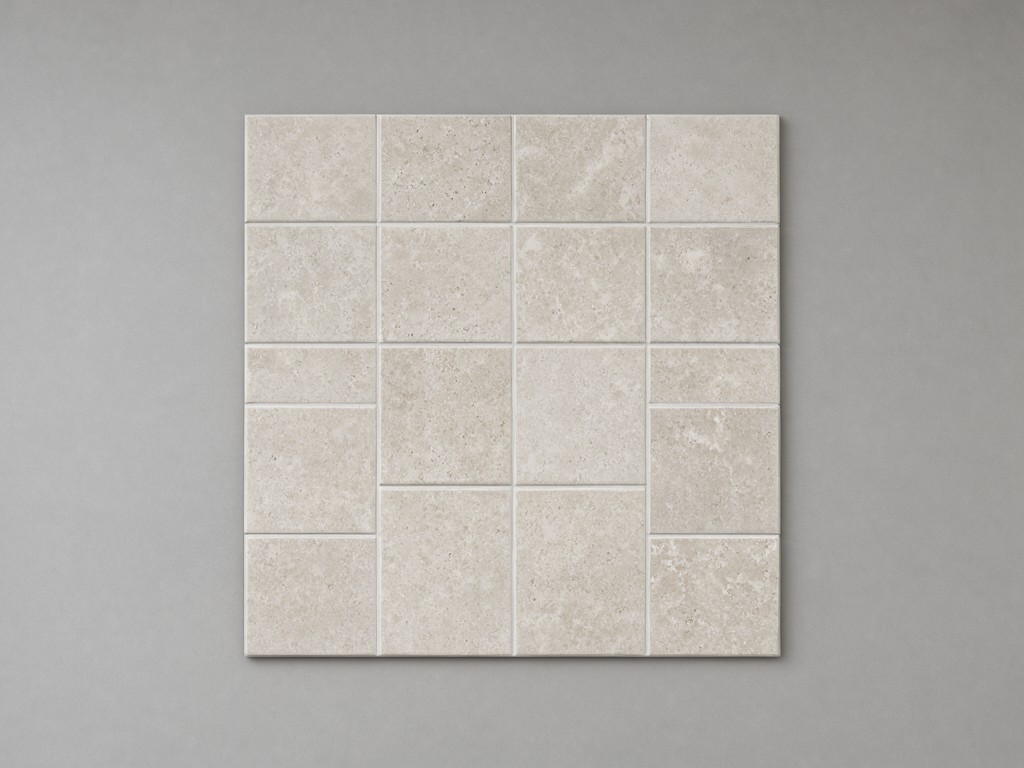
Performance in a 3x6 travertine tile is dictated by the density of the stone block and the precision of the tumbling cycle. Higher-density blocks resist chipping during the mechanical process better than softer, porous variants. We monitor the tumbling media to ensure the friction removes the sharp factory edges without thinning the tile face beyond the structural limit. If the tumbling duration is too aggressive, the tile loses its planar rigidity, leading to increased failure rates during transit or manual handling in high-traffic commercial zones.
| Parameter | Standard Range | Tolerance |
|---|---|---|
| Nominal Size | 75mm x 150mm | ±1.5mm |
| Thickness | 8mm - 12mm | ±0.5mm |
| Water Absorption | < 8% | Batch-Dependent |
| Edge Finish | Tumbled/Beveled | Visual Consistency |
Measured Performance in Real Use
In commercial hospitality settings, the longevity of the subway tile is measured by its resistance to surface abrasion and chemical exposure. Because travertine contains natural voids (vugs), the surface is either left unfilled for a rustic look or filled with epoxy resin. Unfilled surfaces require more frequent maintenance to prevent debris accumulation. We test the bond strength between the stone and standard thin grout to ensure the tumbled edges do not delaminate under repeated industrial cleaning cycles.
Assumptions Buyers Should Stop Making
- Stop assuming every tile in a lot will be identical in color; natural stone variation is a characteristic of travertine, not a defect.
- Stop expecting the tumbled edge to be perfectly square; the process creates intentional irregularities that must be accounted for in the layout plan.
- Stop believing that "3x6" is a fixed measurement; natural stone-cut tiles always carry a variance based on the raw block size.
What Can Be Customised and What Cannot
Customizable Options
- Surface treatment (Hone, Polished, or Matte)
- Void filling (Clear or color-matched resin)
- Backing material (Mesh vs. loose lay)
- Custom thickness for specific floor load needs
Fixed Constraints
- Natural veining patterns and mineral distribution
- Structural density of the travertine travertine
- Base porosity levels of the stone vein
- Lead times for specific rare quarry extracts
Who Uses It and Where It Matters
Architectural firms and developers utilize 3x6 tumbled travertine for high-end residential backsplashes where texture is a priority. In these environments, the tile's ability to diffuse light enhances enhances the aesthetic. For large-scale retail projects, the focus shifts to the durability of the tumbled edge against foot-traffic and the ability of the stone to withstand cleaning agents without discoloration.
Inspection Items and Test Methods
To ensure batch consistency, we perform dimensional checks on every pallet to verify the 3x6 specification remains within the ±1.5mm tolerance. We also conduct water absorption tests to confirm the stone meets the density requirements for the specified environment. Visual inspection is performed to ensure that the tumbling process has not introduced micro-fractures that could lead to structural failure during the installation phase.
Volume Planning and Lead Time
Moving from sample orders to container loads requires a shift in procurement strategy. Raw material procurement must happen months in advance to ensure color matching across different production phases of a project. We provide detailed timelines based on quarry availability and the capacity of our tumbling and finishing lines.
| Order Volume | Standard Lead Time | MOQ |
|---|---|---|
| Sample Sets | 7-10 Days | 5-10 Tiles |
| Project Orders | 30-45 Days | 500 SQM |
| Full Container | 60-90 Days | 20ft Load |
Ordering, Tooling and Lead-Time Questions
Can you provide custom color matching for large reorders?
Yes, we source stone from the same quarry vein block to ensure mineralogical consistency across multiple production runs.
What is the breakage rate for tumbled travertine during transit?
With our reinforced crate packaging and palletized wrapping, we typically see a breakage rate of under 2% for containerized shipments.
Ready to discuss your project specifications?
Initiate a project discussion