China Tumbled Limestone Strip Brick Veneer Factory: What Buyers Should Check Before Ordering
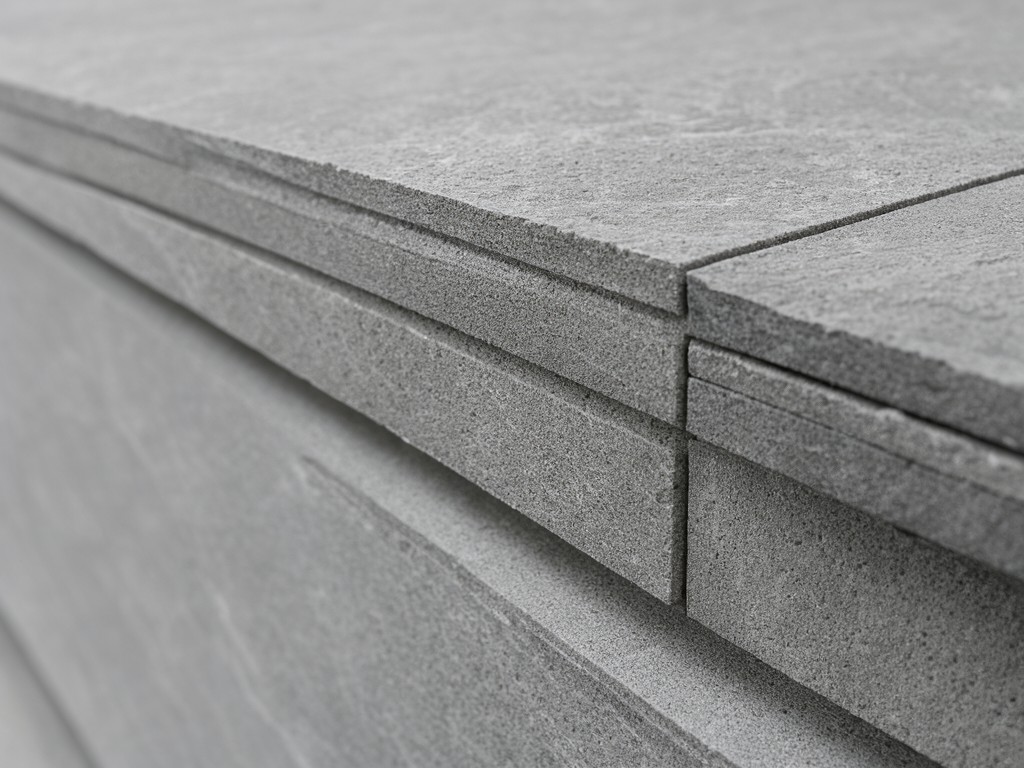
Structural integrity in limestone veneer depends on the density of the raw stone and the mechanical tumbling process. In high-volume procurement, the primary failure mode is surface spalling or delamination occurring when the stone is too porous for the intended environment. Procurement officers must balance the desired aesthetic "wear" of a tumbled finish with the requirement for a consistent substrate thickness that can withstand mechanical stress during installation.
Materials and Construction Trade-offs
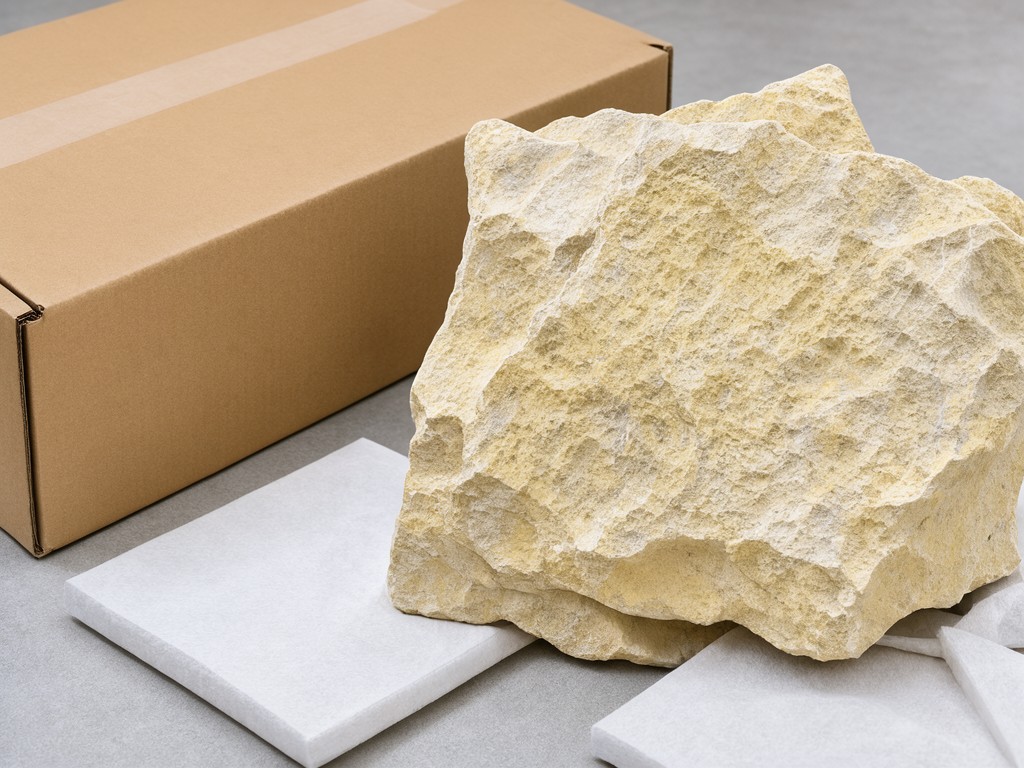
The tumbling process uses abrasive media to round the edges of the limestone, creating an aged appearance. While this provides a high-end retail look for residential and commercial facades, it reduces the effective thickness of the stone edge. A heavy tumble cycle results in a thinner profile that offers less structural mass, making it more susceptible to chipping during transit or site handling.
Lower-grade limestone often contains a higher clay content, which leads to uneven curing and color variations after the first wash. For large-scale developments, specifying a low-clay mineralogical limestone is necessary to ensure that the batch tonal consistency does not shift significantly across the first 24 months of UV exposure.
| Parameter | Standard Range | Procurement Impact |
|---|---|---|
| Thickness Variance | 15mm - 30mm | Affects adhesive load and visual depth |
| Water Absorption | <8% | Determines freeze-thaw resistance |
| Compressive Strength | 30-70 MPa | Critical for load-bearing veneer applications |
| Surface Roughness | Tumbled / Hononed | Influences grout selection and maintenance |
Construction Method and Its Effect on Consistency
Mechanical tumbling is performed in industrial drums with integrated stone-based media. The duration of the cycle in the drum dictates the degree of edge rounding. Over-tumbling can create microscopic fractures in the limestone, leading to high dust production and a weakened surface bond with the thin-set substrate.
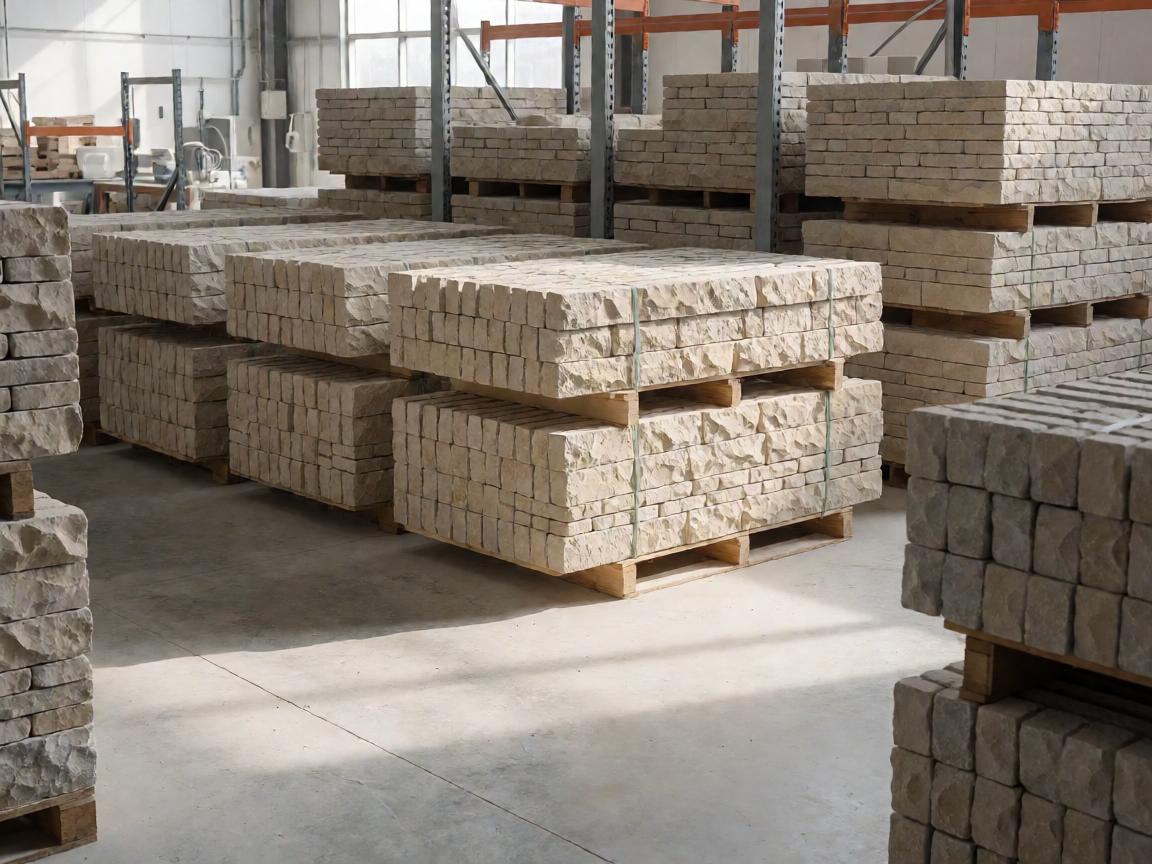
Consistency across batches is managed through the source quarry face. Because limestone is a natural sedimentary rock, mineral variations can cause shifts from beige to grey hues. A factory that utilizes block-level sorting is essential to ensure that a single project order does not contain disparate color profiles.
Matching the Product to the Buyer's Need
- If the project requires high-traffic durability, select a light-tumble finish to maintain maximum stone thickness and prevent abrasion.
- For interior accent walls, prioritize the deep-tumble aesthetic to maximize textural contrast where weather is not a factor.
- In exterior-exposed facades, specify a stone with a low porosity coefficient to prevent algae growth and staining on the tumbled surface.
Assumptions Buyers Should Stop Making
Buyers often assume that all limestone is identical in weather resistance. In reality, the chemical composition of the stone determines how it reacts to acid rain and environmental pollutants. Without a proper mineralogical report, using low-quality imported limestone can lead to rapid surface degradation within three seasons.
Another common misconception is that tumbled veneer requires the same adhesive as flat-tile. The irregular surface area of tumbled edges consumes more material and requires a specific polymer-modified mortar to ensure a full bond across the uneven backings.
Capacity and Tooling
Production cycles are dictated by the quarry extraction rate and the capacity of the tumbling drums. Large orders typically require a 4-6 week lead time to account for the curing process of the stone after mechanical processing. Custom dimensions may require specialized CNC-cutting, which adds significant time to the standard production timeline.
Request technical data sheets and material- samples for your current project specifications.