Bulk top-quality limestone brick tiles Company: What Buyers Should Check Before Ordering
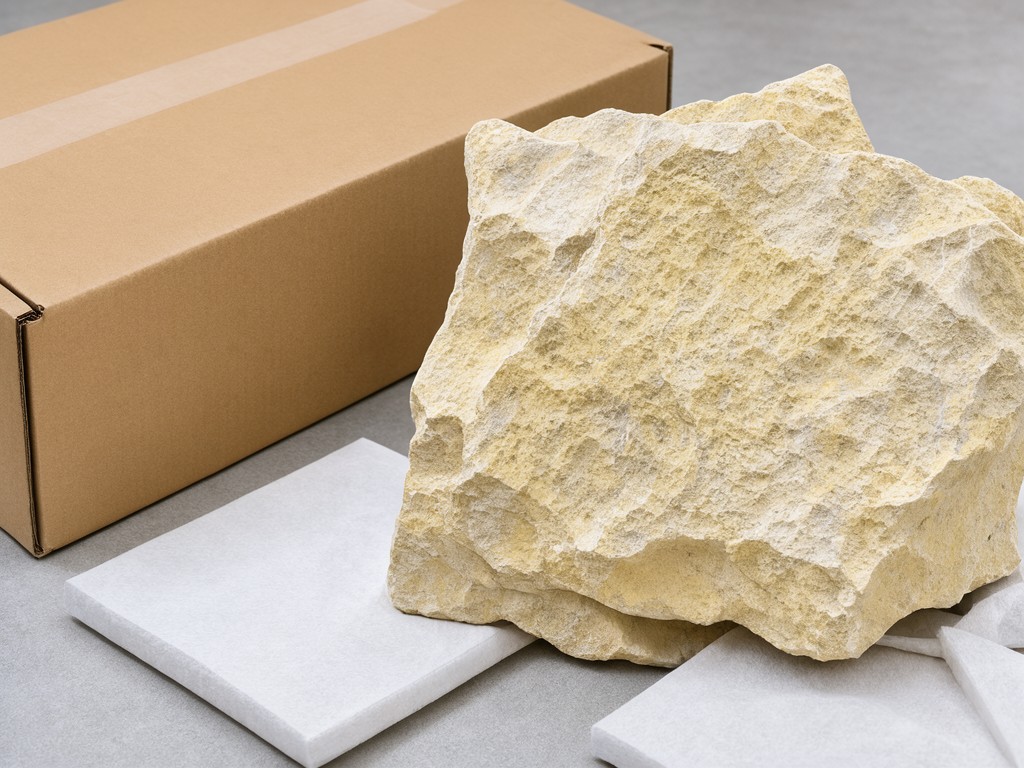
Material choice starts with the conditions the product will meet, specifically moisture absorption and freeze-thaw cycles in exterior applications. High-porosity limestone allows water ingress, leading to spalling and structural delamination when temperatures drop rapidly. Procurement must evaluate the density of the stone cut to ensure the facade integrity remains intact over twenty years of exposure.
Critical Selection Metric
For bulk-scale projects, prioritize tiles with a water absorption rate below 4-6% by weight. This threshold prevents efflorescence and surface crumbling in high-humidity climates.
Where Cheaper Alternatives Fall Short
Cost and durability pull in opposite directions once the project enters the installation phase where labor costs are fixed. Lower-grade limestone often utilizes poorly quarried bedding planes, resulting in inconsistent hardness that causes mechanical breakage during cutting. This leads to high waste rates and the need for premature replacement, far exceeding the initial savings on the unit price.
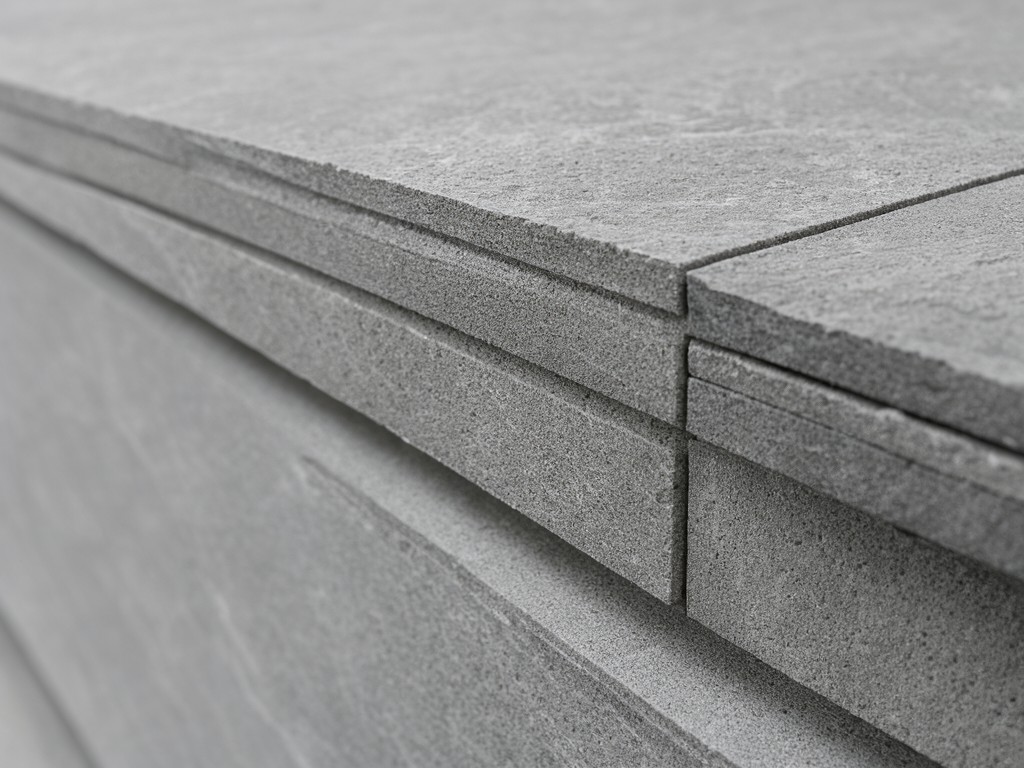
- Inconsistent thickness variance leads to uneven mortar joints across large wall spans.
- Low surface resistance results in rapid staining from atmospheric pollutants and rain.
- Varied mineral density causes visible color shifts between batches within the same installation.
Matching the Product to the Buyer's Need
The specific architectural requirement dictates the necessary finish, which directly impacts the longevity of the aesthetic. A split-face surface provides natural slip resistance for high-traffic areas, whereas a honed finish is reserved for decorative interiors. Selecting the wrong texture for the expected environment increases maintenance frequency costs post-installation.
| Attribute | Standard Grade | Premium Grade |
|---|---|---|
| Material Density | Variable Limestone | High-Density Calcite |
| Compressive Strength | 30-40 MPa | 60+ MPa |
| Thickness Tolerance | ± 3.0mm | ± 1.0mm |
Usage Scenarios and Buyer Segments

Commercial Developers
Focuses on high-volume consistency for multi-unit residential facades. Requires rapid lead times to meet strict construction schedules without structural delays.
Retail Architects
Requires specific color palettes and precision finishes. Priorizes batch matching to ensure visual continuity across high-end commercial projects.
How Consistency Is Held Across Batches
Batch traceability is maintained through rigorous source-mapping at the quarry level. By mixing raw material from different geological layers in controlled ratios, we ensure the mineral composition remains uniform across thousands of square meters. This prevents the "patchwork" effect often seen in low-quality limestone installations.
Where chlorine, or UV exposure is routine, the stone's chemical stability must be tested for degradation rates. Our process selects limestone with low iron content to ensure the surface does not yellow or rust out under intense solar radiation.
Inspection Items and Test Methods
| Test Method | Accept Criteria | Purpose |
|---|---|---|
| Water Absorption Test | < 5% | Prevent frost-thaw damage |
| Flexural Strength | > 15 MPa | Structural load-bearing |
| Dimensional Accuracy | ± 1.5mm | Mortar joint alignment |
Capacity, Tooling and Scheduling
Production capacity is scaled based on the quarry extraction rates to prevent supply-chain bottlenecks. We maintain a rolling inventory of standard-sized tiles to ensure that large-scale orders do not face manufacturing delays. Scheduling requires a 60-day lead time for custom CNC-cutting requirements or specific architectural geometries.