Tuscany Dark Beige
Tuscany Dark Beige is a versatile decorative stone material defined by warm dark beige tones and a natural-looking texture. Its earthy color palette and subtle surface variations create a visually
Tuscany Dark Beige Decorative Stone
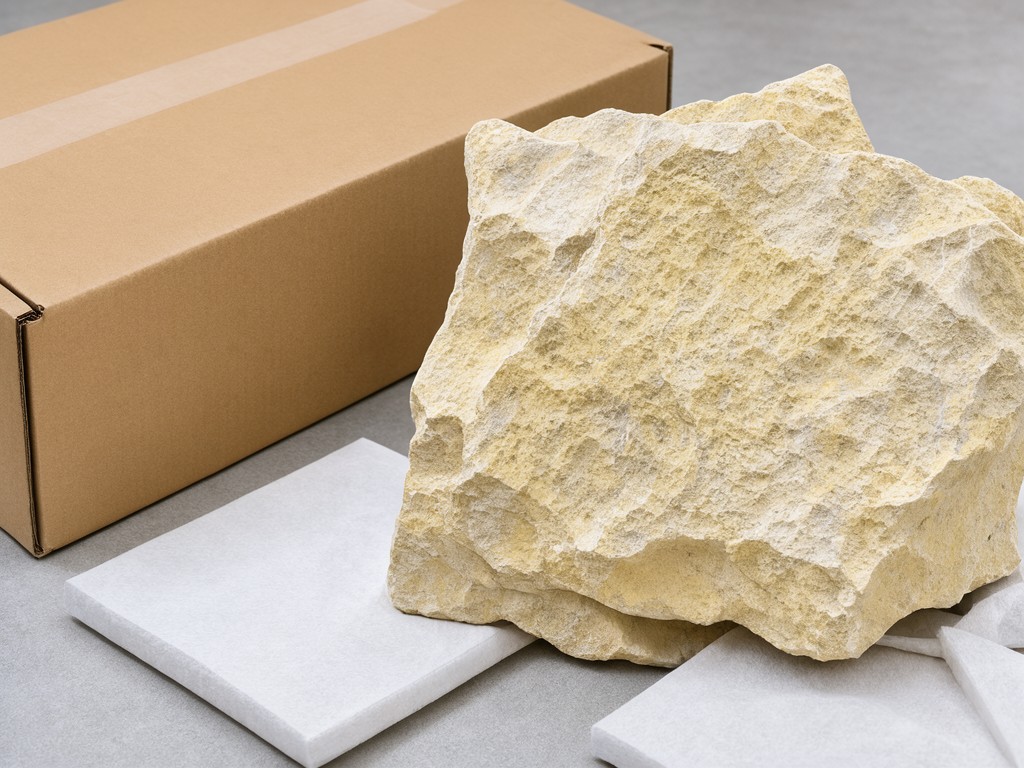
Tuscany Dark Beige is a versatile decorative stone material defined by warm dark beige tones and a natural-looking texture. Its earthy color palette and subtle surface variations create a visually rich finish, bringing depth and character to architectural spaces. Rather than relying on a single flat color, the surface offers gentle variation that helps a finished wall or facade feel more organic and visually engaging.
The material takes inspiration from the warm, timeless aesthetic associated with Tuscan architecture. Its neutral yet rich appearance can support a range of design directions, from rustic and Mediterranean to traditional, farmhouse, and contemporary. This flexibility makes Tuscany Dark Beige a considered option for projects where a welcoming, grounded look is desired without limiting the surrounding design choices.
Because its color sits within an earthy neutral palette, Tuscany Dark Beige can be coordinated with natural wood, light-colored stone, concrete, metal, and other architectural materials. These combinations allow designers and property owners to build contrast, connect different finishes, or carry a consistent warm tone through a space. The overall effect can be adapted to the character of the project and the materials chosen alongside it.
Texture, Color, and Design Coordination
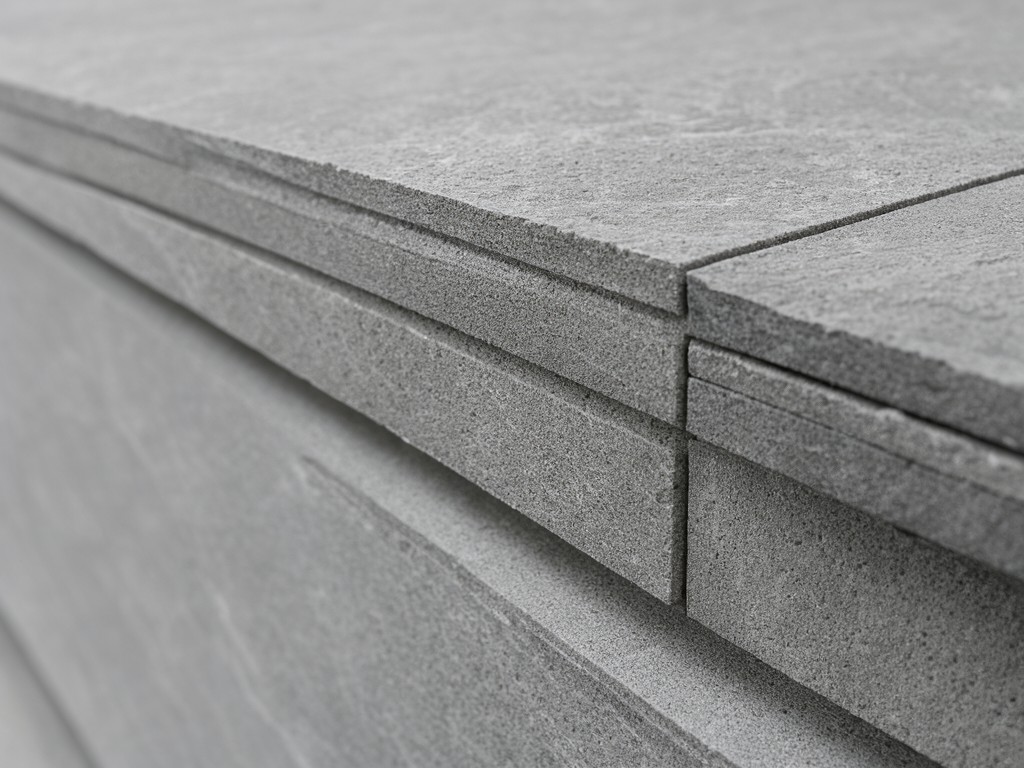
The textured surface enhances the natural appearance of Tuscany Dark Beige and creates an attractive play of light and shadow. As light changes across a surface, its texture and color variation can contribute to a more layered appearance than a uniform finish. This visual quality can help a feature wall or exterior elevation feel more distinctive while keeping the overall palette calm and easy to coordinate.
For design planning, consider how the dark beige tone will relate to adjacent materials, the intended atmosphere, and the scale of the area being finished. Pair it with lighter stone or concrete for a clear tonal contrast, or combine it with wood and other earthy finishes for a warmer, more unified composition. Metal accents can introduce a different material character while allowing the stone’s textured appearance to remain an important visual element.
The natural color variation also means that the completed installation can appear more organic and authentic. This visual distinction can be valuable across broad surfaces and smaller accents alike, helping the material contribute character without requiring a bright or highly contrasting color scheme.
Architectural Applications
Tuscany Dark Beige can be used across a variety of exterior and interior settings. Suggested applications include exterior facades, feature walls, garden walls, fireplaces, patios, entrance areas, retaining walls, and interior accent walls. Using the same material in different parts of a project can help create a visual connection between architectural elements, while selecting it for a single focal area can give that space added texture and warmth.
On an exterior facade, its warm tone can contribute to an inviting first impression and complement surrounding landscape or architectural materials. Garden and retaining walls can use the textured appearance to reinforce a natural, grounded character. Indoors, an accent wall or fireplace surround can make the material a focal point, while patios and entrance areas offer opportunities to extend the same welcoming design language into transitional spaces.
Its warm color is particularly suitable for residential and hospitality environments where an approachable atmosphere is part of the design brief. The application can be planned around the project’s existing materials and desired visual emphasis. For installation and ongoing care, follow the relevant supplier and project guidance so the material is used appropriately for the intended surface and setting.
A Flexible Choice for Residential and Commercial Projects


Across a project, Tuscany Dark Beige provides a consistent design option for teams seeking a warm neutral finish with visible texture. Its broad range of suggested applications gives specifiers room to use it as a defining architectural surface or a more focused accent. The result is a material choice that can contribute depth and character while coordinating with a range of established architectural styles and complementary finishes.