Classic Travertine
Classic Travertine is a natural stone material valued for its warm tones, distinctive surface patterns, and enduring architectural appeal. Formed naturally over thousands of years, travertine carries
Classic Travertine: Natural Character and Timeless Appeal
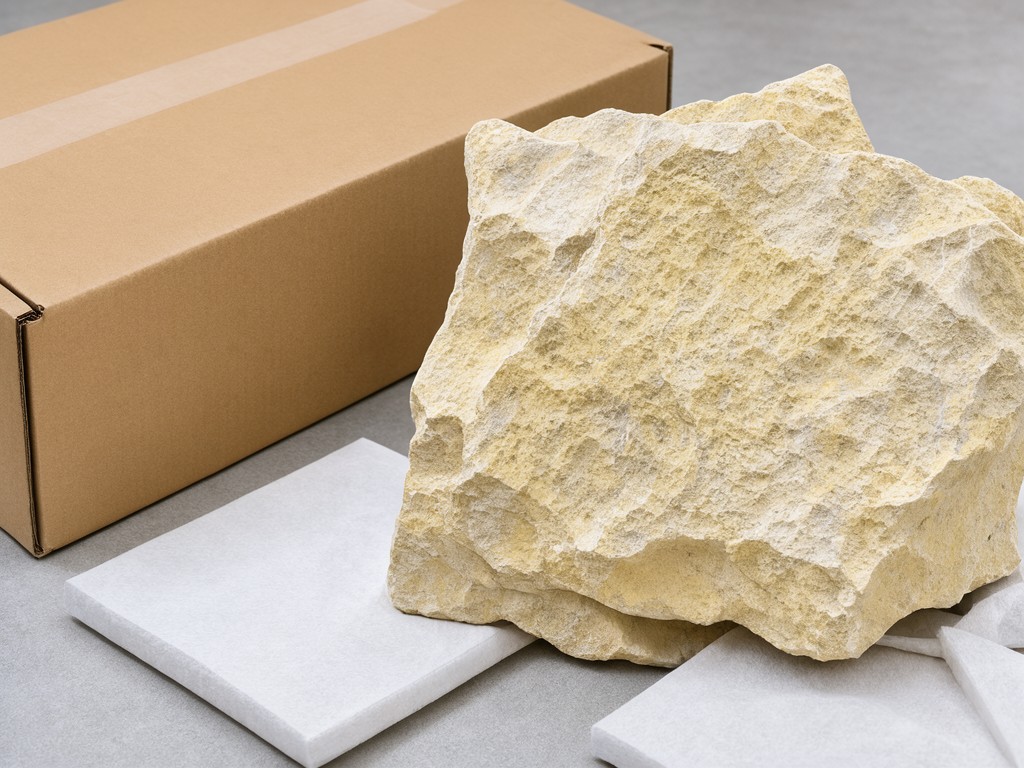
Classic Travertine is a natural stone material valued for its warm tones, distinctive surface patterns, and enduring architectural appeal. Formed naturally over thousands of years, travertine carries visible variations in color, texture, and mineral markings. These characteristics give each piece an individual appearance and bring the variation of natural stone into a finished space.
Rather than presenting a uniform, manufactured look, Classic Travertine offers a surface with natural visual movement. Subtle changes in tone and pattern can help create depth across a floor, wall, or other stone feature. The result is a material that feels established and distinctive while remaining adaptable to different design intentions.
Its soft, earthy color palette can contribute to a welcoming and elegant atmosphere. Classic Travertine works with classic and Mediterranean schemes as well as rustic, modern, and minimalist interiors. It can serve as a quiet natural backdrop or as a more prominent design element, depending on the area covered, the selected finish, and the materials used alongside it.
Applications for Residential and Commercial Projects
Classic Travertine can be used across a variety of residential and commercial applications. Potential uses include flooring, wall cladding, backsplashes, bathroom surfaces, fireplace surrounds, patios, terraces, garden areas, and other architectural features. This range makes it possible to carry a coordinated natural-stone look through different parts of a project, from interior surfaces to selected outdoor areas.
For interior design, travertine flooring can establish a warm foundation, while wall cladding can add texture and visual interest to a room. A backsplash or bathroom surface can bring the stone’s natural pattern into a smaller, more focused area. Fireplace surrounds and architectural details provide further ways to make the material part of a room’s overall composition.
In exterior settings, Classic Travertine may be considered for patios, terraces, and garden areas. The right choice of finish and application helps define the intended appearance, whether the design calls for a more refined, polished look or a natural, textured aesthetic. As with any natural-stone project, consider the specific surface, setting, and project requirements when selecting a finish and planning its use.
Design Flexibility, Formats, and Material Pairings
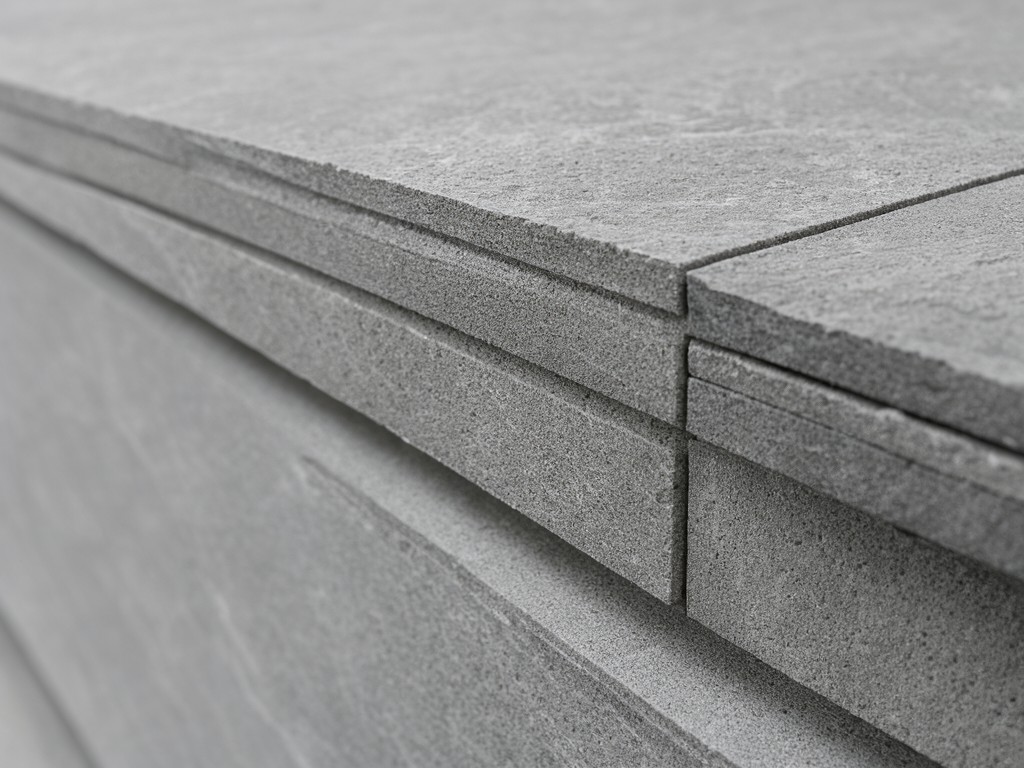
One of the key advantages of Classic Travertine is its versatility in design. It can be cut into different sizes and formats to accommodate a range of installation patterns and project requirements. This flexibility gives designers and installers options when planning how the stone will relate to the proportions, layout, and visual rhythm of a space.

When planning a layout, consider how the stone’s natural variations will appear across the selected formats and surfaces. A larger application can emphasize changes in color and pattern, while a smaller feature can focus attention on a particular area. Thoughtful coordination of format, finish, and surrounding materials helps make the stone feel intentional within the overall design.
A Lasting Natural-Stone Choice

The material’s broad range of potential uses supports both focused design features and larger surface applications. It can be selected to create a consistent stone element across a project or used selectively to bring natural texture to a particular room or outdoor area. Its individual markings also mean that the finished surface has the character of natural stone rather than a completely uniform appearance.
For successful project planning, consider the intended location, desired visual effect, selected finish, and the way Classic Travertine will work with neighboring materials. These decisions help align the stone’s appearance with the practical and design goals of the space. Whether used for flooring, cladding, a bathroom, an exterior area, or an architectural feature, Classic Travertine brings warm natural character and adaptable style to the project.