Buy Black Limestone Cube Factory - Bulk Supply and Specification Guide
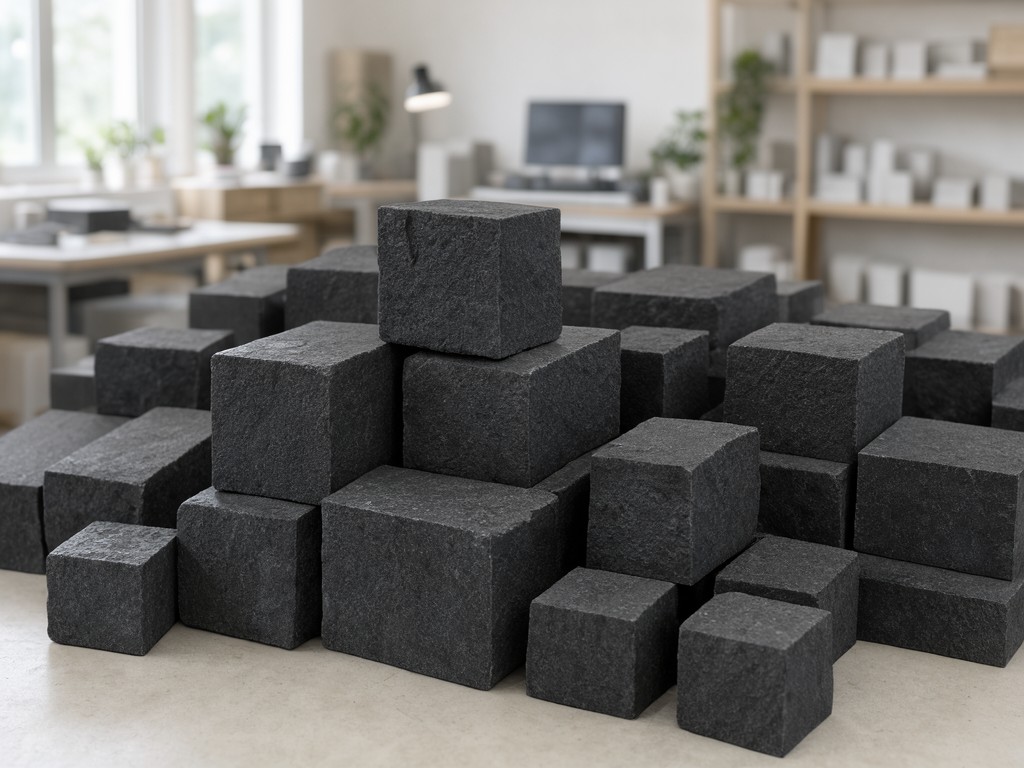
Sourcing bulk black limestone cubes requires an assessment of mineral density and structural integrity rather than just aesthetic uniformity. When these units are used for architectural cladding or industrial hardscaping, the primary failure mode is often a variance in the grain structure which leads to uneven weathering or mechanical fracturing during installation. Our extraction process focuses on maintaining a consistent Mohs hardness across the batch to ensure that every unit reacts identically to thermal expansion and moisture absorption.
Scope of Supply
The dimensional accuracy of the cubes is determined by the cutting-method utilized during the primary processing phase. We employ CNC-guided wire saw cutting to maintain a tolerance of ±1.5mm on all perpendicular faces. This precision prevents the cumulative gap issues often seen in large-scale masonry projects where even slight volumetric deviations require excessive mortar joints that compromise the visual alignment.
- Standard cube nominal sizes range from 50mm to 300mm side-to-side.
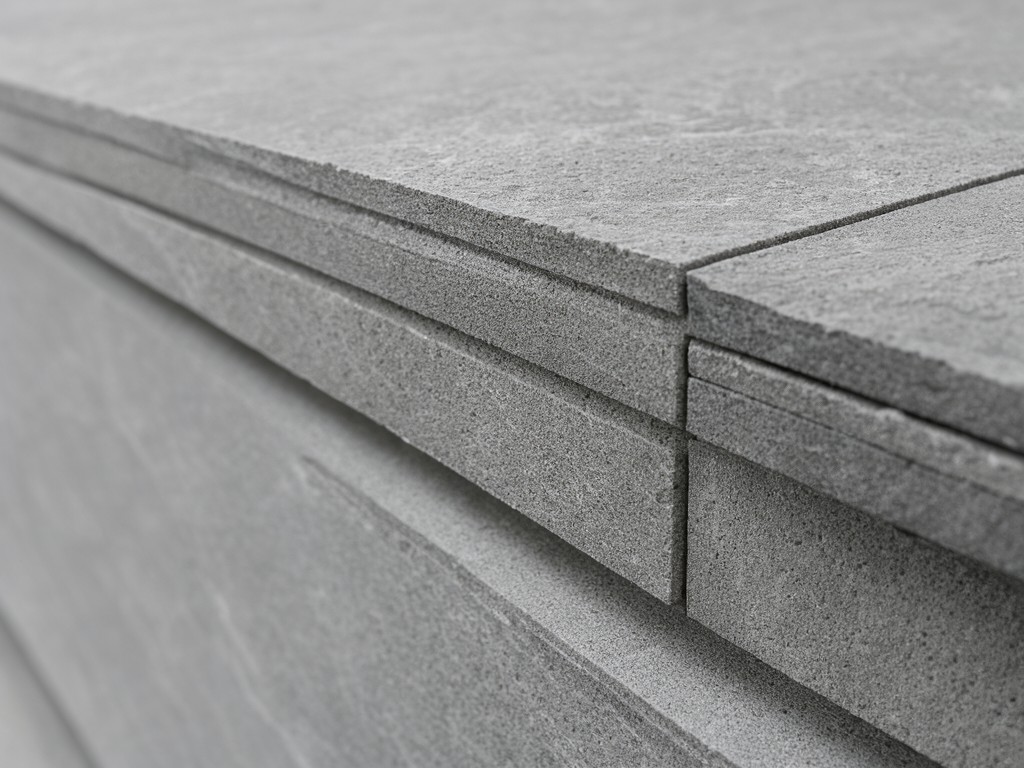
- Surface finishes available include honed, flamed, or bush-hammered for specific friction requirements.
- Density typically measures between 2,500 and 2,700 kg/m³.
How It Performs
Performance in the field is judged by the stone's resistance to chemical etching and mechanical abrasion. Because black limestone is a calcium-based material, it is susceptible to acid rain degradation if the density is not sufficiently compacted during quarry formation. We test each batch for compressive strength to ensure it meets the structural requirements for load-bearing decorative elements without cracking under high-traffic pedestrian exposure.
| Parameter | Standard Range | Testing Method |
|---|---|---|
| Compressive Strength | 60-110 MPa | ASTM C995 |
| Water Absorption | < 3.0% | ISO 11264 |
| Abrasion Resistance | Class 2-3 | DIN 5316 |
How to Choose Before Requesting a Quote
Selecting the correct configuration depends on the environmental exposure and intended mechanical load of the installation.
- Identify Indoor-to-Outdoor Exposure Ratio: If the cubes are exposed to high moisture, select a flamed finish to increase the coefficient of friction and prevent slip.
- Determine Finish-to-Requirement: For interior-grade architectural features, a honed finish provides a matte tone but is more prone to surface scratching from abrasive grit.
- Calculate Volumetric Tolerance: For tight-joint patterns, specify the ±1.5mm tolerance to ensure the grout lines remain consistent across the entire surface area without tapering.
Export Packaging and Handling
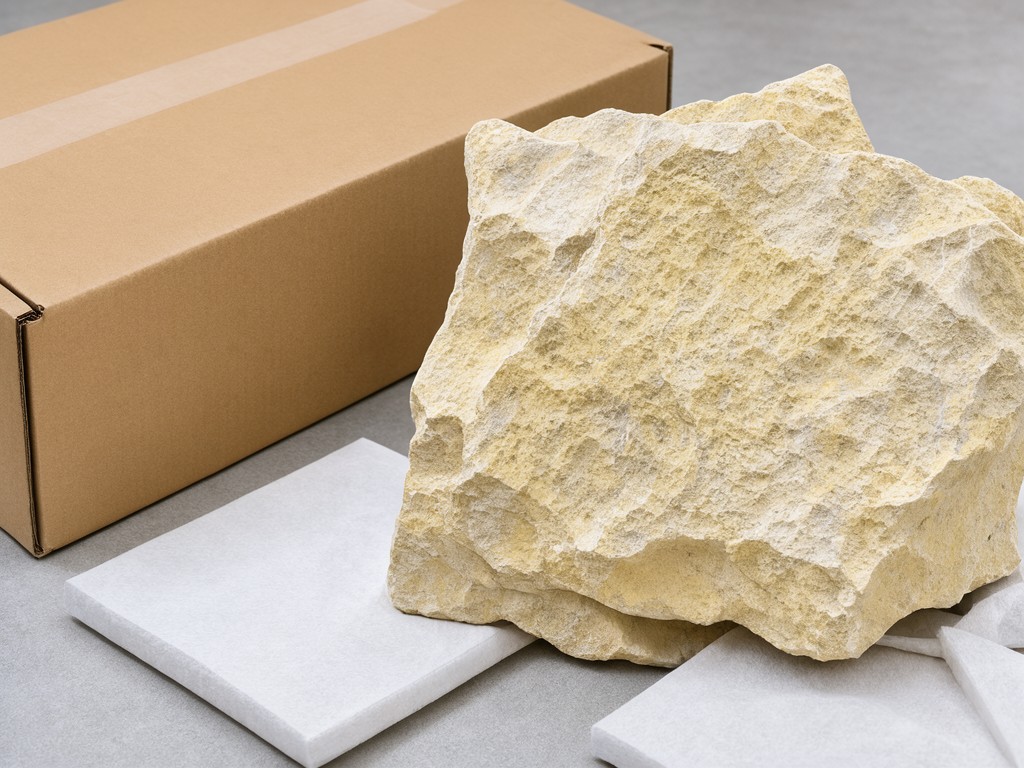
Transporting natural stone requires specific stabilization to prevent impact-induced chipping at the corners. We utilize heat-treated timber pallets reinforced with internal cardboard dividers to prevent movement during sea-freight. Each pallet is shrink-wrapped in industrial-grade polyethylene to mitigate moisture ingress which can lead to efflorescence on the stone surface during long-duration transit.