wholesale limestone veneer cladding supplier: What Buyers Should Check Before Ordering
Material choice starts with the conditions the product will meet, specifically moisture exposure and mechanical load requirements. For large-scale architectural procurement, the absorption rate of the limestone determines the long-term maintenance cycle of the facade. High-porosity variants absorb water rapidly, which leads to surface spalling if the substrate bond is not perfectly uniform.
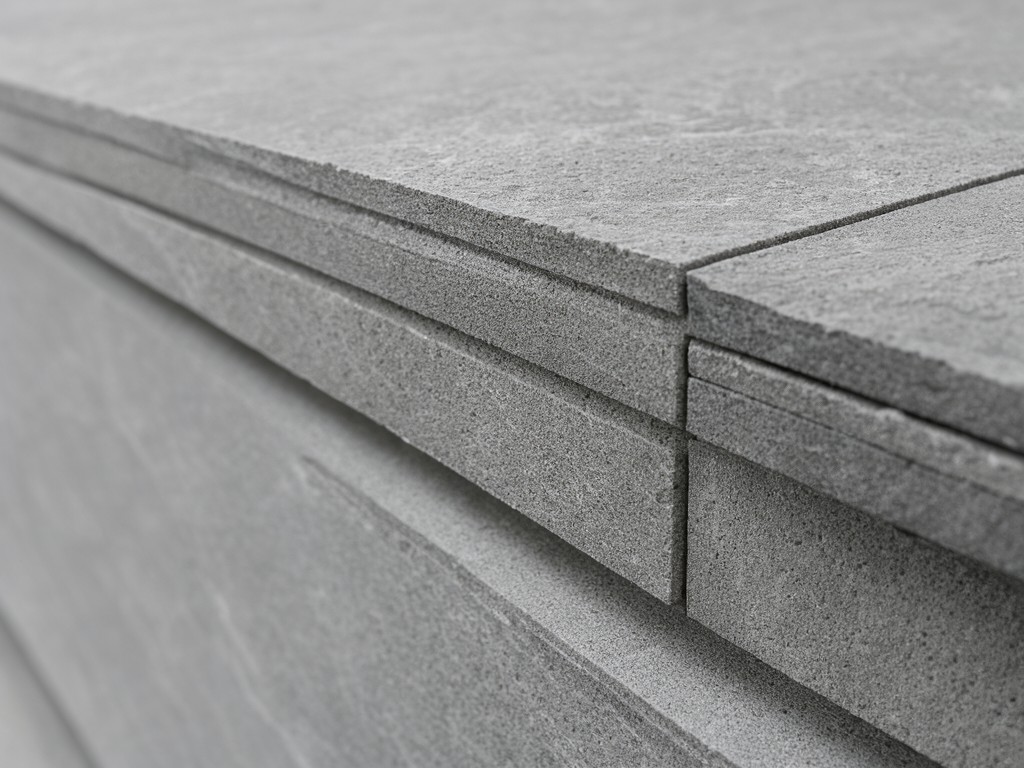
Procurement officers must focus on the dimensional variance between batches rather than just unit price. When sourcing in bulk, a deviation of more than 2mm in thickness across several pallets can disrupt the joint lines, leading to significant labor cost increases during installation. A reliable supplier provides a consistent tolerance-range specification to ensure that the adhesive-mechanical system can handle the weight-heavy stone without requiring excessive manual trimming on-site.
What This Product Is and Where It Fits
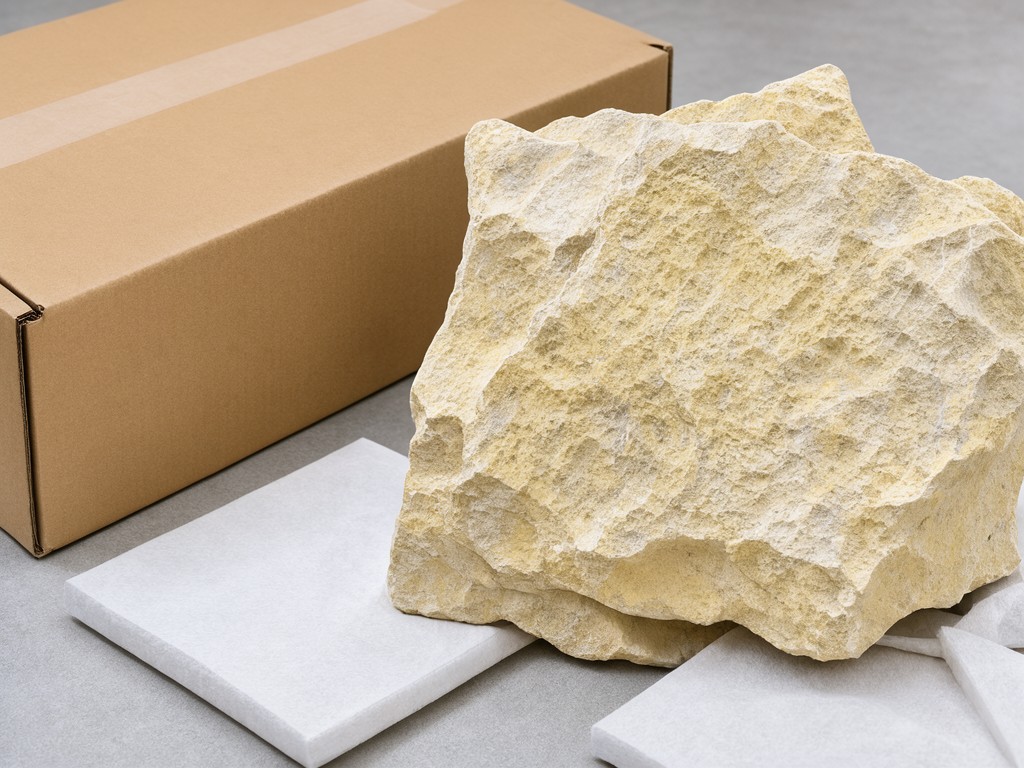
Limestone veneer cladding consists of thin-cut natural stone or engineered composites designed for exterior and interior envelopes. Unlike solid masonry blocks, these veneers are engineered to provide the aesthetic of heavy stone while significantly reducing the dead load on the building frame. This makes them ideal for high-rise projects where structural weight capacity is a primary constraint.
The product fits into high-end residential developments and commercial facades where durability and thermal resistance are required. Because limestone is a sedimentary rock, its composition varies from soft travertine to dense-, offering a range of finishes from honed and polished to rugged split-faced surfaces that define the brand identity of specific architectural developments.
| Parameter | Natural Split Veneer | Engineered Composite |
|---|---|---|
| Thickness Range | 5mm - 30mm | 3mm - 15mm |
| Weight Density | 25-60 kg/m² | 15-30 kg/m² |
| Color Uniformity | Variable (Natural) | High (Controlled) |
How It Performs in Use
Cost and durability pull in opposite directions once the environmental exposure is considered. In high-humidity regions, untreated limestone requires a penetrating sealer to prevent biological growth and staining. For the wholesale buyer, this means the cost-per-meter must account for not just the material, but the potential frequency of maintenance required over a 10-year lifecycle.
The performance of the cladding relies heavily on the bond strength with the substrate. If the substrate is not perfectly flat, the stress on the thin stone can lead to shear failure. We recommend the use of thin-set mortars specifically formulated for natural stone to ensure the veneer accommodates the expansion and contraction cycles of the building skin without cracking.
Construction Method and Its Effect on Consistency
Mechanical Cutting vs. Natural Splitting
The manufacturing process dictates the surface texture and the dimensional precision. Saw-cutting allows for precise edges and uniform thickness, which minimizes waste and speeds up installation time. In contrast, natural-splitting creates a tactile, organic face but introduces variations in depth that require a more skilled labor force to manage the layout and leveling plane.
Consistency is maintained through rigorous batch sorting at the quarry level. By grouping stone by mineral vein density, we minimize the color drift that often plagues large-scale projects. Each cutting process is monitored to ensure that the structural integrity of the thin stone remains robust enough to survive transit transport and handling.
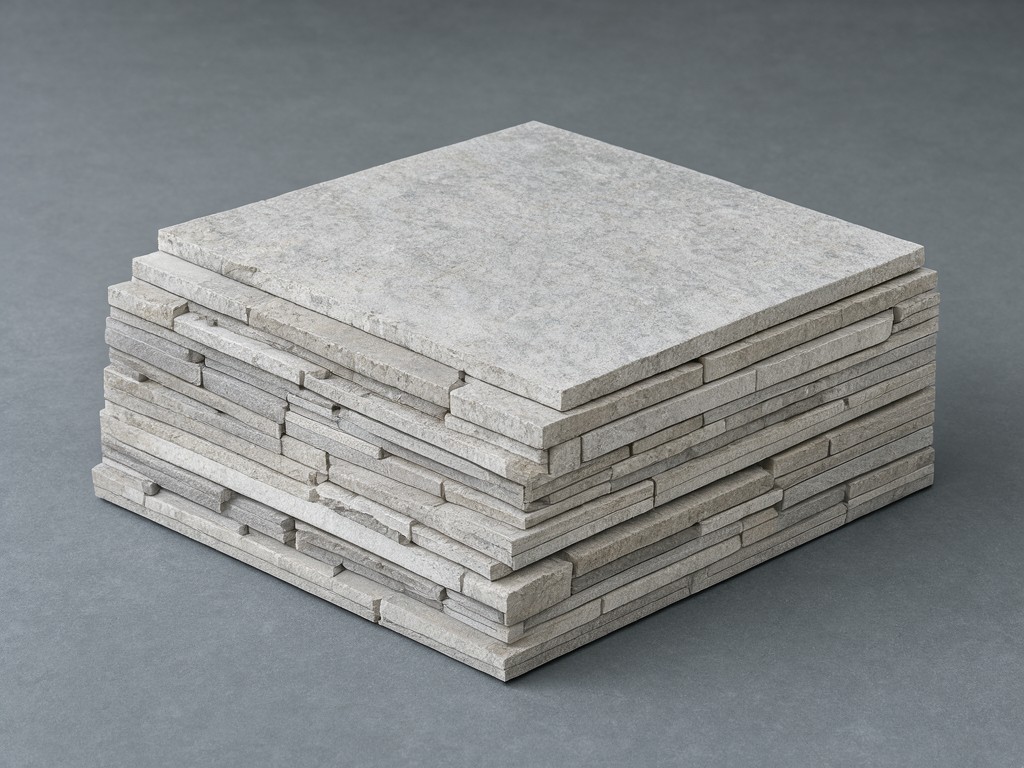
Comparing Two Standard Configurations
Honed Flat Face
Best for interior luxury walls and modern commercial facades where a smooth, uniform finish is required. High precision in thickness allows for narrow grout joints.
- Low dimensional variance
- Easier to clean and maintain
- Susceptible to surface scratching
Split-Face Rough Stone
Designed for exterior cladding where a rustic, natural aesthetic is prioritized. The uneven surface hides water streaks and dust effectively.
- High impact resistance
- Excellent natural shadow play
- Requires wider mortar joints
Buying Mistakes That Lead to Returns
The most common cause for returns is the failure to account for natural-lot color variation. If a buyer orders in multiple phases across different production cycles without specifying batch matching, the resulting facade will be visible once installed under natural light. Always request a sample board from the specific quarry block before committing to a full-volume order.
Ignoring the weight specifications is another critical error. If the structural engineer has calculated for a specific load and the supplier delivers a heavier, thicker-cut stone variant, the support system may be compromised. Verify weight-per-square-meter against the project's structural capacity before shipment.
Usage Scenarios and Buyer Segments
- Architectural Developers: High-volume orders for multi-unit residential complexes requiring consistency.
- Interior Design Firms: Custom accent walls for luxury hotel lobbies and high-end retail spaces.
- Retail Contractors: Durable exterior cladding for commercial storefronts and high-traffic urban areas.
Keeping Repeat Orders Supplied
Securing long-term partnerships depends on transparency regarding sourcing. We maintain digital records of every batch processed to ensure that if a project requires an expansion phase six months later, the color and texture density can be matched. This prevents the "patchwork" effect that often ruins large-scale limestone developments.
Ordering, Tooling and Lead-Time Questions
What is the typical lead time for custom-cut limestone?
Standard wholesale orders range from 4 to 8 weeks depending on quarry availability and the complexity of the saw-cutting requirements.
Can you provide moisture-absorption test data?
Yes, we provide water-absorption rates for each stone grade to ensure they meet your specific project's environmental durability standards.
Ready to finalize your material specifications?
Discuss the technical requirements and bulk pricing for your next limestone cladding project.
Request a specification-review and quote