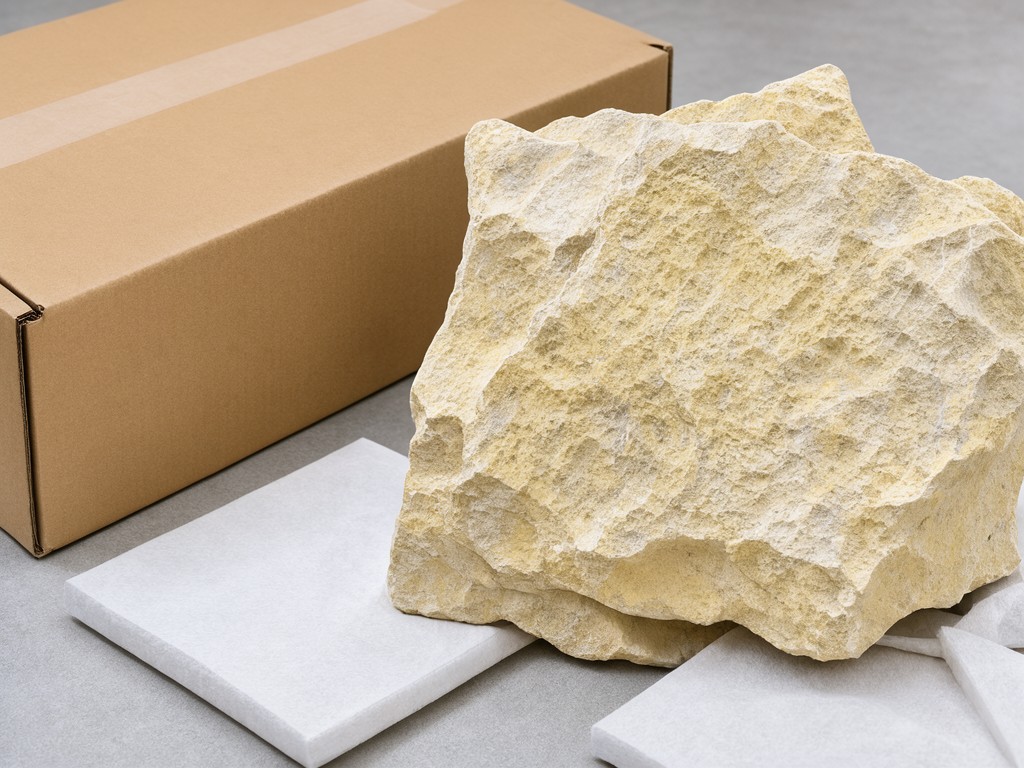
Specifying a Wholesale Cream Beige Stone Cladding Corner Supplier for Wholesale and OEM Orders
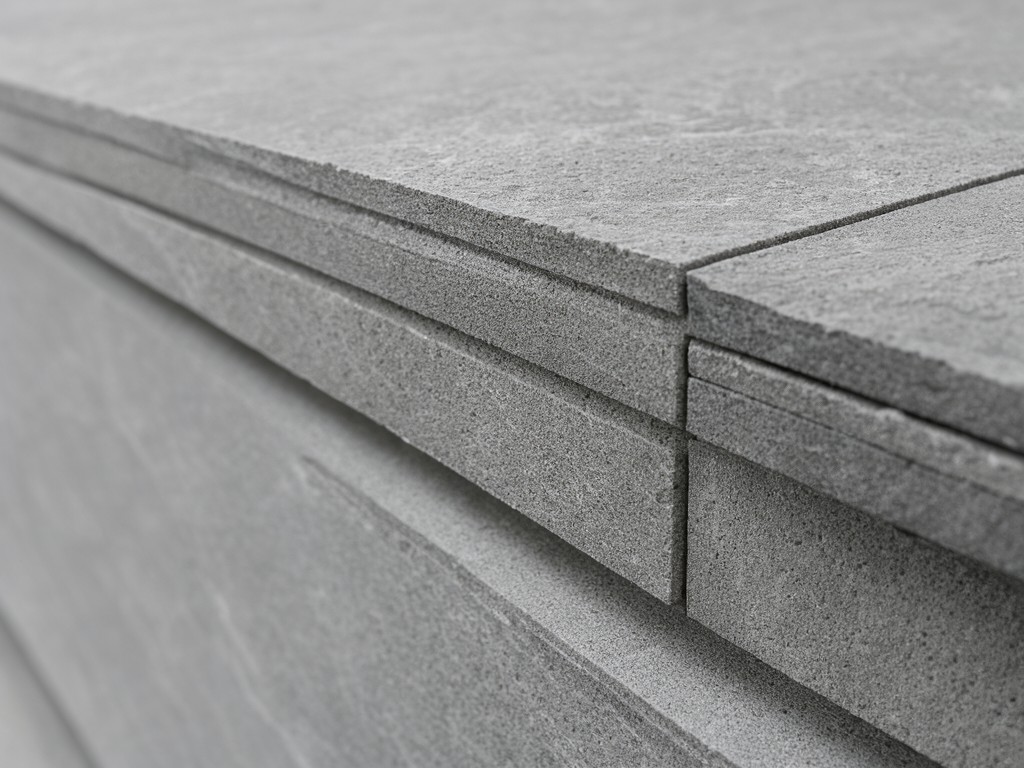
Consistency in stone finishing depends on the dimensional tolerance and edge alignment across large production runs. When sourcing cream beige stone cladding corner units, the primary failure point is the variance in material thickness and the precision of the 90-degree m. If the factory-cut edges are not perfectly perpendicular, the resulting installation requires wider fillers, increasing labor costs on the job site.
What the Design Has to Balance
The natural variation in cream beige stone requires a balance between mineral veining and structural uniformity. High-density slabs offer better resistance to impact chipping during transit but may exhibit a flatter color palette compared to more porous variants. Procurement officers must weigh the need for a unique "look" against the requirement for a predictable color match across multiple shipping containers and project phases.
Surface treatment also dictates the water absorption rate and ease of maintenance. A honed finish reduces micro-fractures in the stone surface, whereas a polished finish increases reflectivity but remains susceptible to environmental staining. For high-traffic commercial projects, a sealed honed surface is standard to prevent deep-set mineral penetration within the stone matrix.
| Parameter | Standard Grade | Premium Grade |
|---|---|---|
| Material Thickness | 12mm - 15mm | 18mm - 20mm |
| Edge Profile | Squared / Raw | Beveled / Chamfered |
| Water Absorption | < 8% | < 3% |
| Color Consistency | Batch-Varied | Strict-Matched |
Material Options and Their Trade-offs
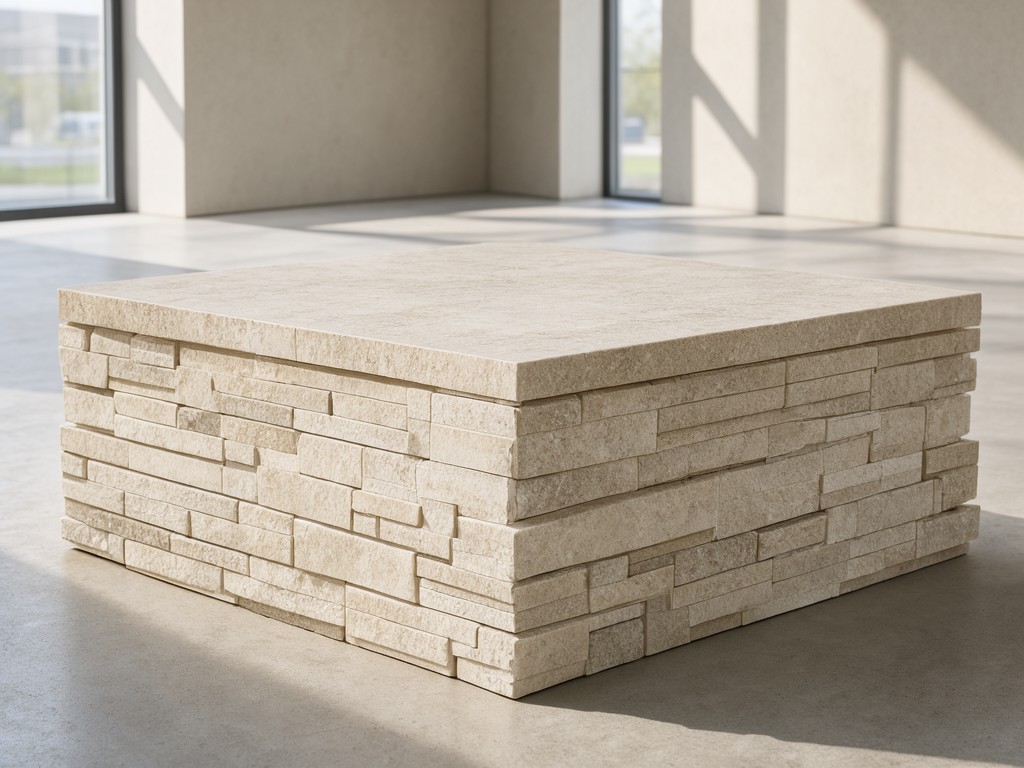
Selecting the correct stone type involves evaluating the environmental exposure of the cladding. Interior partitions can utilize softer beige varieties with intricate veining, while exterior corners demand high Mohs scale ratings to withstand freeze-thaw cycles without spalling.
Honed Cream Beige
Ideal for modern architectural projects. Offers a matte surface that hides minor scratches but requires regular sealing to prevent prevent moisture ingress.
Polished Cream Beige
Best for high-end lobby finishes. Provides depth in color vibrancy but is more prone to surface dulling from acidic rain exposure.
Measured Performance
Structural performance is verified through compressive strength testing and dimensional stability checks. For corner units, the integrity of the m-cut is critical; if the stone is cut too thin at the apex, the unit becomes prone to cracking under the weight of the upper courses or during mechanical stress in installation.
UV resistance is another key metric for beige-toned stones. While natural stone is generally stable, certain mineral inclusions or coatings can yellow over 5-7 years of direct sunlight. We provide batch-specific testing to ensure the cream hue remains within the specified Delta E across the entire project timeline.
Specification Range
Standard lengths are manufactured to accommodate common architectural modules, but custom lengths are available for specific facade designs. The adhesive-side system—whether it is a flat back or notched for mechanical fastening—determines the load-bearing capacity of the corner.
- Standard lengths range from 300mm to 1200mm for bulk orders.
- Corner widths vary in 50mm increments up to 300mm.
- Thickness options include 10mm, 15mm, and 20mm standard profiles.
- Custom CNC profiling available for high-volume architectural contracts.
Usage Scenarios
Large-scale residential developers select these units for multi-unit complexes where visual uniformity across blocks is mandatory. In these scenarios, the supplier must provide color-matched lots to ensure that two adjacent buildings do not appear with mismatched stone tones.
Hospitality projects utilize the corner cladding for bespoke accent walls in lobbies. Here, the focus shifts to the tactile quality of the finish and the precision of the joints to remain sharp under high-impact pedestrian zones.
Segment-Specific Requirements
Procurement officers for government-grade projects require detailed documentation on stone density and mineral composition. For retail distributors, the focus is on packaging-ready pallets and the durability of the stone against breakage during international ocean freight.
Capacity and Scheduling
Production lead times are dictated by the quarry availability of the raw block and the cutting line capacity. Bulk orders for standard cream beige corners typically follow a 4-6 week cycle, while custom-profiled orders may require 8-12 weeks to account for specialized setup and quality control phases.