OEM Top-Quality Quartz Culture Stone Veneer Supplier: Specification and Ordering
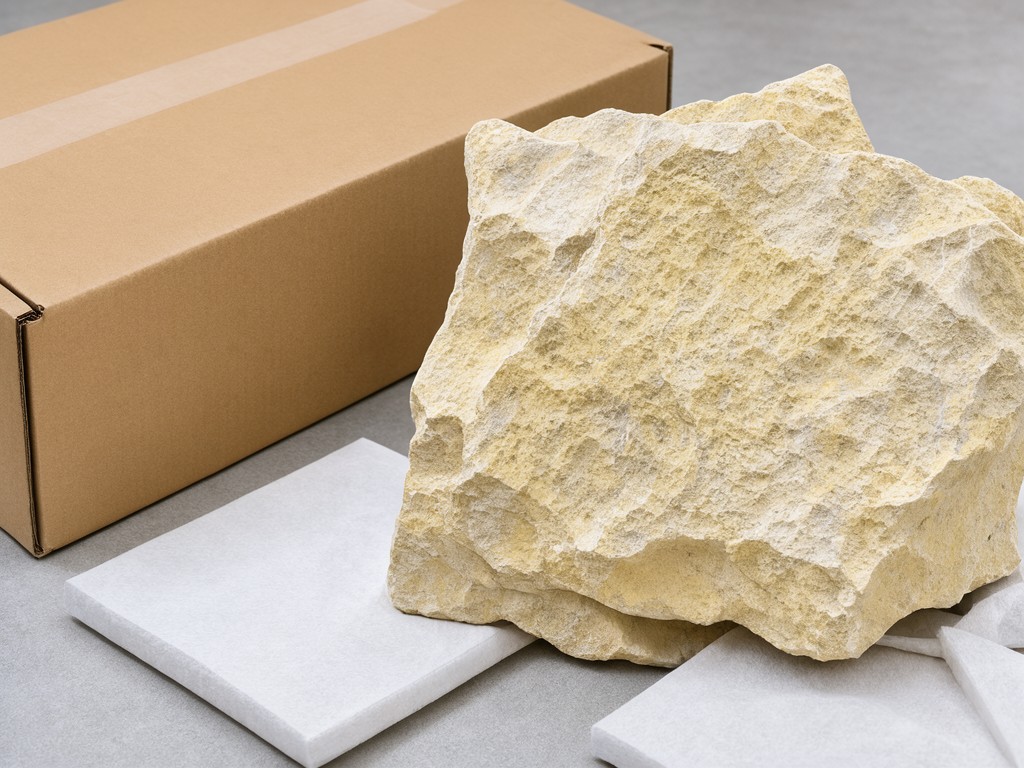
Structural integrity in quartz culture stone depends on the ratio of crushed quartz aggregate to the polymer-based binder. While natural stone often suffers from internal porosity that leads to spalling during freeze-thaw cycles, engineered quartz veneers maintain a water absorption rate typically below 0.05%. This ensures that the veneer maintains dimensional stability even when exposed to high-moisture environments or rapid temperature fluctuations.
How It Performs In Use
Commercial-grade quartz veneers are judged on abrasion resistance and UV-fastness. In high-traffic retail environments or exterior facades, the surface finish must resist fading from prolonged sunlight and scratching from mechanical abrasion. Our OEM manufacturing process involves high-density pigment integration to ensure the color profile remains consistent across 5,000 hours of direct solar exposure.
- Impact resistance rated for mid-range mechanical contact without micro-cracking fractures.
- Thermal shock stability up to 80°C variance without structural deformation.
- Chemical resistance against standard alkaline cleaning agents and acidic de-icing salts.
Matching the Product to the Buyer's Need
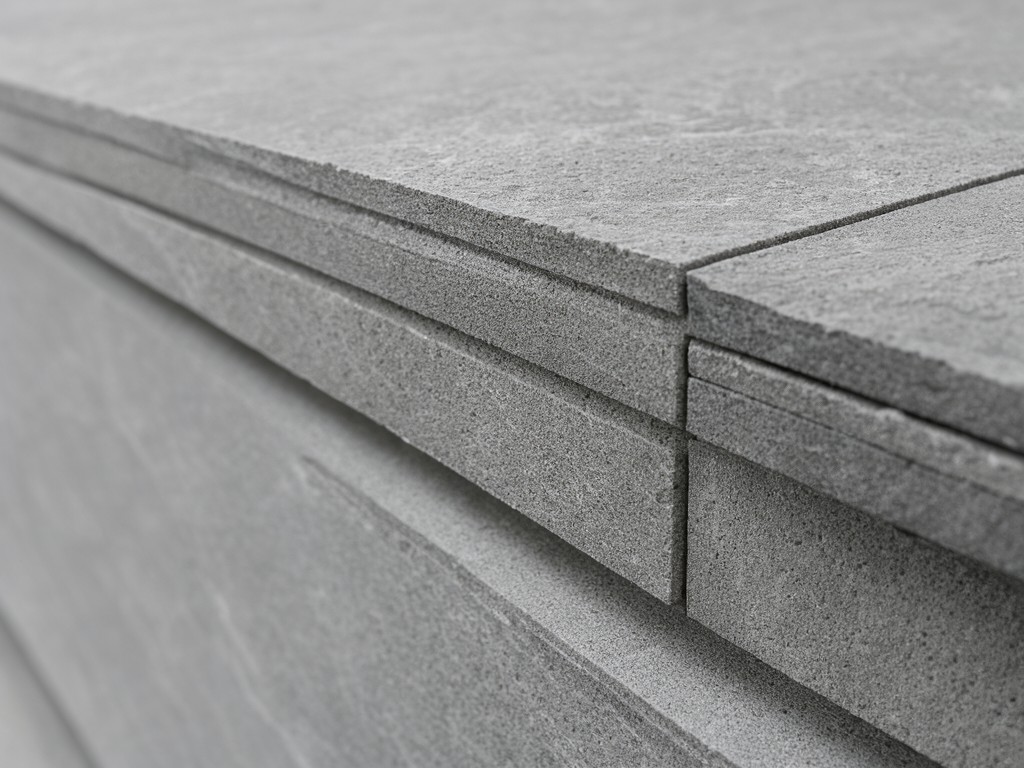
Selecting the right veneer requires balancing the load-bearing capacity of the installation substrate. Thinner 12mm-15mm profiles are optimized for interior decorative cladding where weight is the primary constraint. Conversely, exterior structural applications often require 30mm+ thickness to provide the necessary mass and resistance to wind-load suction and physical impact.
| Parameter | Standard Interior Veneer | Heavy-Duty Exterior Grade |
|---|---|---|
| Thickness Range | 12mm - 18mm | 30mm - 50mm |
| Aggregate Density | 1,800 kg/m³ | 2,400 kg/m³ |
| Surface Finish | Polished / Matte | Rough Hewn / Split Face |
What Can Be Customised and What
Customization Options
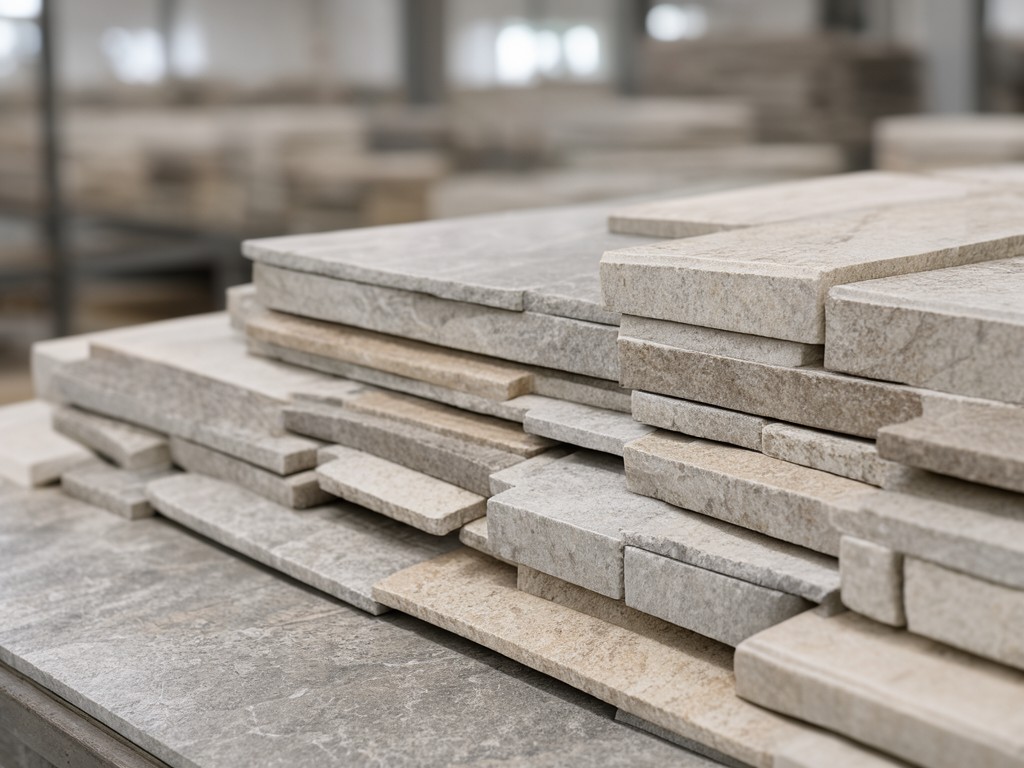
We offer custom pigment matching based on spectrophotometer analysis to ensure batch consistency. Aggregate size can be varied from fine sand to coarse gravel to mimic specific geological patterns.
- Brand-specific color palettes
- Variable edge profiles for corners and joints
- Custom-cut dimensions for specific interlocking systems
Fixed Constraints
The core chemical composition of the quartz-polymer matrix is fixed to maintain structural safety standards. We cannot alter the fundamental tensile strength of the material without compromising the load-rating certifications.
- Minimum quartz content percentage
- Maximum allowable porosity for structural safety
- Standard curing times for resin stability
Who Uses It And Where Matters
Distributors utilize these veneers for large-scale residential developments where rapid installation is a key labor cost metric. Procurement officers prioritize materials that offer a high weight-to-coverage ratio, as the lightweight nature of quartz veneer allows for installation on frames without expensive structural reinforcement required by solid stone-cut masry.
Consistency Is Held Across Batches
Batch variance is the primary cause of project rejection in stone veneers. To mitigate this, we implement a material tracking system where every batch of raw aggregate and resin is bar-coded and linked to a specific production run. This ensures that a reorder placed six months later matches the original installation in both tonal value and texture density.
Questions Ask Before Ordering
What is the adhesive requirement for thin-format quartz veneer?
The veneer requires a high-polymer modified mortar or a polymer-modified adhesive. Standard thin-set mortars may result in bond failure due to the expansion coefficient of the quartz versus the cement.
Can the material be used in submerged pool applications?
Yes, provided the resin binder is rated for chlorine resistance. The quartz aggregate itself is non-porous and will not leach into the water over time.
For technical data sheets or to request a sample for batch production, contact our engineering team.