OEM Slate Stone Cladding Top Supplier: What Buyers Should Check Before Ordering
The structural integrity of natural stone cladding depends entirely on the density of the raw material and the precision of the mechanical cleavage process. When sourcing for large-scale architectural projects, the primary failure mode is not surface wear but internal delamination caused by rapid thermal cycling. If the slate is not processed to maintain a low absorption rate, water expansion during frost cycles leads to splitting along the natural layers, compromising the entire facade within a few seasons.
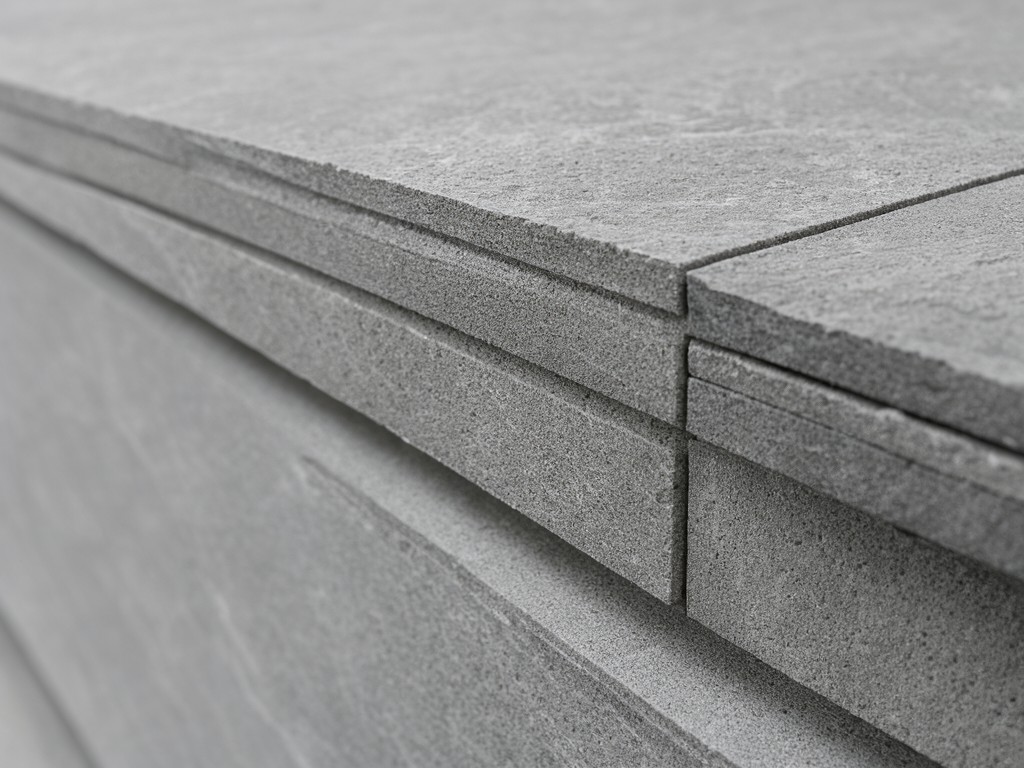
Consistency in thickness is the most critical metric for procurement officers managing installation costs. A variance of even 2mm across a batch forces onsite installers to use uneven adhesive beds, which increases material consumption and the risk of mechanical bond failure. We calibrate our diamond-wire saws to ensure that each tile stays within a specified tolerance, reducing the need for manual trimming on-site and maintaining a predictable project timeline.
Technical Constraint: Porosity Limits
For high-exposure exterior applications, we maintain a water absorption rate below 0.5% by weight. Exceeding this threshold increases the risk of hydrostatic pressure damage, leading to surface spalling in sub-zero climates.
Scope of Supply and Form
Surface treatment dictates both the aesthetic outcome and the maintenance profile of the cladding. A natural split-face finish retains the rugged texture of the stone, providing high slip resistance for pedestrian zones, whereas honed finishes offer a flat plane suitable for modern commercial interiors. The choice of finish also affects how the stone accumulates atmospheric particulate; textured surfaces require more frequent pressure washing to maintain the original color profile over time.
| Parameter | Standard Grade | Premium Grade |
|---|---|---|
| Thickness Range | 15mm - 30mm | 5mm - 12mm (Slim) |
| Surface Texture | Natural Split | Honed / Polished |
| Edge Profile | Rough Chise | Precision Beveled |
Matching the Product to the Buyer's Need
Architectural Projects
Focuses on load-bearing capacity and UV stability. We prioritize batches with high high mineral content to ensure the stone does not fade or chalk under direct solar exposure on southern facades.
Retail Distribution
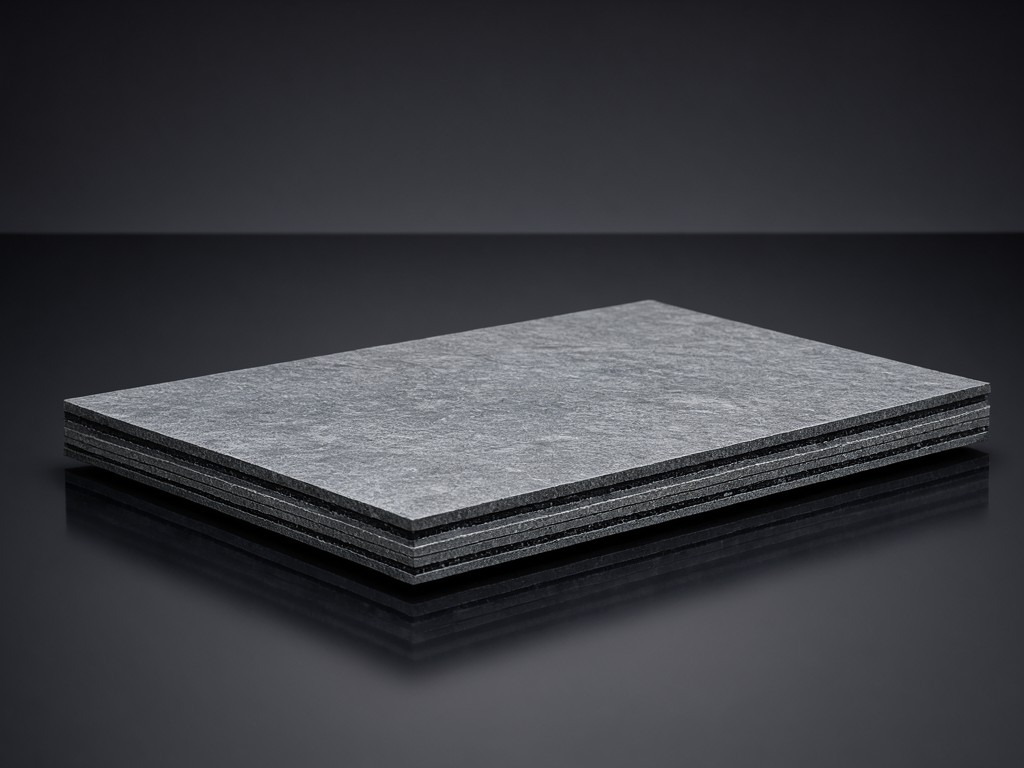
Prioritizes weight reduction and ease of handling. Slim-profile slate options are engineered here to reduce the structural reinforcement requirements for residential wall-mounted applications.
Usage Scenarios and Segments
Commercial developers often require cladding that can withstand high abrasion in public traffic areas. In these environments, the stone is judged on its Mohs scale rating and resistance to surface scratching from mechanical cleaning. Conversely, for luxury residential interiors, the focus shifts to color uniformity across large lots to ensure that the veining patterns remain aesthetically consistent across a continuous feature wall.
- High-traffic commercial lobbies: Requires high-density slate to prevent foot-traffic wear.
- Exterior residential cladding: Requires frost-resistant coatings or natural sealant to prevent efflorescence.
- Internal feature walls: Prefers honed surfaces to minimize dust-trap crevices found in the stone.
Inspection Items and Test Methods
Quality control at the factory level moves beyond simple visual checks. We utilize ultrasonic moisture testing on every production batch to verify that the stone has cured to the correct point before packing. Additionally, dimensional checks are performed using laser gauges to ensure that the squareness of the tiles meets the +/- 1.5mm margin required for tight-joint-lay installation.
Impact strength testing is conducted on random samples to determine the fracture point of the natural cleavage. This ensures that the material can survive the mechanical stresses of international shipping without developing hairline-walled fractures, which is a common cause of rejected batches in wholesale stone shipments.
Keeping Orders Supplied
Logistics for heavy stone require specialized packaging to prevent edge chipping. We utilize reinforced heat-treated timber crates with internal dividers that isolate each pallet, preventing friction-based damage during sea transit. This configuration reduces the breakage rate to less than 2% compared to standard pallet-wrap methods.