Specifying low price limestone culture stone ledger panels factory sale for Wholesale and OEM Orders
What This Product Is and Where It Fits
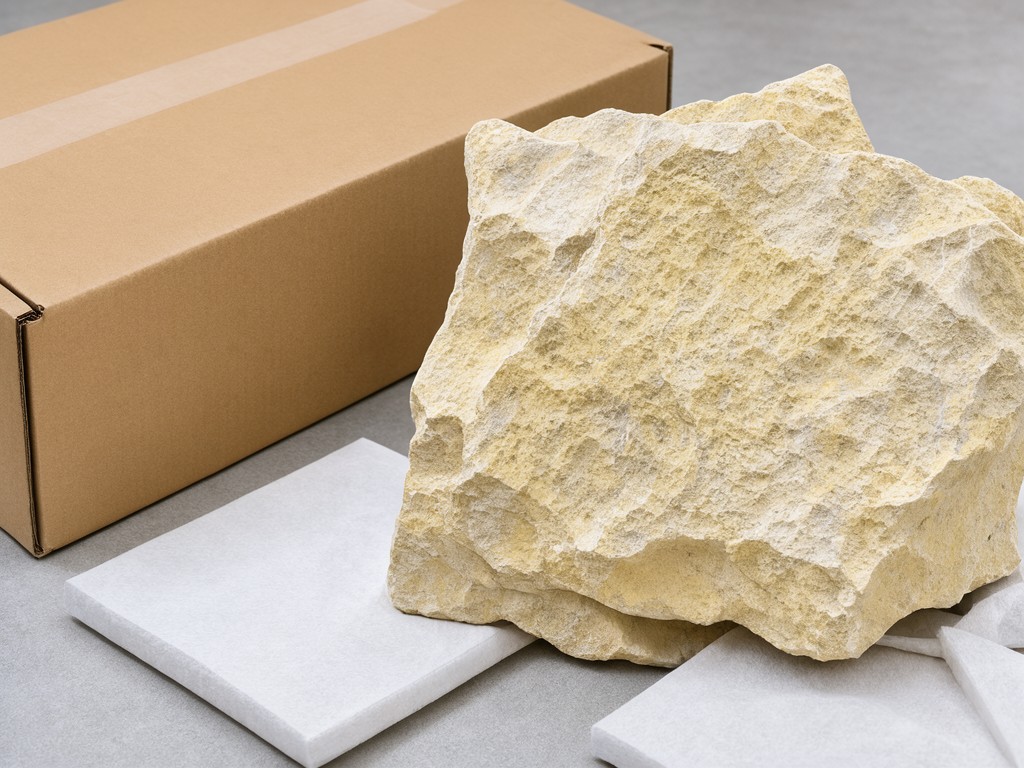
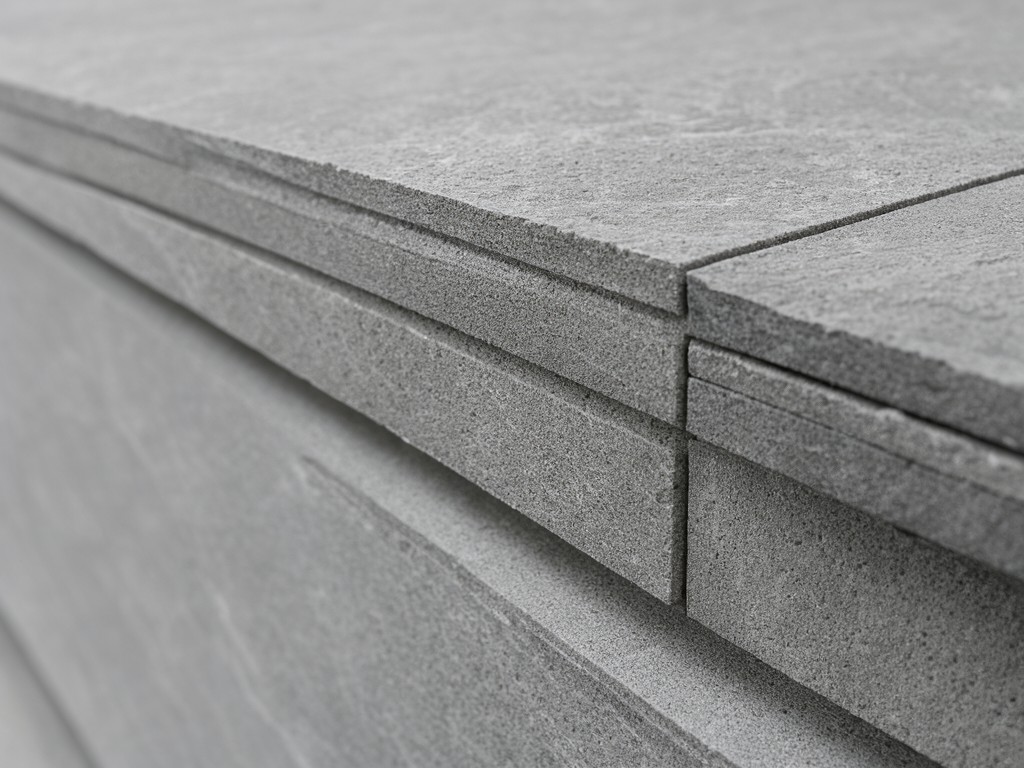
Culture stone panels consist of thin-cut natural limestone slices bonded to a reinforced polymer mesh backing. Unlike solid full-bed stone, these panels are engineered for rapid-install aesthetic applications where weight-bearing capacity is not the primary requirement. This configuration specifically targets residential development projects and commercial retail fitouts where speed-to-square meter is the decisive procurement metric.
The ledger-style format allows for staggered installation patterns that mimic traditional masonry without the associated labor hours. By utilizing split-cut techniques rather than precision sawing, we maintain the visual texture of premium natural rock while significantly reducing the logistical costs associated with heavy stone blocks.
What the Design Has to Balance
The primary challenge in culture stone production is the ratio between veneer thickness and adhesive bond strength. A thinner veneer reduces shipping weight but often leads to brittle panels that fracture easily under mechanical stress during handling. Conversely, increasing the thickness adds significant weight per pallet, which directly drives up the landed-cost per square meter for the end-user.
We optimize the panel profile to stay within a 15mm to 30mm range. This specific window ensures the limestone remains rigid enough to resist thermal expansion-induced cracking while remaining light enough to be handled by a single installer, reducing the risk of onsite impact damage.
Materials and Construction Trade-offs
Limestone selection varies based on porosity and color consistency. High-porosity varieties offer a more rugged, aged aesthetic but are susceptible to moisture efflorescence if the substrate is not properly sealed. To mitigate this, we select limestone with a controlled absorption rate, which ensures the surface color remains stable after exposure to fluctuating moisture cycles.
| Feature | Standard Grade | Premium OEM Grade |
|---|---|---|
| Backing Material | Standard Poly Mesh | Reinforced Fiberglass Mesh |
| Veneer Depth | Variable (±5mm) | Precision (±2mm) |
| Edge Treatment | Rough Cut | Beveled/Interlocking |
Where This Product Beats Standard Alternatives
Standard thin-cut stone often suffers from delamination where the stone face separates from the backing due to temperature fluctuations. Our panels utilize a mechanical-bond adhesive system that distributes stress across the entire surface area of the panel. This prevents the "popping" effect frequently seen in lower-tier imported alternatives.
Furthermore, by utilizing a standardized modular panel format, we eliminate the need for complex on-site cutting. This translates to a direct reduction in labor costs for the contractor, which often outweighs the material cost-savings of the stone itself.
OEM and ODM Programme Structure
We offer custom color profiling and panel-specific dimensions for large-scale retail chains. Procurement officers can request specific limestone batches to ensure color tone matching across 10,000+ square meter orders, which is a common requirement for multi-phase architectural developments.
Customization options include surface-applied sealants that enhance UV resistance or provide anti-graffiti properties for urban urban environments. These modifications are integrated into the production line to ensure that the treatment is not a secondary coating that could peel over.
How Consistency Is Held Across Batches
Batch consistency is managed through raw material source tracking at the limestone quarry. Each shipment is indexed by its quarry block, ensuring that the mineral composition and color hue remain uniform within a specific project order. This prevents the "patchwork" look that occurs when different geological sources are mixed on a single building facade.
Capacity, Tooling and Scheduling
Our facility capacity is scaled for high-volume output, utilizing automated wire-cutting saws that maintain consistent thickness across thousands of units. This automation allows for lead times of 4-6 weeks for standard inventory orders, while custom OEM tooling may require an additional 2-week setup.
Packing, Marking and Freight Configuration
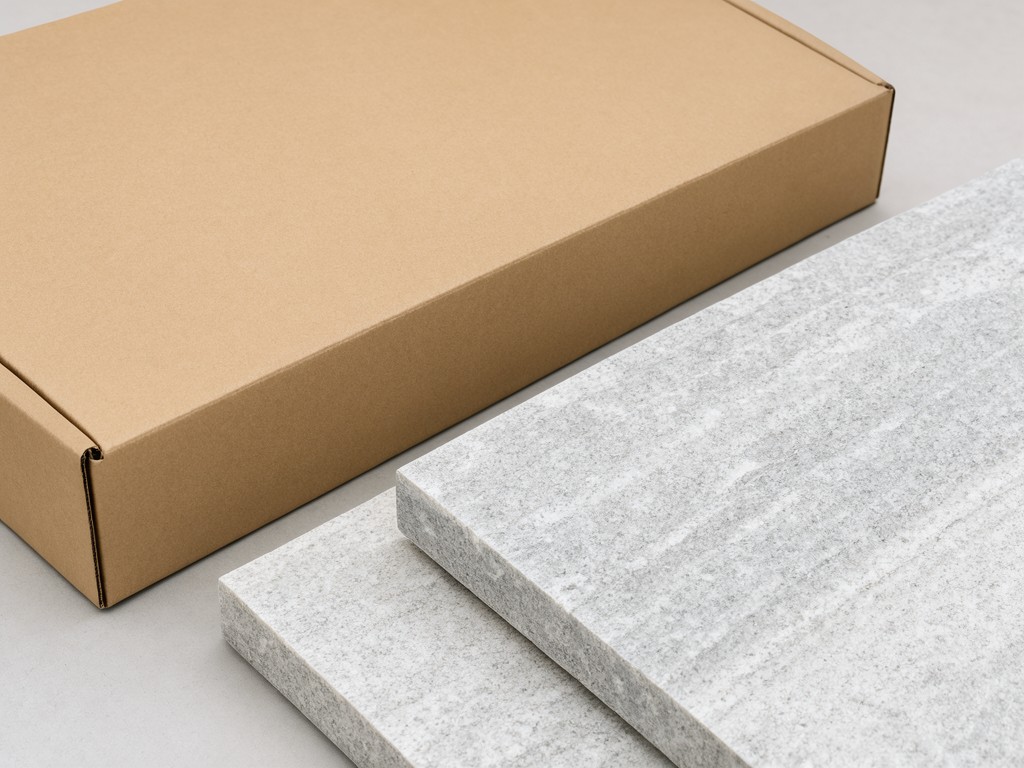
To minimize breakage during international shipping, we utilize reinforced heat-treated wooden pallets with internal foam dividers. Each pallet is shrink-wrapped with reinforced corner protectors to prevent moisture ingress and shifting during sea transit.
- Vertical orientation marking to prevent edge crushing.
- Pallet-level labeling with batch numbers and weight data.
- Moisture-indicator strips for long-haul container shipping.
Request technical data sheets or wholesale pricing tiers for your next project.
Contact our procurement team for a quote