Factory Direct Granite Culture Stone Wall Cladding Exporter for Wholesale and OEM Orders
Sourcing granite culture stone requires balancing the density of the natural stone against the structural integrity of the manufactured backing. While granite provides high resistance to abrasion and fading, the bond between the stone face and the substrate determines whether the cladding survives repeated freeze-thaw cycles. Our manufacturing process focuses on maintaining a high-shear bond to ensure that the veneer does not delaminate when exposed to high humidity or rapid temperature fluctuations.
Size, Weight and Specification Range
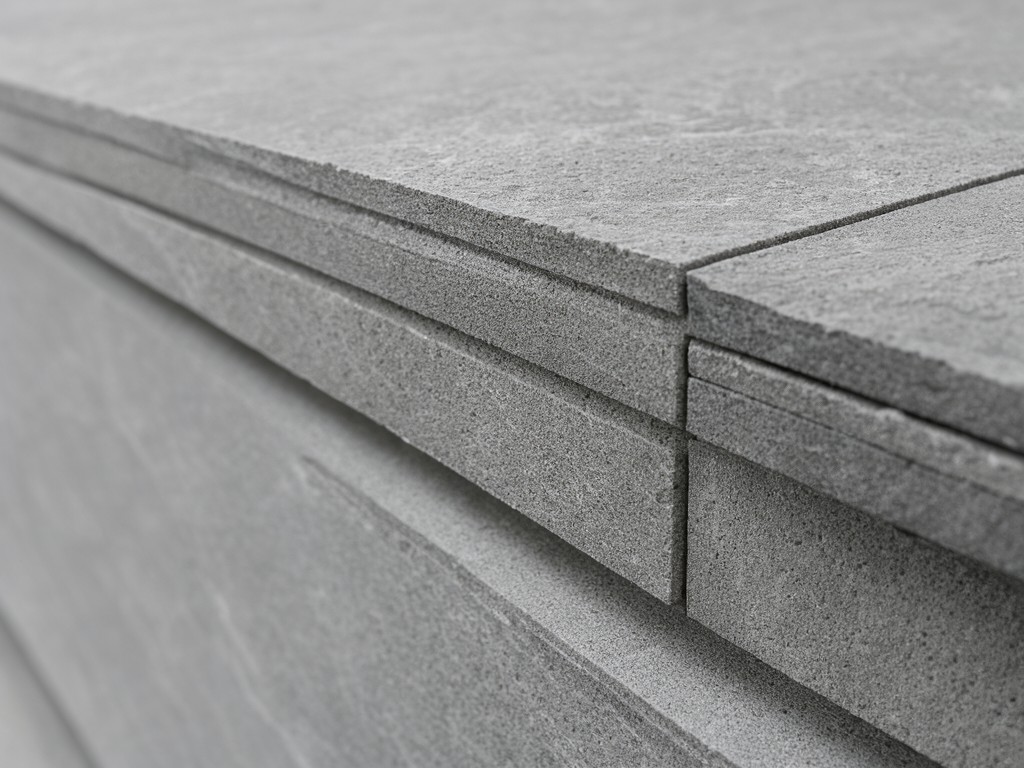
Dimensional consistency is the primary metric for installation speed in large-scale commercial projects. Variations in panel thickness lead to uneven mortar joints and increased labor costs as installers struggle to level-align the faces. We control the cutting process to a tolerance of ±1mm across the entire batch to ensure that flat surfaces remain flat without the need for excessive-shimming.
| Parameter | Standard Range | Custom Options |
|---|---|---|
| Panel Dimensions | 300x600mm, 600x600mm | Project-specific CNC cutting |
| Stone Thickness | 8mm - 20mm | Ultra-thin 5mm slices |
| Weight per m² | 15kg - 35kg | Reinforced mesh variants |
| Substrate Material | GFR (Glass Fiber Reinforced) | Cement-based composite |
Matching the Product to the Buyer's Need
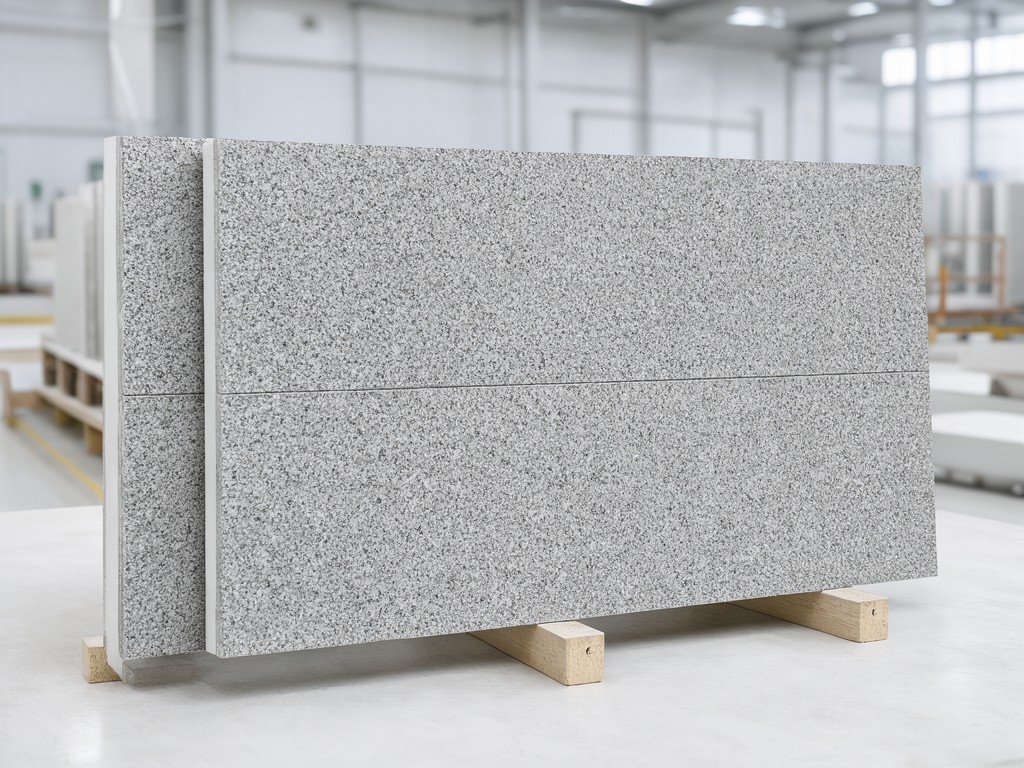
The choice of surface finish dictates the maintenance profile of the finished building. A polished granite surface resists dust accumulation but shows water spotting and is susceptible to micro-scratches during transit. Conversely, a split-face or textured finish hides debris better but requires a more aggressive sealant to prevent organic growth within the porous crevices.
Polished Finish
Best for high-traffic retail lobbies and modern facades where visual impact is prioritized. The surface highlights the natural grain of the granite.
- High light reflectivity
- Requires periodic sealing
- Sensitive to surface-level abrasion
Split-Face / Rough
Ideal for exterior retaining walls and rustic architectural styles where durability is key. The irregular surface provides natural mechanical interlock.
- High impact resistance
- Houflages mineral staining
- Low maintenance requirement
Assumptions Buyers Stop Making
Many buyers assume that all culture stone is interchangeable regardless of weight. In reality, the thermal expansion coefficient of the granite must be matched with the adhesive or substrate. If the substrate is too rigid and the stone is too thin, the granite will crack under direct solar exposure, leading to "spalling" where the stone face shears off.
Another common misconception is the UV stability of the stone. While the granite itself is inert, the resins used in some cheaper backing materials can yellow or degrade over time. We provide batch-traceable components to ensure that the polymers used within a single shipment offer consistent performance across the entire project area.
Working as a Partner, Not Catalogue Supplier
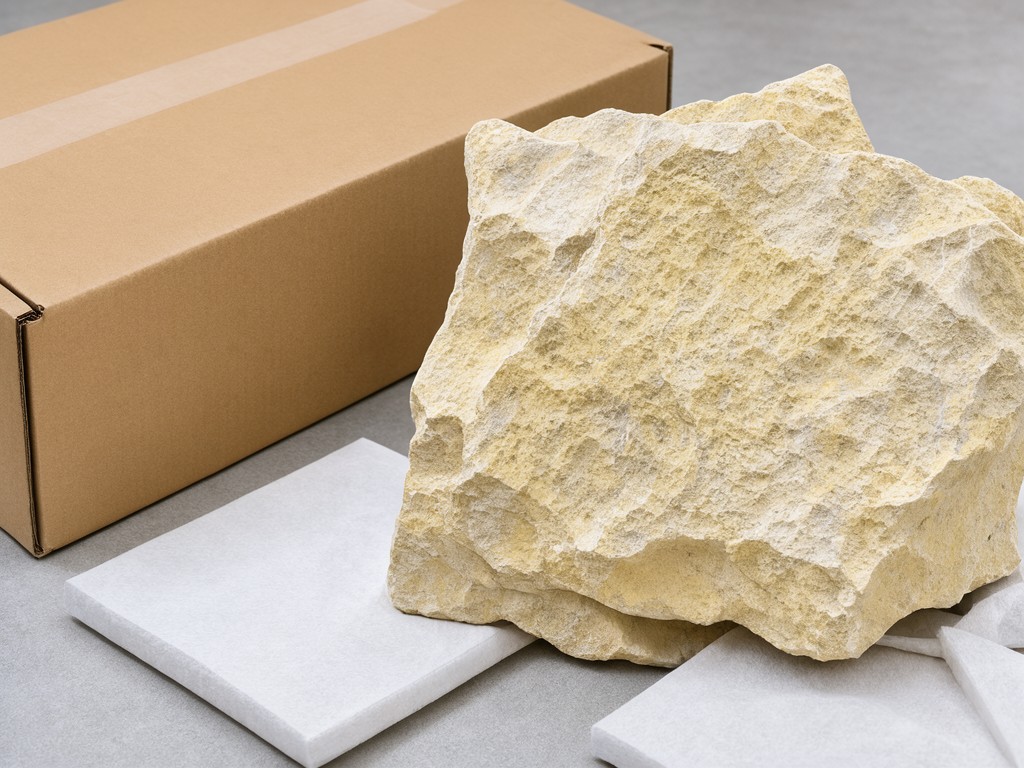
Logistics for stone cladding are dictated by the brittle nature of the product. Standard palletizing often results in edge-chipping during sea-freight. We utilize reinforced wooden crates with internal foam buffering to isolate each panel, reducing the breakage rate upon arrival to under 2% for bulk export orders.
Our production line integrates batch-level testing to ensure that color variance remains within a defined Delta-E range for any single production run. For OEM orders, we provide custom color-matching based on physical samples, ensuring that the granite tone matches the project's architectural specifications.
Stock Availability and Lead Times
Lead times fluctuate based on the availability of specific granite quarries. We maintain a baseline inventory of common grey and earth tones to facilitate immediate dispatch for restock orders. Custom-cut orders typically require a 45-60 day window to account for stone extraction and the curing process of the composite substrates.