Direct Factory Top-Quality Ledger Stone Corner Panels: What Buyers Check Before Ordering
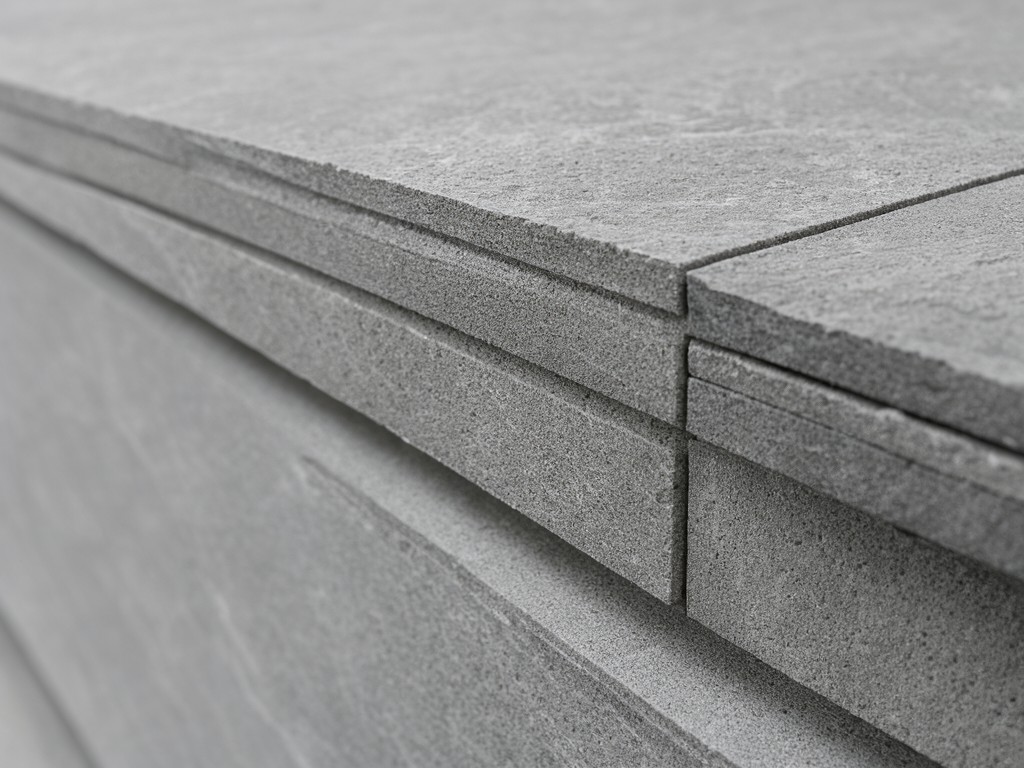
Structural integrity in masonry assemblies often fails at the junction points where pre-cut veneer meets the substrate. When corner panels lack precise geometric mitering, the resulting grout lines become uneven, leading to water ingress and subsequent spalling of the stone face. Our manufacturing process addresses this by utilizing CNC-guided edge profiles that ensure a 90-degree fit is maintained without the need for heavy field adjustments on-site.
Procurement officers typically prioritize the thickness of the stone layer against the impact resistance of the backing material. Thinner veneers reduce shipping weight but are prone to cracking during transit if the internal reinforcement is not sufficiently rigid. We employ a fiberglass mesh-reinforced backing to distribute mechanical stress, preventing the common failure mode of delamination under heavy handling.
Scope of Supply and Physical Form
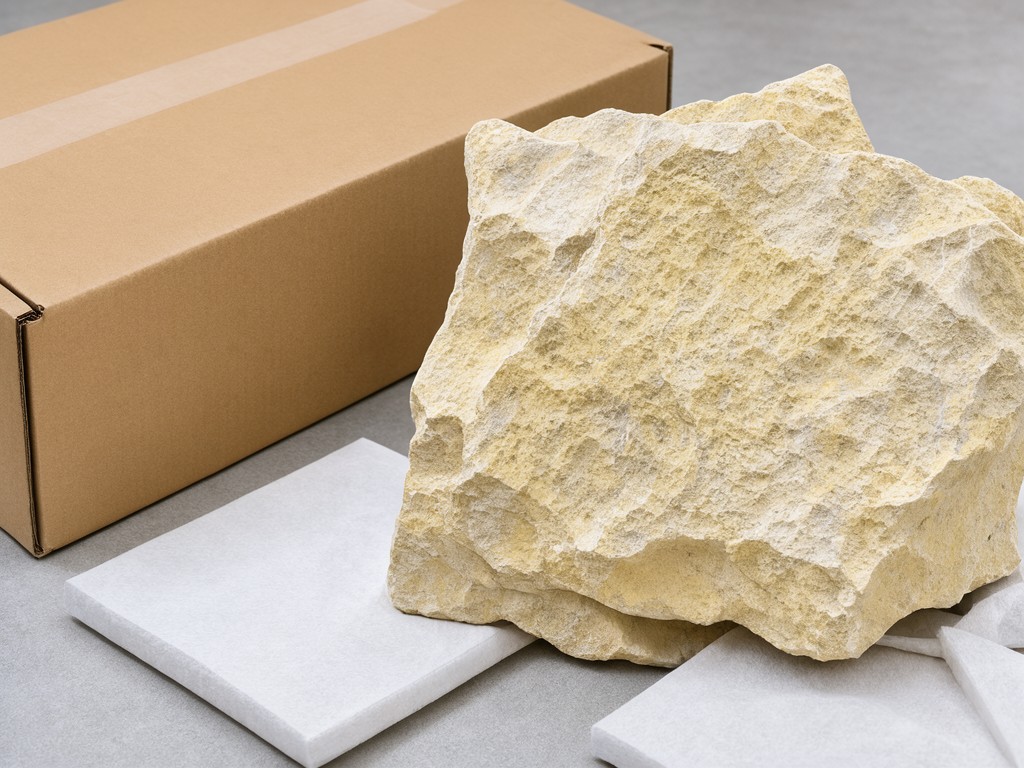
The choice between natural cleft and manufactured stone faces dictates the aesthetic consistency and the maintenance cycle of the facade. Natural stone offers unique variation but requires strict batch tracking to ensure color matching, whereas manufactured alternatives provide uniform pigment density for large-scale commercial projects. We provide panels in varying lengths to accommodate standard architectural heights, reducing the amount of on-site waste by approximately 15%.
| Parameter | Standard Specification | Custom Options |
|---|---|---|
| Stone Thickness | 15mm - 30mm | Up to 50mm |
| Backing Material | Reinforced Polymer Mesh | Aluminum / Steel |
| Corner Angle | 90° Precision Mitered | Custom Bevel |
How to Choose Before Requesting a Quote
Environmental exposure determines the adhesive requirements for the corner panels. In regions with high thermal fluctuation, the coefficient of expansion between the stone and the backing must be compatible to prevent the face from popping off. For interior decorative applications, the focus shifts to weight-to-bond and ease of installation on lightweight substrates.
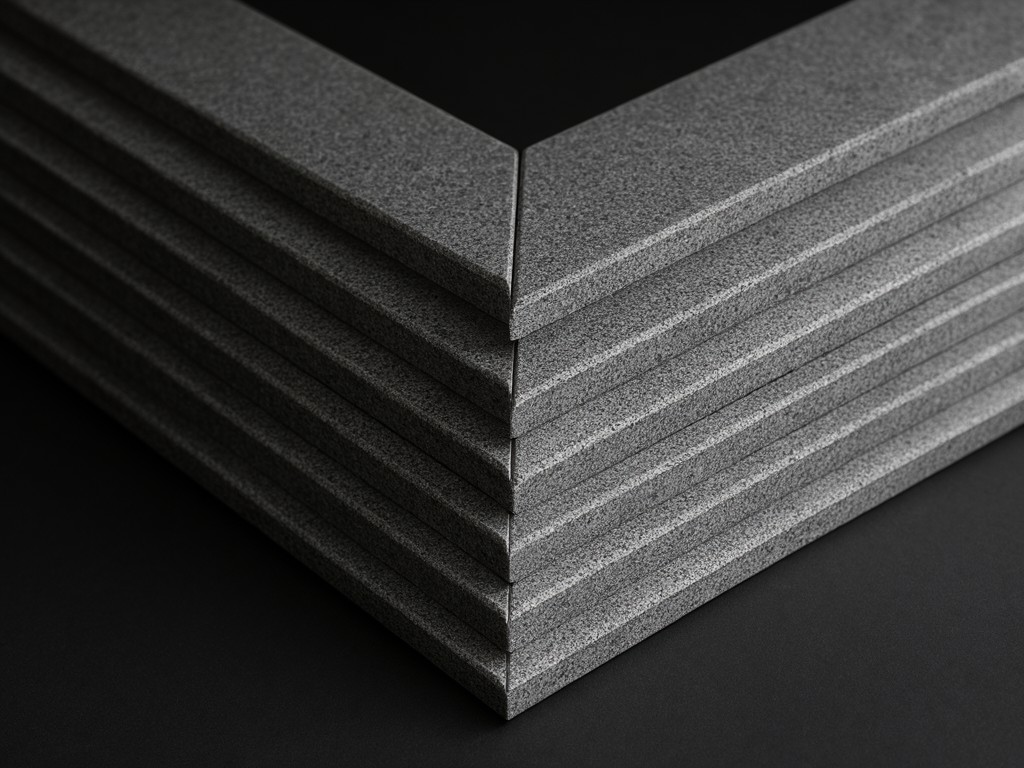
Exterior Grade
Requires UV-stabilized coatings and moisture-resistant backing to withstand frost-thaw cycles. Best for high-rise commercial cladding.
Interior Grade
Focuses on aesthetic variety and lightweight profile. Ideal for hotel lobbies and residential accent feature walls.
Assumptions Buyers Stop Making
A common error in bulk purchasing is neglecting the load-bearing of the corner joints. If the panels are not designed with an interlocking system, the corner line can shift during installation, leading to costly labor over-work. We test every batch for shear strength to ensure the mechanical bond meets the specified load requirements of the architectural plan.
- Standard shipping crates do not account for the fragility of sharp corner edges.
- Color-variance in natural stone is a geological trait, not a manufacturing defect.
- On-site cutting often voids the structural warranty of reinforced mesh panels.
What Gets Checked Before Shipment
Every shipment undergoes a dimensional check to verify that the corner angles remain within the specified tolerance range. We also perform a flatness test across the panel surface to ensure no warping occurred during the adhesive curing process. These steps ensure that when the panels arrive at the site, they can be laid immediately with minimal shimming.
Keeping Repeat Orders
Consistency in material density is the primary reason clients return for subsequent project phases. By maintaining strict control over the raw material sourcing, we ensure that a reorder six months later matches the original installation. This reliability is critical for developers managing multi-phase developments where visual continuity is mandatory.
Questions Ask Before Ordering
What is the lead time for custom-sized corner panels?
Typically 4 to 6 weeks depending on the stone type and the complexity of the miter cut.
Can the panels be treated for water resistance?
Yes, we offer penetrating sealants that reduce water absorption by up to 90% for porous stone types.
What is the minimum order for private label packaging?
Our MOQ is usually 500 square meters to ensure the cost of custom tooling is amortized for the buyer.