Specifying Custom Slate Stacked Stone Cladding Company for Wholesale and OEM Orders
Procuring custom slate stacked stone cladding requires an assessment of natural stone density and mechanical bonding rather than just aesthetic variety. For large-scale architectural projects, the primary failure mode is not the visual variance of the stone but the delamination of thin layers under freeze-thaw cycles. Low-grade slate often exhibits high water absorption rates, leading to spalling that compromises the adhesive bond within three three seasons of exposure.
Scope of Supply
| Parameter | Standard Range | Tolerance Limit |
|---|---|---|
| Layer Thickness | 15mm - 40mm | ± 3mm |
| Face Depth | 20mm - 60mm | ± 5mm |
| Stone Density | 2600 - 2800 kg/m³ | ± 5% |
| Compressive Strength | Min. 30 MPa | N/A |
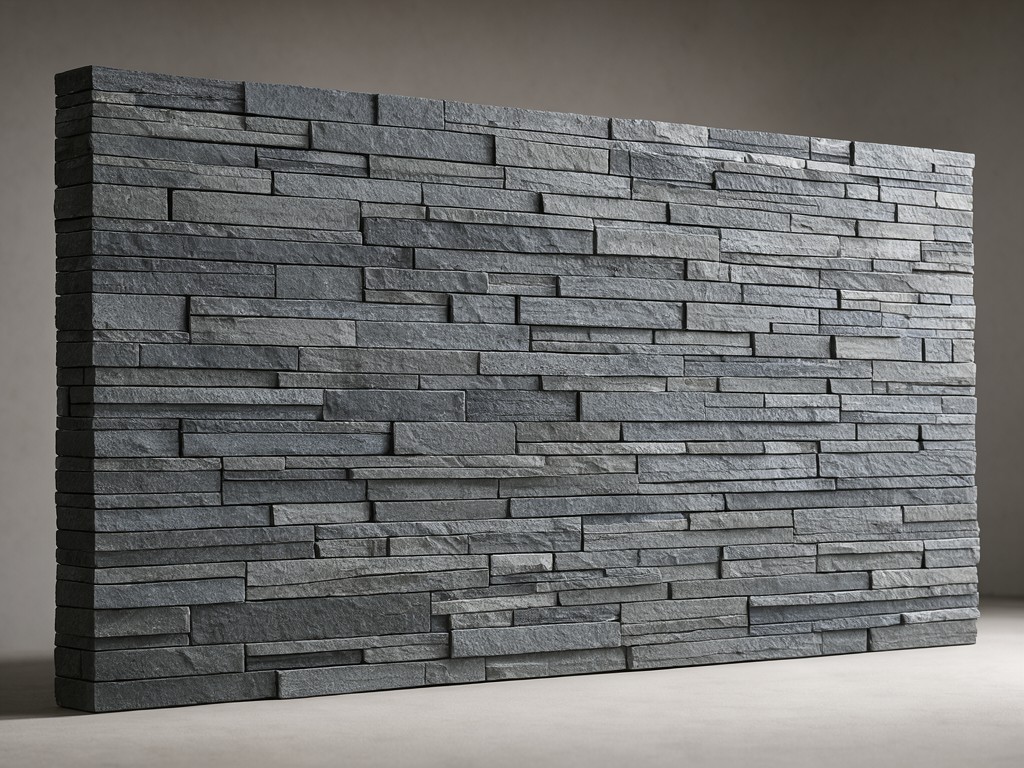
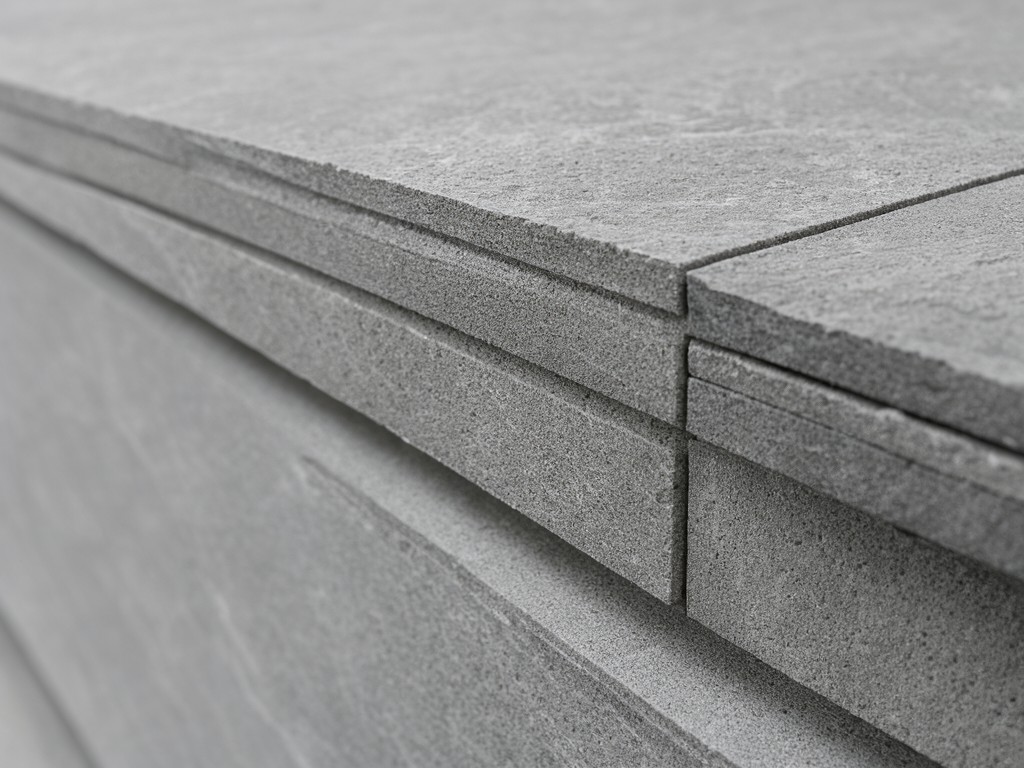
The structural integrity of a stacked stone configuration depends on the precision of the splitting process. Hand-split slate maintains the natural foliation planes of the stone, which provides higher tensile resistance compared to machine-sawcut alternatives. Machine-cut variants often introduce micro-fractures along the blade path that serve as initiation points for structural cracking during thermal expansion.
Design Constraints Behind the Specification
Weight consistency is the primary trade-off between material cost and structural load. While thicker stone layers offer a more pronounced architectural profile, they increase the dead load on the substrate, requiring more intensive use of mechanical anchors. Procurement officers must prioritize reinforced-mesh-backed configurations for high-rise applications to ensure the weight per square meter remains within safety limits.
Mesh-Backed Systems
Utilizes high-grade stainless steel or fiberglass mesh to secure individual slate pieces. Best for vertical facades where adhesive failure is a high-risk variable.
Loose-Stone Systems
Individual stone pieces applied via mortar-set. Ideal for horizontal surfaces or interior features where labor costs are the primary budget driver.
Construction Method and Its Effect
Batch uniformity is managed through color-grading sorting rather than chemical treatment. Natural slate varies inherently in hue; therefore, factory-level sorting ensures that "tonal consistency" is maintained across shipping containers. This prevents visual patchiness in large-scale cladding installations, which is a common cause for project rejection in high-end residential developments.
Measured Performance in Real Use
Environmental exposure tests the stone's resistance to chemical weathering. Unlike synthetic composites, slate is inert to UV radiation, but it is susceptible to acid rain if not properly sealed. We verify stone composition through ultrasonic testing to ensure the mineral matrix does not leach or weaken over decades when exposed to urban atmospheric pollutants.
Application Scenarios
Commercial retail environments often require cladding that can withstand physical impact and frequent mechanical abrasion. When slate is used in high-traffic zones, the surface hardness must be verified to prevent premature chipping. In contrast, interior hospitality applications, the focus shifts to the acoustic properties and the ease of cleaning the irregular-textured surfaces.
Requirements by Segment
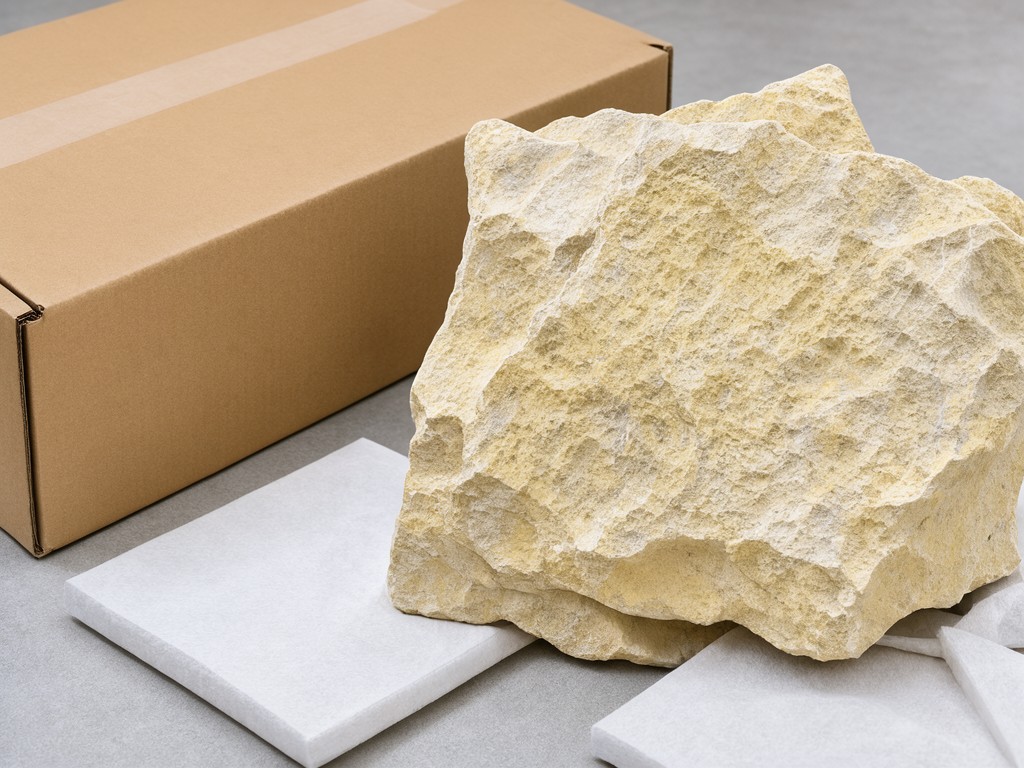
Distributors require high palletization density to minimize freight costs per square meter. This necessitates standardized packaging designs that prevent edge-breakage during maritime transit. Private-label brands often demand custom sizing to fit specific architectural modules, which requires specialized tooling and longer lead times for production runs.
Packing, Marking and Freight Configuration
Logistics for stone are dictated by the center of gravity of the load unit. We utilize heat-treated wooden crates with internal bracing to prevent shifting during sea-freight. Each pallet is marked with traceability codes identifying the quarry origin and batch number, ensuring full accountability for the project's warranty management period.