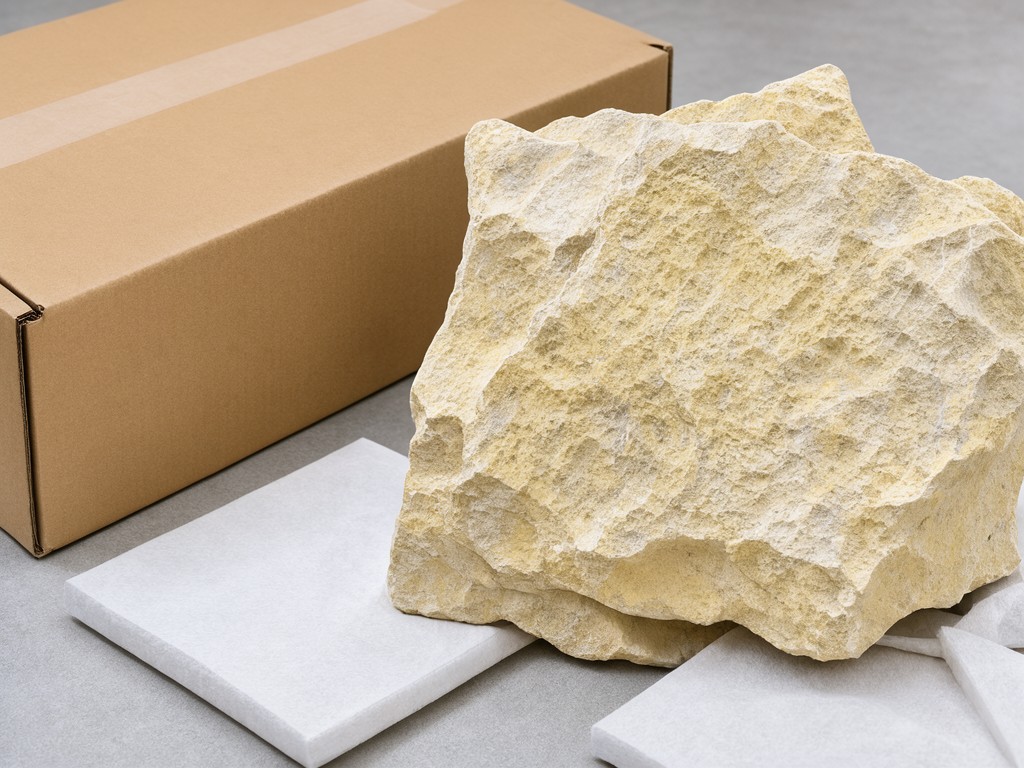
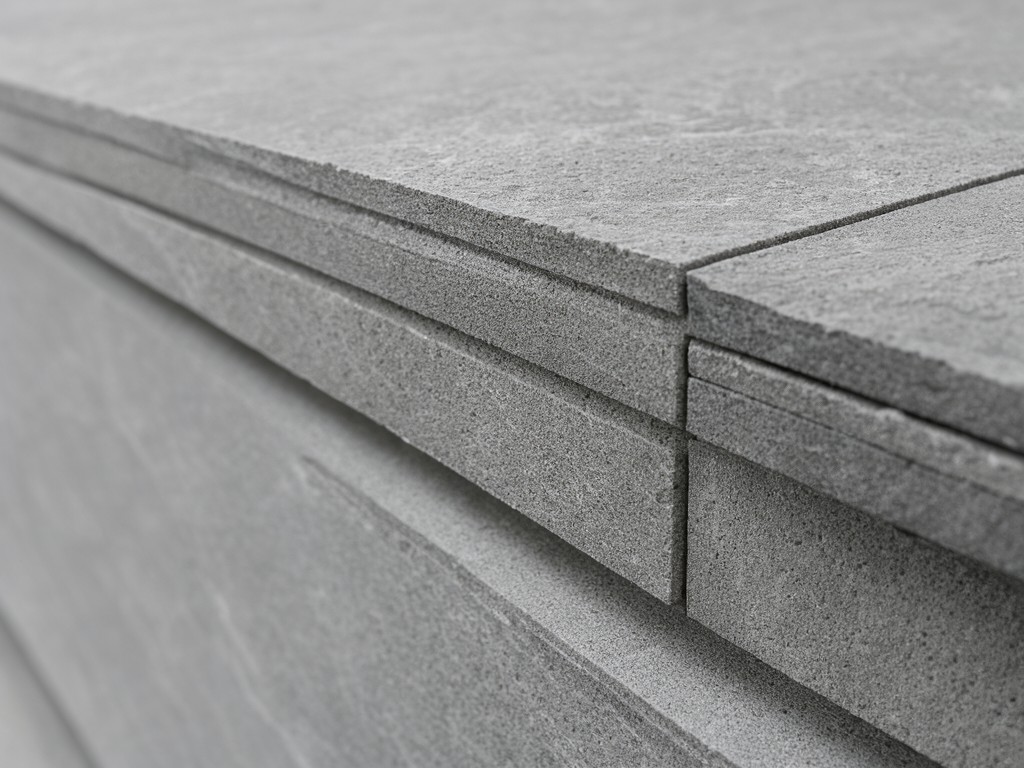
Specifying custom ledger corners manufacturer for Wholesale and OEM
Precision in the geometry of corners determines the structural integrity and aesthetic alignment of the entire masonry assembly. When procurement officers evaluate custom-cut stone components, the primary failure mode is rarely the material itself, but rather the tolerance drift in the 90-degree joint. Inconsistent angles lead to visible gaps that require excessive mortar coverage, which increases labor time and exposes the underlying substrate to moisture ingress.
The Problem Keep Paying For
The trade-off between natural stone variety and engineered consistency often centers on the rate of surface degradation and dimensional stability. Natural-faced corners offer unique visual profiles but are prone to spalling under thermal cycling if the grain is not oriented correctly. Conversely, machine-cut edges provide the flatness required for rapid installation but may lack the impact resistance needed for ground-traffic-heavy commercial facades.
Contractors frequently report "pitting" at the sharp edges of delivered units. This occurs when the cutting process generates excessive heat, causing micro-fractures in the stone matrix that manifest only after installation. To mitigate this, we utilize water-cooled diamond saws to ensure the molecular integrity of the corner point remains intact from factory to final setting.
| Parameter | Standard Range | Custom Options |
|---|---|---|
| Length Increment | 100mm - 1200mm | Tailored to 5mm |
| Width (Depth) | 20mm - 150mm | Variable per project |
| Surface Finish | Honed, Riven, Split Face | Sandblasted, Flamed |
Materials and Construction Trade-offs
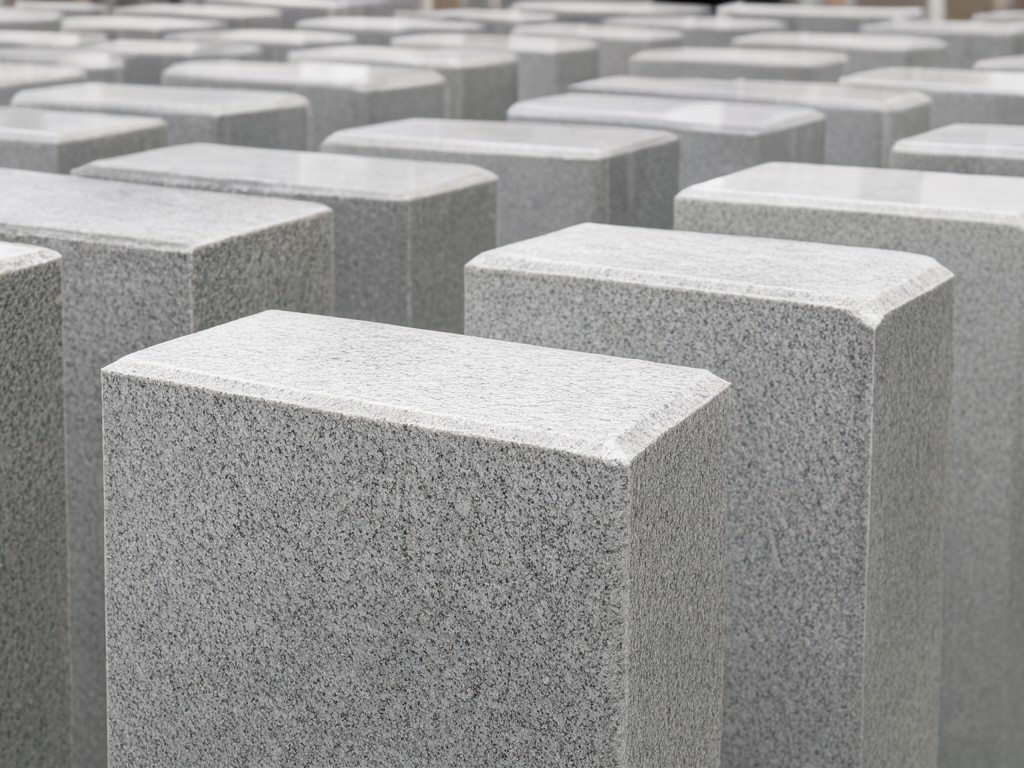
Material selection dictates the maintenance cycle of the project. High-density granites offer superior resistance to salt-crystal crystallization but require specific sealing agents to prevent discoloration in UV-heavy or coastal environments. For interior applications where weight is a constraint, limestone variants provide a more workable surface but demand strict humidity control to prevent staining from moisture penetration.
Weight consistency is another critical factor for logistics and adhesive bonding. A 50mm thick stone corner significantly increases the load on the mechanical anchors or shear-strength thin-set adhesives. We provide weight-per-linear-meter data to ensure your structural engineers can calibrate the support-bearing system accurately.
How to Choose Before Requesting a Quote
Identify the primary exposure environment. If the stone is subjected to high-velocity wind or driving rain, the porosity of the material must be verified via water absorption tests. Lower-porosity stones reduce the risk of frost-wedge cracking, which increases the initial unit cost but drastically lowers the long-term warranty claims for the developer.
- Specify the required joint width for mortar-set calculations.
- Define the edge-profile (square, chamfered, or eased).
- Confirm the batch-matching requirements for color-flow consistency.
- Request structural load-bearing data for large-scale corner units.
Requirements by Segment
Retail-scale residential projects prioritize aesthetic variety and ease of handling for smaller crews. In contrast, large-scale commercial developments shift the focus to palletization efficiency and dimensional uniformity across thousands of linear meters. Our production line adjusts for these needs, ensuring that the first corner delivered matches the color profile and tolerance of the last, even months later.
Keeping Repeat Orders
Reliability in the supply chain is built on batch traceability. By documenting the specific block-origin for every custom production run, we eliminate the "color drift" that often plagues multi-phase construction projects. This transparency allows buyers to reorder specific components later with the confidence that the new stone will integrate seamlessly with the existing installation.
Setup, Use and Tooling
The tooling used in the cutting process affects the final surface quality. We utilize CNC-guided cutting to ensure that the internal faces of the corner are perfectly perpendicular to the external face. This eliminates the need for manual field-cutting adjustments on-site, which is the primary source of material waste in masonry teams.
What is the standard tolerance for the corner angle?
We typically operate at ±0.5 degrees for standard, though we can tighten this to ±0.2 degrees for high-precision architectural cladding upon request.
Can you provide custom-profiled ledges?
Yes, we support eased, chamfered, and bespoke decorative profiles based on CAD files provided by the architectural team.
What is the lead time for bulk custom orders?
Lead times range from 4 to 8 weeks depending on the material availability and the complexity of the requested surface finish.