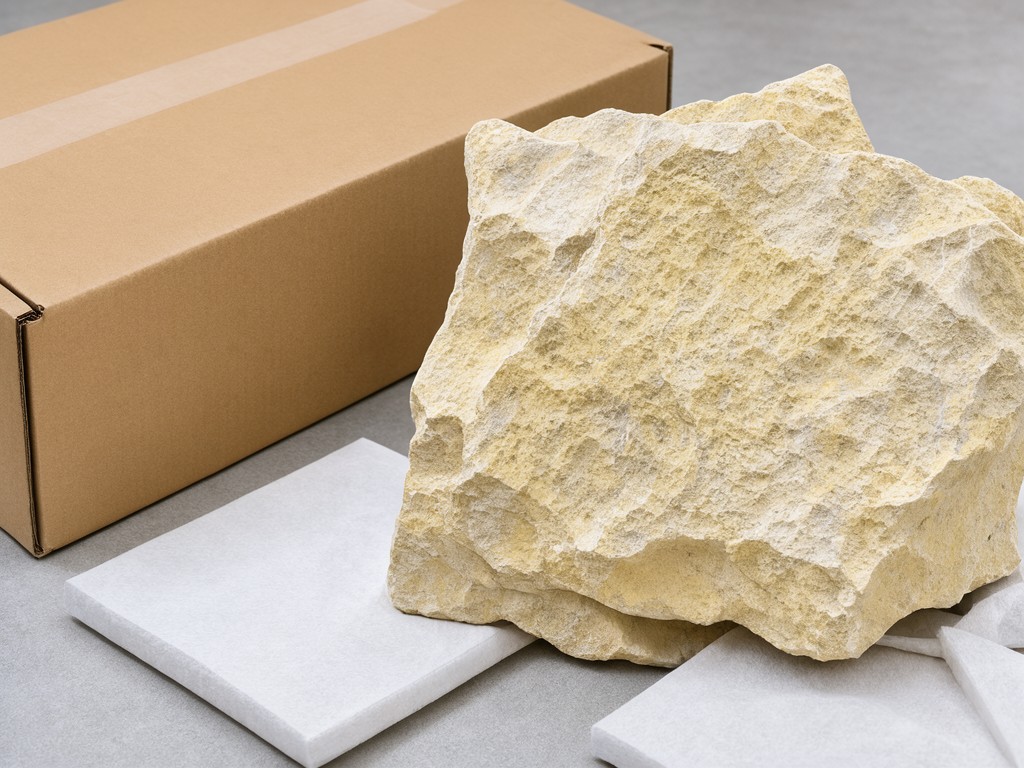
Custom Granite Culture Stone Cladding Exporter: Specification and Batch Standards
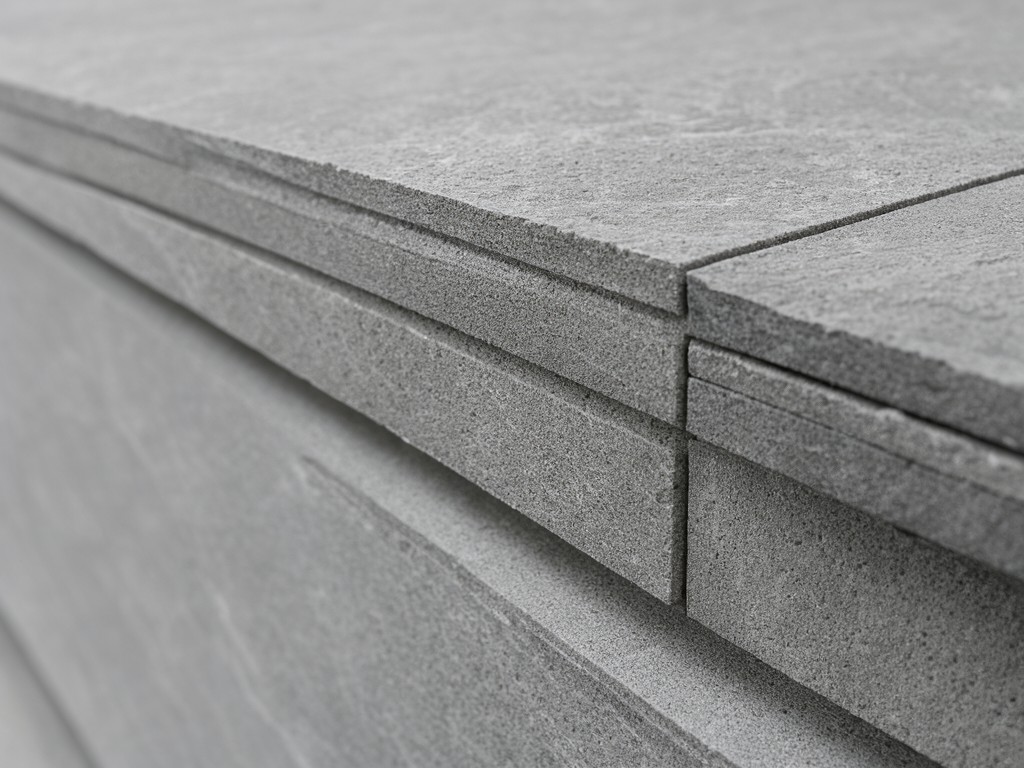
Sourcing custom-engineered cladding requires a balance between the mineral density of the stone and the structural integrity of the composite substrate. When procuring for large-scale projects, the primary failure mode is often thermal expansion mismatch between the granite face and the adhesive-bonded back-layer. Our manufacturing process utilizes a high-pressure resin matrix to ensure the bond remains stable under cyclic fluctuations, preventing the delamination common in lower-grade manufactured alternatives.
What the Design Has to Balance
The trade-off in culture stone production centers on the ratio of natural stone thickness to the total unit weight. A higher percentage of natural granite improves aesthetic authenticity but increases the dead load on the structural frame, potentially necessitating more expensive fastening systems. We provide varying density profiles to allow procurement officers to optimize for weight-per-square-meter without sacrificing the visual depth of the stone-cut.
Surface texture also dictates the moisture absorption rate and maintenance frequency. A split-face or rugged surface provides more surface area, which can trap particulates and promote organic growth in humid environments if not properly treated. We recommend a penetrating sealer for all porous granite varieties to maintain the water absorption rate below 0.5% by weight, ensuring the color remains consistent over years of UV exposure.
Comparing Two Configurations
High-Density Composite Grade
- Optimized for rapid-installation mechanical fastening
- Lower weight profile for interior-limited retrofits
- Uniform color matching across large production batches
- High-impact resistant substrate
Natural Granite Veneer Grade
- Authentic mineral composition for premium exteriors
- Higher thermal mass for natural temperature regulation
- Unique veining patterns for architectural variety
- Maximum resistance to chemical environmental agents
Matching the Product to the Buyer's Need
Commercial developers often prioritize fire-rating and ease of cutting for repetitive facade patterns. In these cases, the cladding must meet non-combustible standards while maintaining dimensional tolerances within ±2mm. For residential private-label buyers, the focus shifts to the tactile feel and the resistance of the finish to salt de-icing in cold climates.
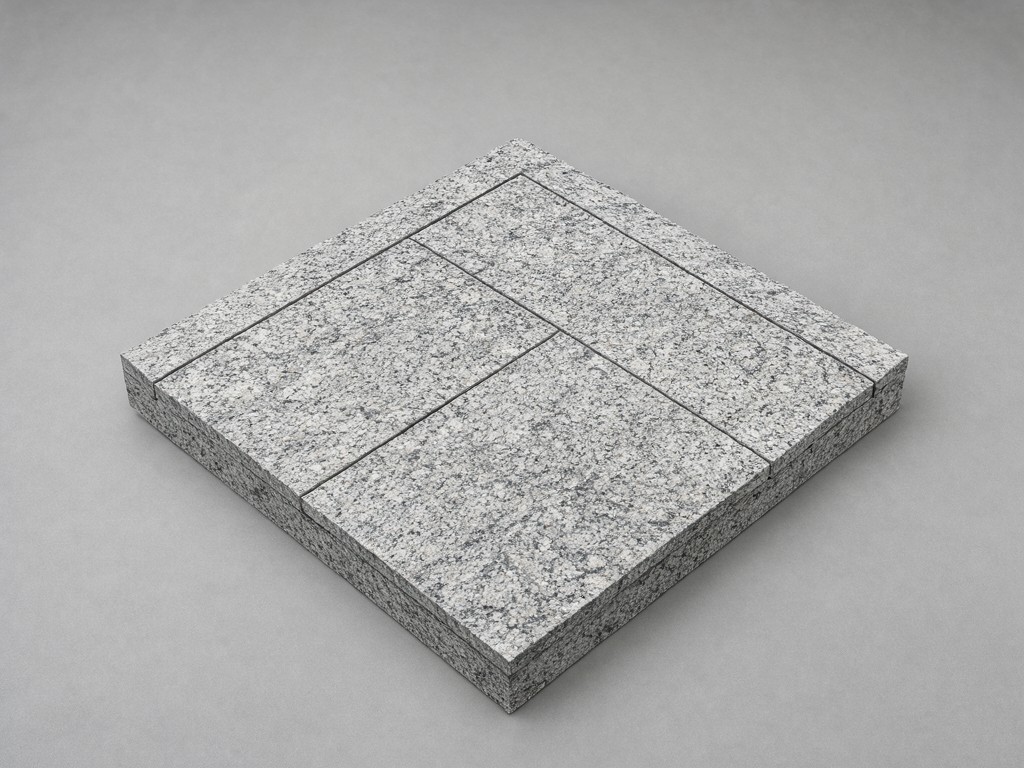
Batch traceability is maintained through a coded-tracking system that links each pallet to the specific granite source quarry and the resin-batch used during production. This mitigates the risk of subtle color drift between different orders, which can be highly visible on a single architectural face.
Stock Availability and Planning
| Parameter | Standard Range | Custom Options |
|---|---|---|
| Panel Width | 300mm - 600mm | CNC-cut |
| Thickness | 10mm - 30mm | Specialized load specs |
| Finish Type | Matte, Honed, Polished | Textured-applied |