Specifying Stone Cladding top Factory for Wholesale and OEM
Structural integrity in stone cladding depends on the mineral density of the substrate and the precision of the mechanical cutting process. When sourcing in bulk for architectural facades, the primary failure mode is variance in thermal expansion coefficients, which leads to joint shearing or adhesive de-bonding. Procurement teams must prioritize consistent thickness tolerances within ±0.5mm to ensure flush alignment across large-scale panel installations.
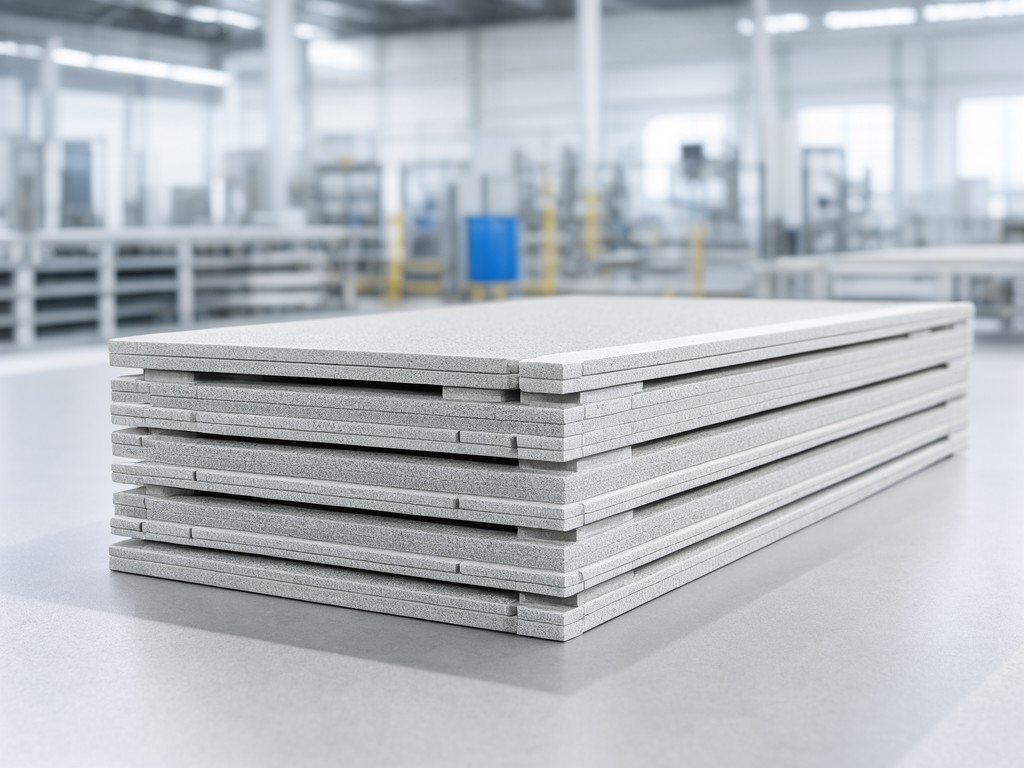
Factory-level production balances the weight of natural stone veneers against the structural load of the mounting frame. Thinner veneers reduce freight costs and mechanical requirements but increase the risk of fracture during transit or onsite handling. Selecting a 12mm to 20mm range typically provides the necessary rigidity for impact resistance without exceeding standard dead-load limits.
How It Performs in Use
| Parameter | Standard Range | Testing Metric |
|---|---|---|
| Water Absorption | < 0.5% | ASTM C97 Standard |
| Flexural Strength | 15-45 MPa | Point of Rupture |
| Flatness | < 1.5mm/2m | Laser Profilometer |
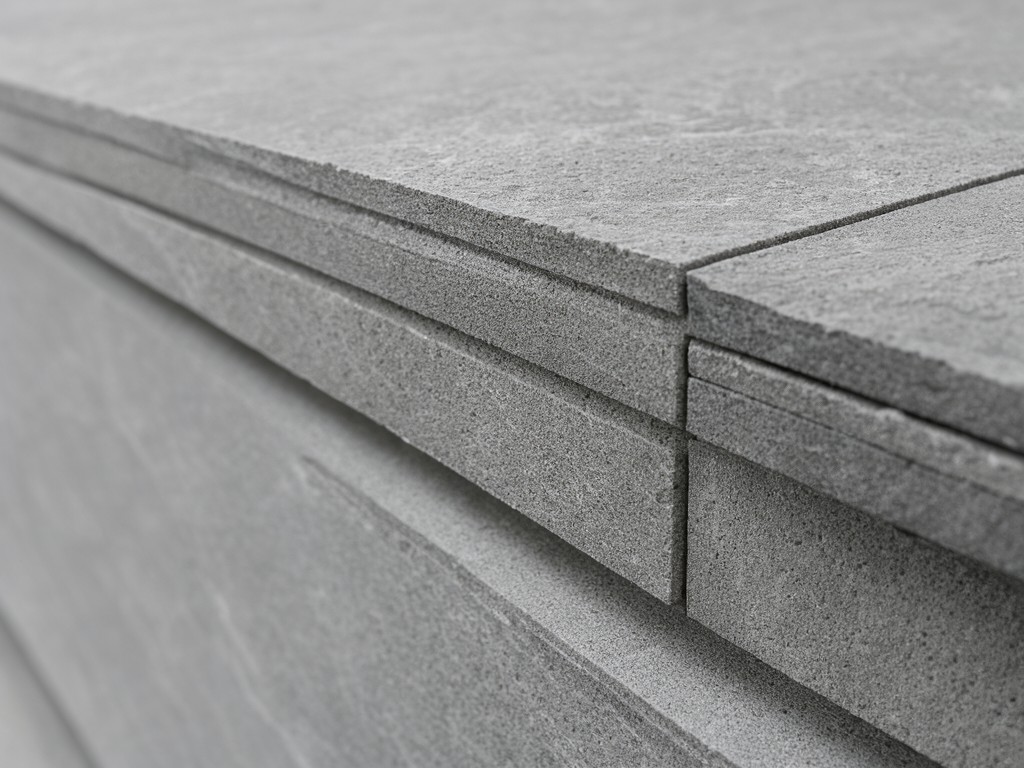
Surface finish consistency is dictated by the grit sequence used during the diamond-tool polishing phase. A honed finish offers higher slip resistance compared to a polished surface, which is a critical safety requirement for commercial exterior cladding. Buyers should verify the batch-to-batch color matching Delta E values to avoid visible visual shifts across a single project site.
Usage Scenarios and Buyer Segments
Commercial developers require cladding with high abrasion resistance to withstand heavy foot traffic and environmental exposure. In contrast, residential luxury projects often prioritize aesthetic variety, where natural veining patterns are valued over absolute uniformity. The trade-off between uniform engineered-grade stone and natural-cut stone directly impacts the final price per square meter.
Industrial Scale
Focuses on fire-rating, chemical resistance, and rapid-deployment capabilities for logistics and transport hubs.
Luxury Retail
Prioritizes tactile texture, custom edge profiling, and exclusive color palettes for premium storefronts.
Segment-Specific Requirements
Environmental conditions dictate the choice of sealant and surface treatment. Cladding in coastal zones requires high resistance to salt-spray penetration to prevent crystallization-induced spalling. Urban environments with high pollution levels demand low-porosity surfaces to prevent the etching of limestone-based materials over time.
- Batch traceability via QR-coding for architectural matching.
- UV-stabilized coatings for colored stone veneers to prevent fading.
- Load-bearing certification for vertical curtain wall systems.
- Custom-sized export crates to minimize edge chipping during international shipping.
Keeping Repeat Orders
Reliable supply chains depend on the factory's ability to manage raw material quarry yields. Large-scale projects require pre-booking blocks to ensure the geological characteristics remain consistent throughout the multi-year construction timeline. Without this inventory lock, the risk of significant color variance between different phases of the build remains high.
Ordering, Tooling and Lead-Time Questions
What is the lead time for custom CNC-cut profiles?
Lead times range from 4 to 12 weeks depending on the complexity of the geometry and the current capacity of the stone mill.
Can you provide material samples for architectural approval?
Yes, 100x100mm swatches are typically dispatched within 3 days of a formal request.
How is the stone packed for international export?
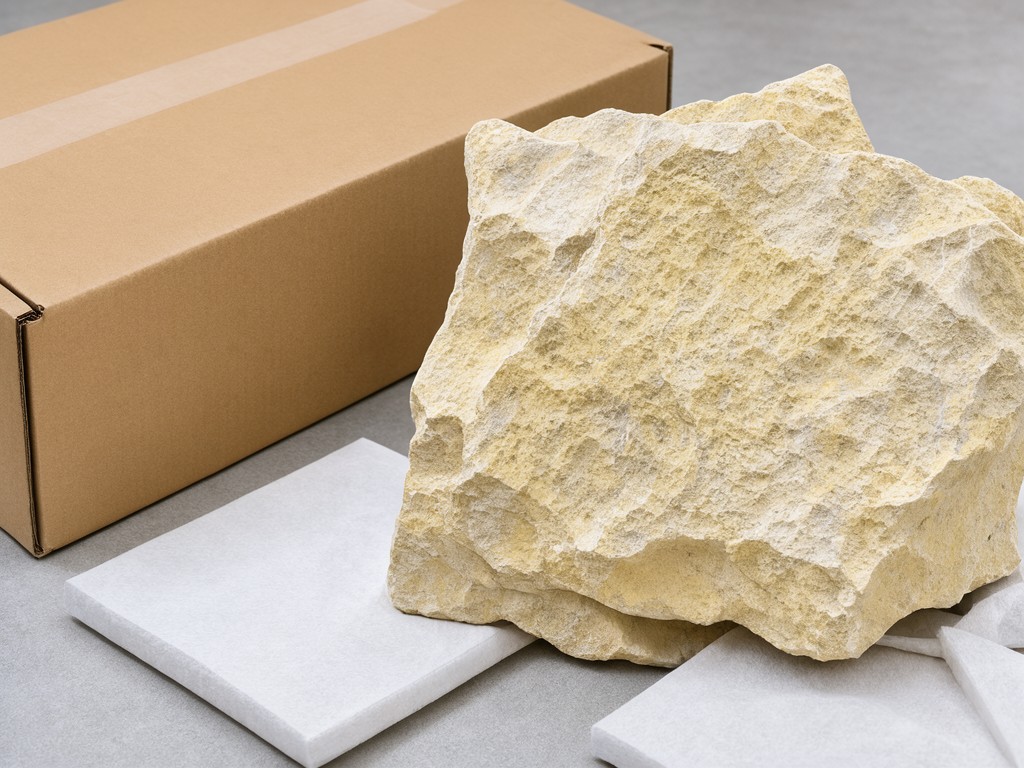
We utilize heat-treated timber crates with internal foam cushioning and reinforced corner bracing to prevent impact-related fractures.