China Slate Stone Cladding Manufacturer: What Buyers Should Check Before Ordering
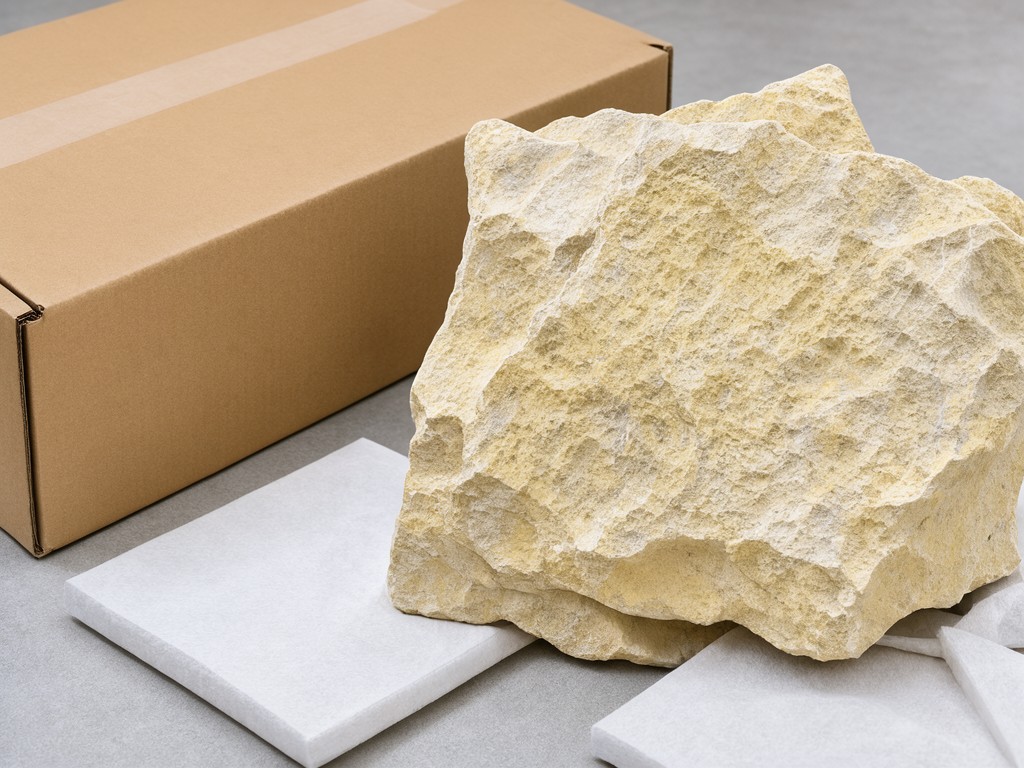
Sourcing natural slate cladding requires an understanding of geological density and cleavage planes rather than just aesthetics. While color variety is common, the primary failure mode in bulk-scale projects is delamination under freeze-thaw cycles. If the stone splitting process is not controlled, internal moisture ingress enters the natural layers, leading to surface spalling when exposed to high-humidity exterior environments.
Technical Note: Water absorption rates must remain below 0.5% by weight for structural-grade cladding used in climates with frequent temperature fluctuations to prevent expansion-induced cracking.
Design Constraints Behind the Specification
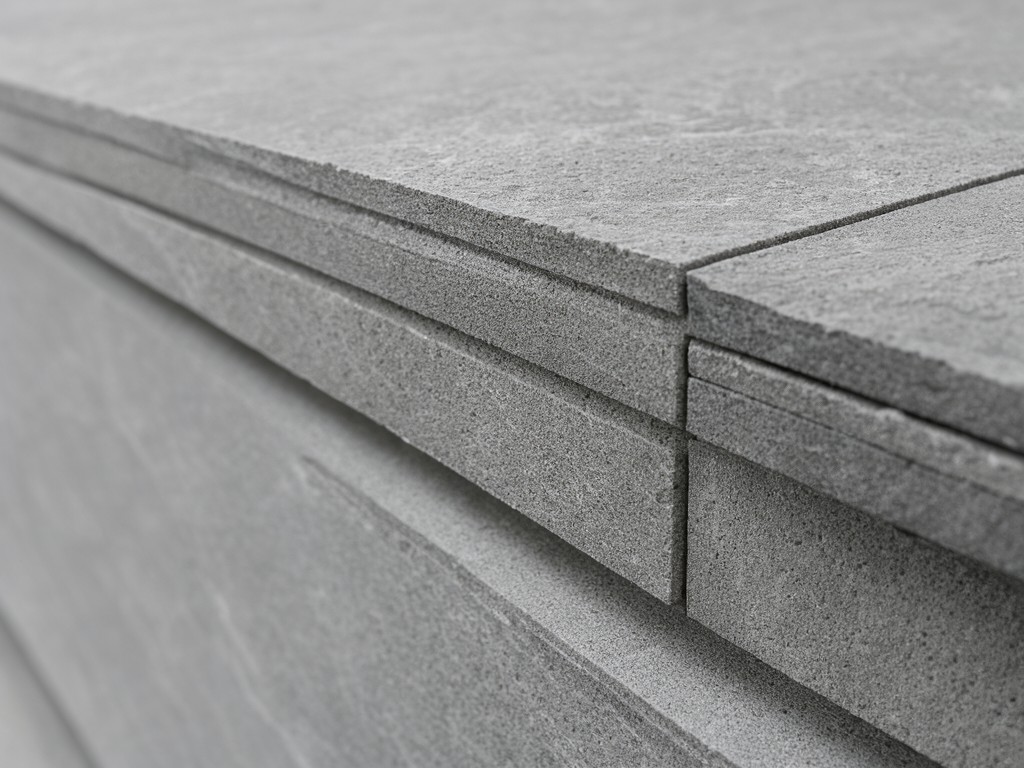
The mechanical thickness of the slate directly dictates the load-bearing requirements for the substrate system. A 5mm thin-split veneer is suitable for interior decorative panels but lacks the structural integrity required for mechanical fixing. For high-rise facades, procurement officers typically specify 15mm to 30mm thickness to ensure the necessary resistance to wind impact and mechanical fastening without fracturing during the installation phase.
Surface finish selection impacts the friction coefficient and maintenance cycle. A natural-split surface provides high surface area, which catches light but also traps dust and organic matter. In contrast, a honed or polished finish reduces the porosity profile but exposes the softer mineral veins of the stone, making it more susceptible to chemical weathering in acidic rainfall environments.
Natural Split Finish
Utilizes natural cleavage lines. Best for projects where organic texture is prioritized over ease of cleaning. Higher risk of moss growth inpitted areas.
Honed/Smoothed
Mechanically ground surface. Ideal for high-traffic commercial zones where uniform color and easy-wash resistance are required.
Specification Range and Customisation
| Parameter | Standard Range | Tolerance Metric |
|---|---|---|
| Material Thickness | 5mm - 40mm | ± 2mm |
| Length Variance | 200mm - 1200mm | ± 50mm |
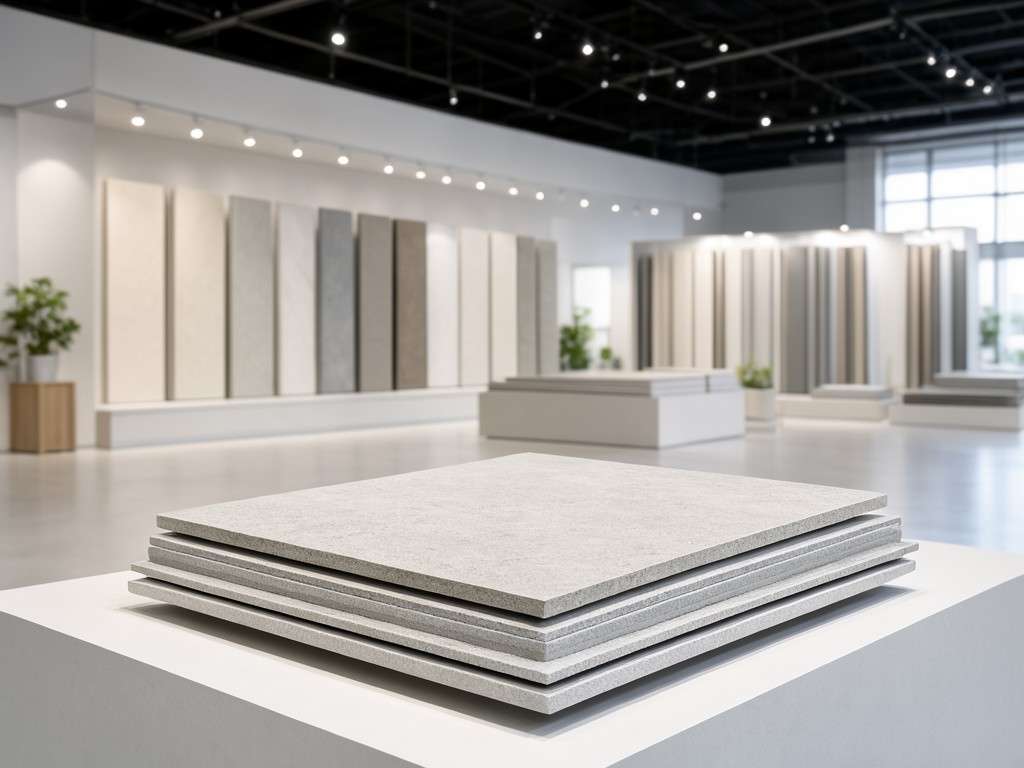
| Density | 2600 - 2800 kg/m³ | ± 5% |
Inspection Items and Test Methods
Batch traceability is maintained through mineralogical mapping of the specific quarry face. We perform ultrasonic velocity testing to ensure the stone block does not contain internal fractures invisible to the eye. If a block shows high variance in sonic density, it is rejected for structural cladding to prevent catastrophic failure during mechanical drilling for installation.
- Water absorption tests to verify the porosity index of the stone matrix.
- Freeze-thaw resistance cycles simulating extreme exposure to check for surface scaling.
- Flexural strength testing to determine the modulus of rupture for thin veneers.
- Dimensional consistency checks to ensure alignment in large-format curtain walls.
Volume Planning and Lead Time
Lead times are dictated by the seasonal extraction rate of the specific slate vein. Large-scale projects require a 6-8 week lead window to allow for batch processing through the splitting and drying phases. Small-order retail quantities can often be fulfilled from existing stock, but color matching across different production batches cannot be guaranteed due to the natural mineral variations.
Questions Ask Before Ordering
How is color consistency managed across multiple shipping containers?
We group material by--tonnage lots, but for critical projects, we recommend sourcing from a single quarry block to ensure the tonal profile remains uniform.
Can the cladding be used for submerged pool applications?
Standard slate is porous; for submerged use, a specific grade with a penetrating sealant are required to prevent mineral leaching and water ingress.