China Sandstone Wall Cladding Factory: What Buyers Should Check Before Ordering
Selecting sandstone cladding requires evaluating the porosity of the stone against the specific mechanical stresses of the installation. High-porosity variants increase water absorption, which leads to surface spalling during freeze-thaw cycles if not treated. Procurement officers must prioritize the density metrics over purely aesthetic variations to ensure the cladding maintains its structural integrity over a 20-year lifecycle.
How It Performs in Use
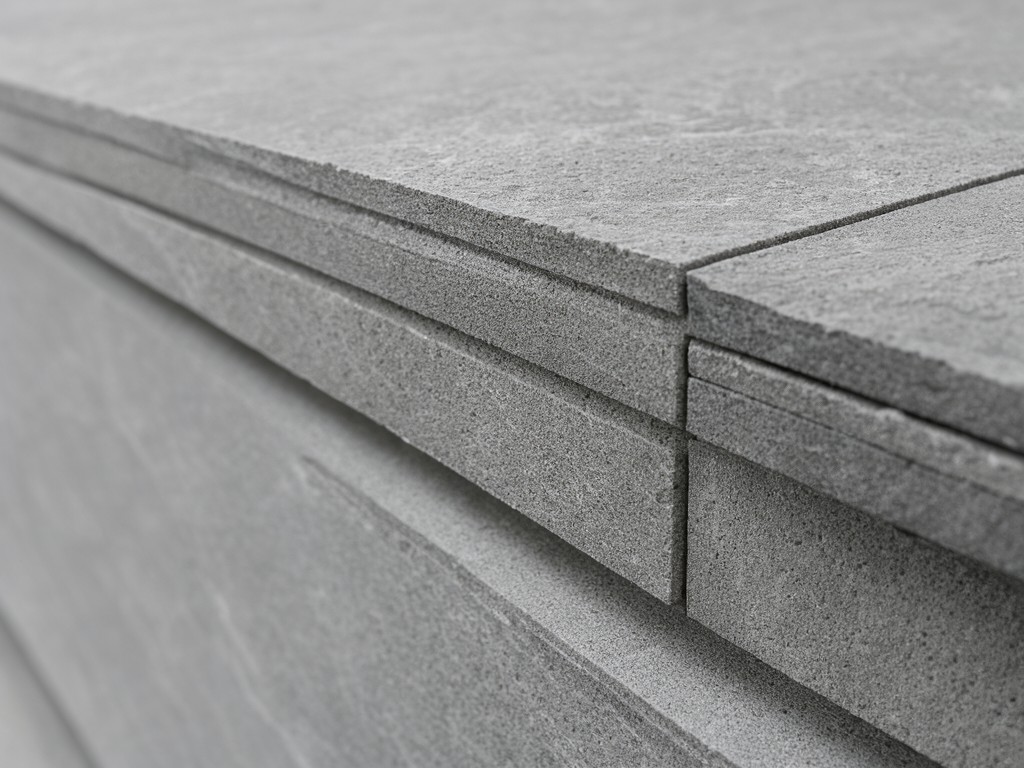
Performance in sandstone cladding is dictated by its compressive strength and resistance to salt crystallization. In high-traffic commercial facades, the split-face finish provides a higher surface area compared to a polished finish, which can trap pollutants and dust. The thickness of the slab must remain consistent within +/- 2mm to prevent uneven load distribution across the mounting system.
- Thermal expansion coefficients must be accounted for in joint design to prevent cracking in large format spans.
- Water absorption rates below 5% are required for exterior-grade cladding to prevent internal pressure buildup.
- Surface hardness measured on the Mohs scale determines the stone's resistance to wind-borne abrasion.
Where This Beats Alternatives
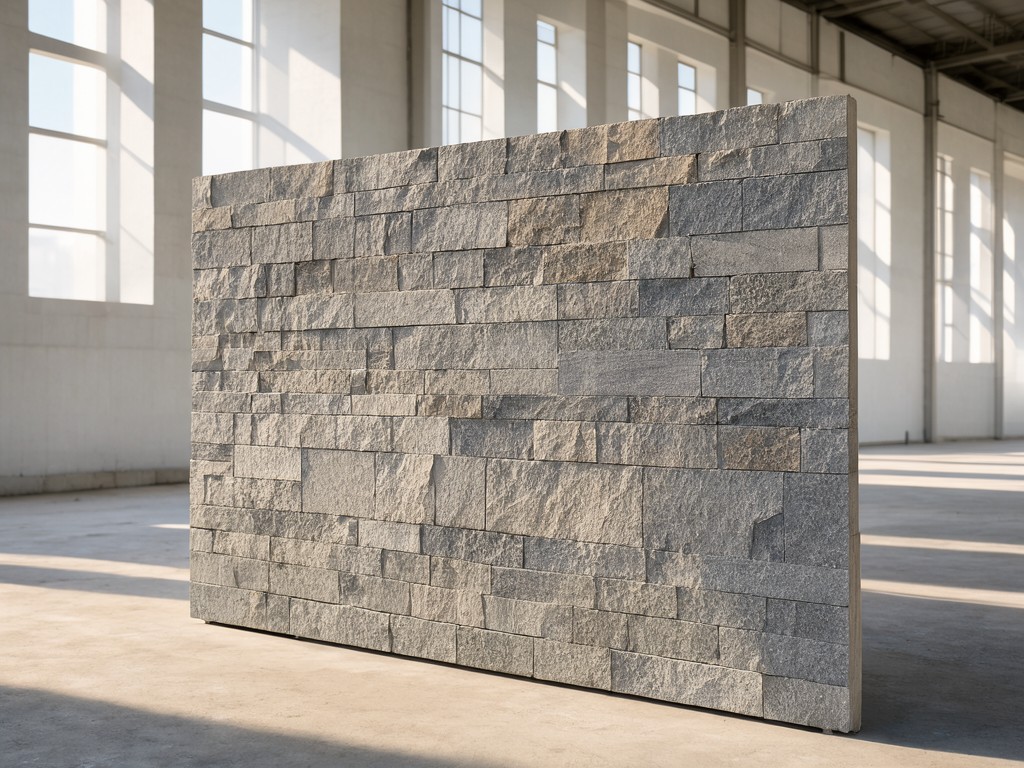
Compared to thin-cut veneers, natural sandstone offers superior thermal mass, helping regulate internal building temperatures. While ceramic tiles offer uniform color consistency, sandstone provides the natural variance required for high-end architectural projects. The trade-off lies in the weight; sandstone requires a robust structural anchoring frame compared to lightweight composite materials.
| Parameter | Standard Grade | Premium Architectural Grade |
|---|---|---|
| Water Absorption | 6% - 10% | < 4% |
| Compressive Strength | 30 MPa | 50+ MPa+ |
| Thickness Tolerance | +/- 3mm | +/- 1.5mm |
Assumptions Buyers Should Stop Making
Many buyers assume all sandstone is equally weather-resistant. In reality, the sedimentary nature means certain layers are prone to rapid erosion if exposed to acid rain. Furthermore, assuming that color matching is possible across different batches is a common error; natural mineral variation ensures hue shifts between different quarry extractions.
Requirements by Segment
- Commercial Developers: Focus on load-bearing capacity and rapid-cut sizing to reduce onsite labor costs.
- Residential Architects: Prioritize specific honed or flamed textures and strict color-variance limits to maintain aesthetic continuity.
- Public Infrastructure Projects: Require pre-sealed stone surfaces to prevent immediate staining from graffiti or environmental-growth.
Inspection Items and Test Methods
To ensure batch consistency, the factory utilizes rigorous testing on every shipment. We measure the saturation coefficient to verify absorption rate and conduct ultrasonic pulse velocity tests. Dimensional checks are performed via laser calipers to ensure the cladding panels fit the architectural grid without excessive field trimming.
Stock Availability and Reorder Planning
Inventory levels fluctuate based on quarry extraction rates. For large-scale projects, a lead time of 6-8 weeks is typically necessary to account for curing and precision cutting. We recommend maintaining a wastage buffer of 10-15% to account for natural stone fractures during the installation phase.
Packing and Marking Configuration
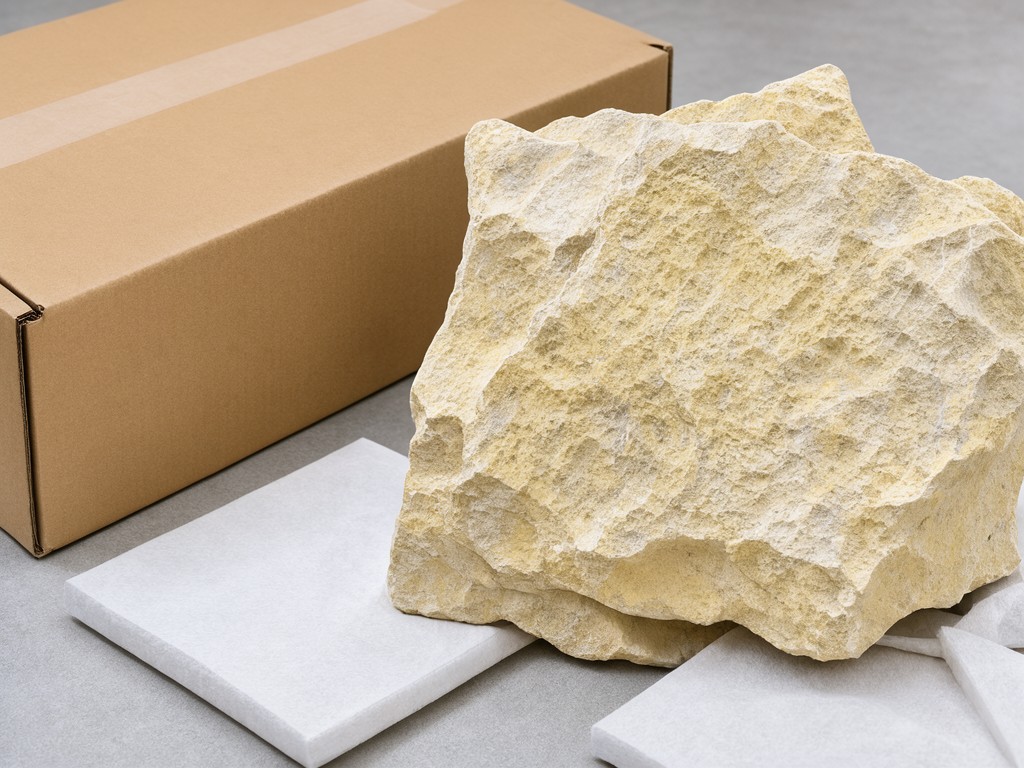
Export-grade packaging utilizes heat-treated wooden crates designed to prevent edge chipping during maritime transit. Each pallet is marked with the batch code, stone origin, and net weight to facilitate traceability. This allows for precise tracking if a specific material defect is identified during installation.
Require technical data sheets or a custom quote for your cladding project?
Contact our technical department for a formal specification review