Specifying Chinastone Cladding Factory for Wholesale and OEM Orders
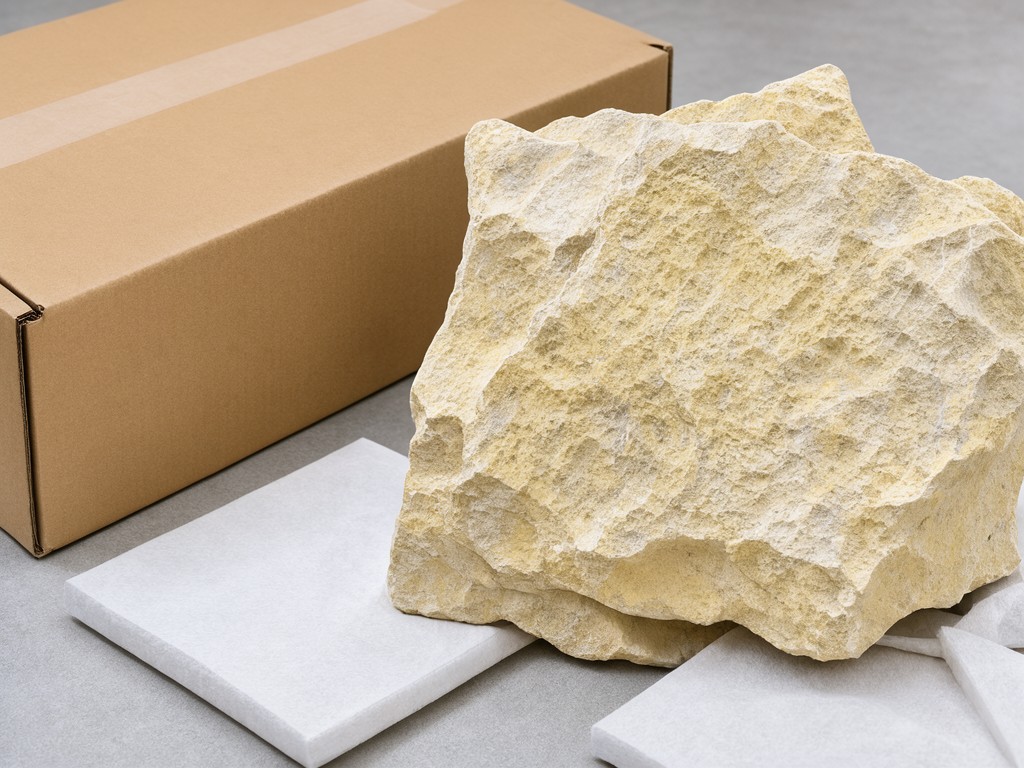
Water absorption rates represent the primary driver of structural failure in stone cladding during freeze-thaw cycles. Selecting porous sandstone leads to surface spalling when internal moisture expands, effectively shearing the decorative face off the stone panel. Procurement officers must prioritize low density metrics over purely aesthetic variance to ensure the facade maintains its integrity over a decade of exposure.
Design Constraints Behind the Specification
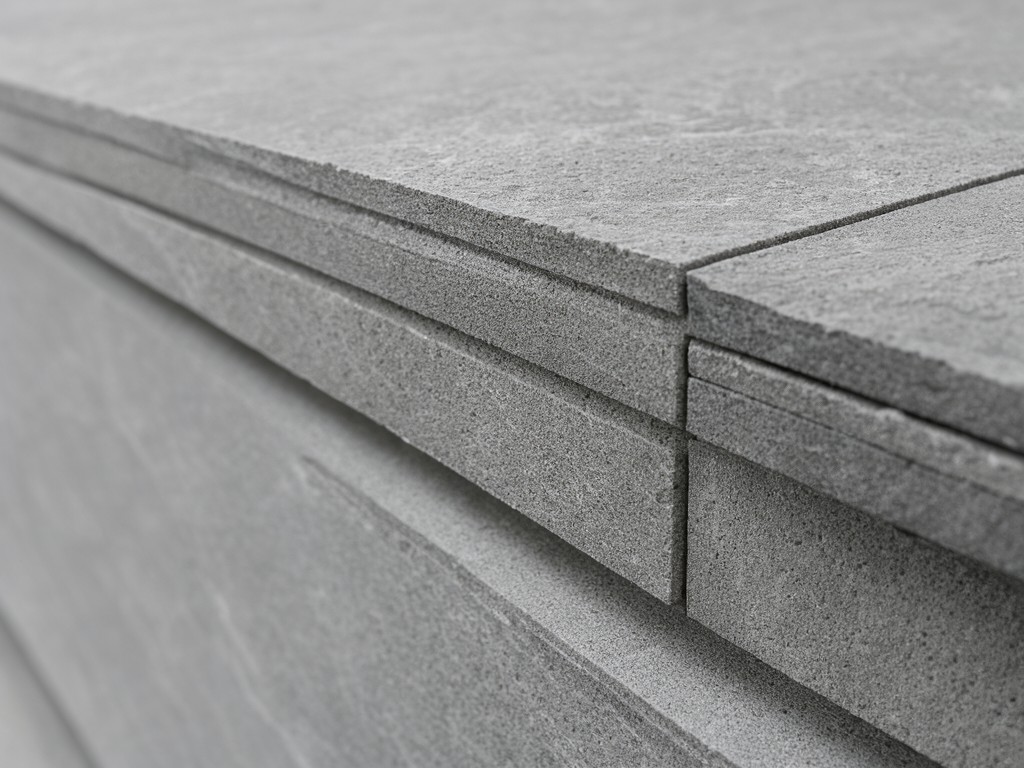
The thickness of the slab dictates the mechanical load on the anchoring system and the weight per square meter. A 20mm panel reduces shipping costs but significantly increases the risk of fracture during impact-heavy installation. Standard project requirements usually demand 30mm or 40mm thicknesses to balance weight-related logistics with the structural rigidity required for high-rise curtain walls.
Technical Note: Load Bearing Capacity
Mechanical-fix installations require sandstone with compatible stainless steel bracket anchors. Adhesive-bonded systems often fail because the de-bonding strength of the substrate varies based on the natural porosity of the stone cut.
What Actually Determines Performance
Compressive strength is the metric that defines the stone's resistance to structural stress. High-quartz content sandstone offers better resistance to abrasion but can be more brittle during the precision-cutting phase. We categorize material based on grain size consistency to ensure the surface does not dust or delaminate under high wind-pressure conditions.
| Parameter | Standard Range | Performance Impact |
|---|---|---|
| Water Absorption | 1.5% - 6% | Prevents freeze-thaw spalling |
| Compressive Strength | 40 - 80 MPa | Resists structural deformation | Bending Modulus | 5 - 15 GPa | Indicates panel flex rigidity |
| Density | 2200 - 2600 kg/m³ | Affects freight and anchoring |
How It Is Built and What That Changes
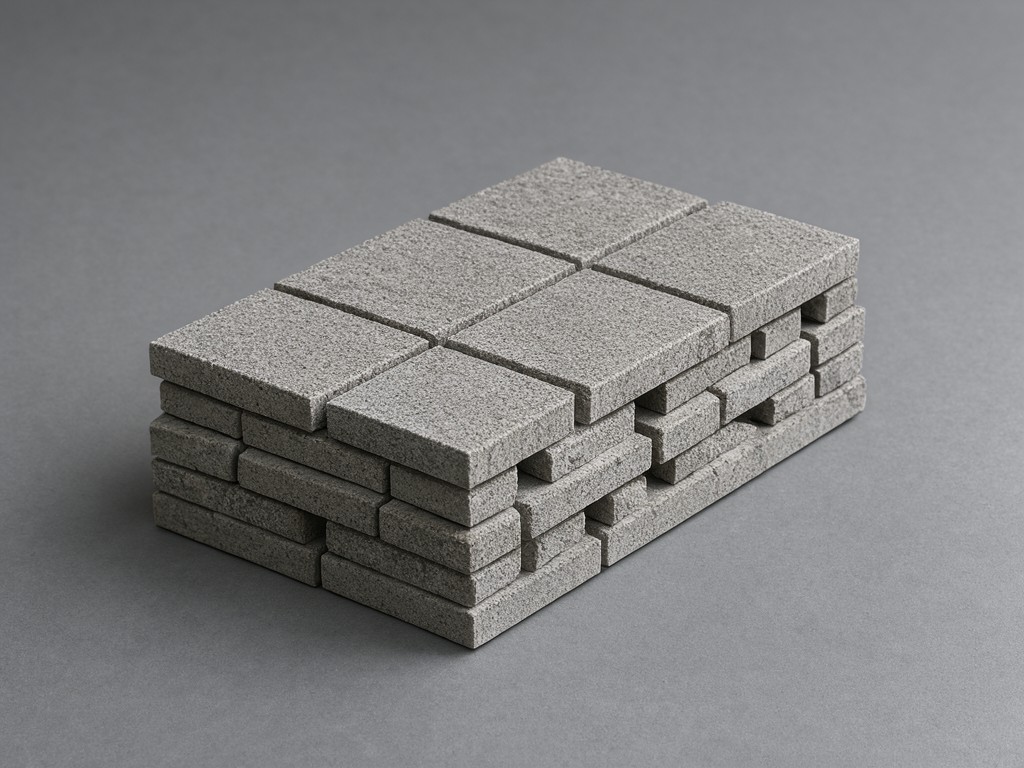
The manufacturing process begins with wire-saw extraction from monolithic blocks to minimize micro-fractures within the stone matrix. Blocks are then processed through bridge saws to achieve dimensional tolerances within +/-1.5mm. The final surface finish—whether honed, flamed, or split-face—changes the effective surface area and dictates the rate of atmospheric pollutant accumulation.
- Flamed surfaces increase friction resistance for slip-resistant exterior cladding applications.
- Honed finishes provide a matte, uniform tone suitable for modern architectural facades.
- Split-face textures preserve the natural bedding plane, offering high-contrast depth.
Option Comparison by Usage Level
Commercial Grade
Optimized for cost-efficiency in bulk projects. Best for interior accents or sheltered areas where extreme UV exposure is limited.
Premium Export Grade
Low-absorption selection with high color consistency. Designed for exposed external façades and high-traffic urban environments.
What Can Be Customised and What Cannot
Custom dimensions and CNC-cut patterns are standard capabilities for OEM orders to fit specific architectural geometries. However, the geological veining and mineral composition of the sandstone cannot be altered once the quarry block is selected. Buyers must accept that natural variance in hue is a characteristic of the material, not a manufacturing defect.
Working as a Production Partner, Not a Catalogue Supplier
Reliable supply chains require batch traceability to ensure color matching across different shipment phases. We provide technical data sheets for each lot to verify that the density and porosity align with the original project's engineering requirements. This prevents the "patchwork" effect often seen in large-scale cladding developments.
Keeping Repeat Orders Supplied
Consistency in material thickness is maintained by utilizing dedicated quarry blocks for recurring clients. This ensures that a reorder placed six months later will integrate perfectly with the existing installation without structural gaps or alignment issues.
Care, Storage and Service Life
Sandstone should be stored on elevated pallets to prevent ground moisture wicking and staining during transit. The service life of a properly installed panel typically exceeds 50 years, provided a breathable penetrating repellent is applied every five years to mitigate staining and biological growth.
Ready to discuss technical specifications for your next cladding project?
Initiate a project discussion