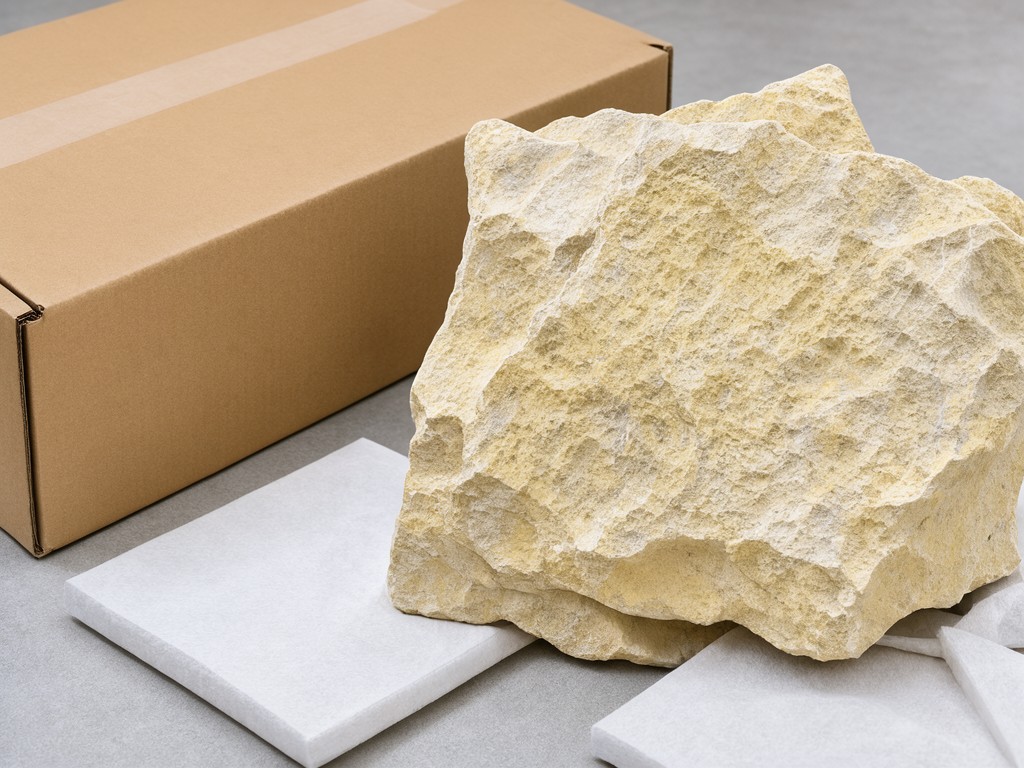
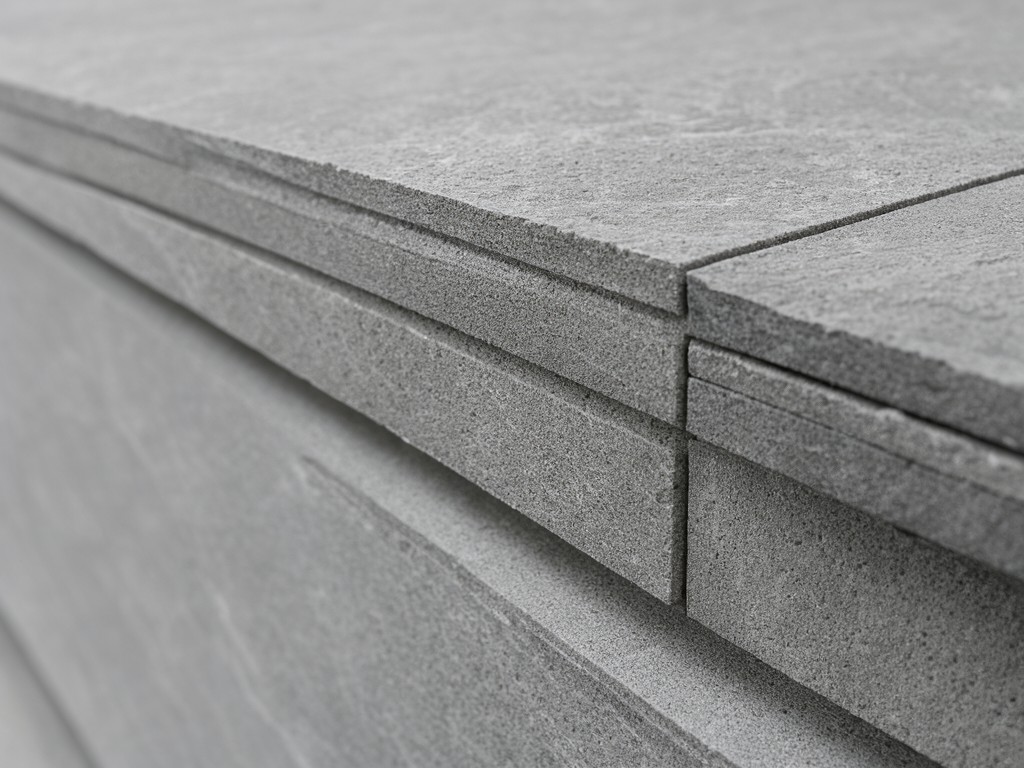
Specifying China Linear Limestone Split Face Wall Tiles Supplier for Wholesale and Orders
Natural limestone wall tiles require a precise balance between geological density and structural integrity for large-scale architectural projects. Unlike honed surfaces, the split-face finish creates a rugged topography that increases surface area, making the material more susceptible to moisture absorption. Procurement officers must evaluate the porosity rate against the mechanical strength of the limestone face to ensure the material does not delaminate during freeze-thaw cycles or installation.
Scope of Supply and Physical Form
The manufacturing process dictates the consistency of the split texture. High-impact splitting methods reveal the natural cleavage planes of the limestone, resulting in a varied aesthetic that mechanical sawing cannot replicate. However, this variation introduces thickness tolerances across a single batch. Buyers typically account for a 3mm to 8mm variance in depth when calculating substrate load and ensuring the final finished plane remains level.
| Parameter | Standard Range | Application Metric |
|---|---|---|
| Face Thickness | 15mm - 40mm | Weight per m² |
| Water Absorption | lt; 5% | Frost resistance |
| Compressive Strength | 30 - 80 MPa | Load-bearing capacity |
What Determines Performance
Material fatigue in split-face tiles often begins at the bond line. If the limestone source has a high clay content, it remains prone to cracking under thermal expansion. Conversely, high calcium carbonate limestone is harder but more sensitive to scratching and chemical staining from acidic cleaners. Selecting the correct quarry origin depends on whether the project is intended for high-traffic pedestrian zones or purely decorative interior cladding.
Batch consistency is the primary failure point for distributors. Because each tile is a natural product, color shifts between different mining runs can disrupt large-scale architectural designs. We utilize batch-level traceability to ensure that the tonal variance within a single purchase order remains within a defined margin, preventing visual mismatches across a large wall area.
Capacity, Tooling and Scheduling
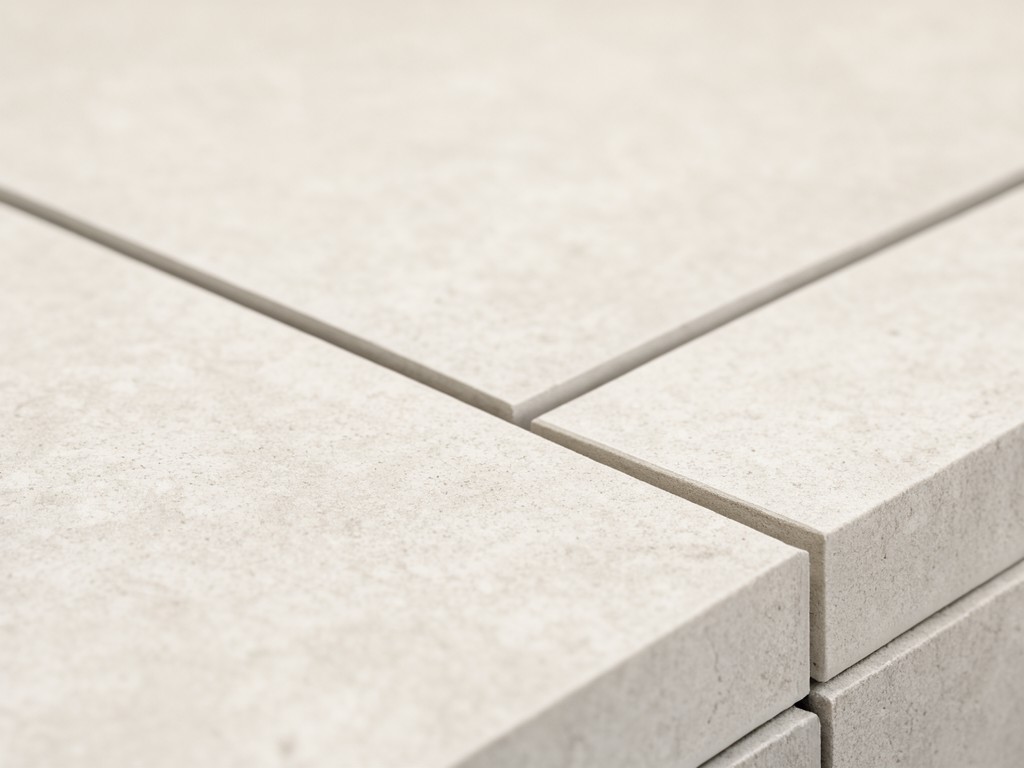
Production volume is limited by the curing time of the raw blocks and the manual-intensive splitting process. Large-scale orders require a staggered schedule to allow for quality selection of specific dimensions. For custom private-label requirements, lead times typically range from 4 to 8 weeks depending on the complexity of the edge profile and split-face pattern.
Standard Dimensions
- 100x300mm linear strips
- 200x600mm mosaic patterns
- 300x600mm large-format split
Finish Options
- Natural rough-split
- Honed back with split face
- Brushed texture
Packing, Marking and Freight
Export packaging for limestone requires reinforced wooden crates to prevent breakage of the split edges. Each pallet is secured with heat-treated wood and internal foam dividers to minimize movement during sea transit. Every crate is marked with batch number, weight, and country of origin to ensure seamless inventory management for the importer upon arrival.
Technical Inquiries
Limestone is naturally UV stable; it does not fade, though the organic matter within the stone may slightly lighten the tone over decades of direct sunlight.
Weight varies by thickness but generally ranges between 25kg and 45kg per m² for 20mm-30mm thick tiles.
Yes, provided the limestone has a low water absorption rate and is treated with a slip-resistant-grade sealer.