China Ledger Panels top Manufacturer - Bulk Supply and Specification Guide
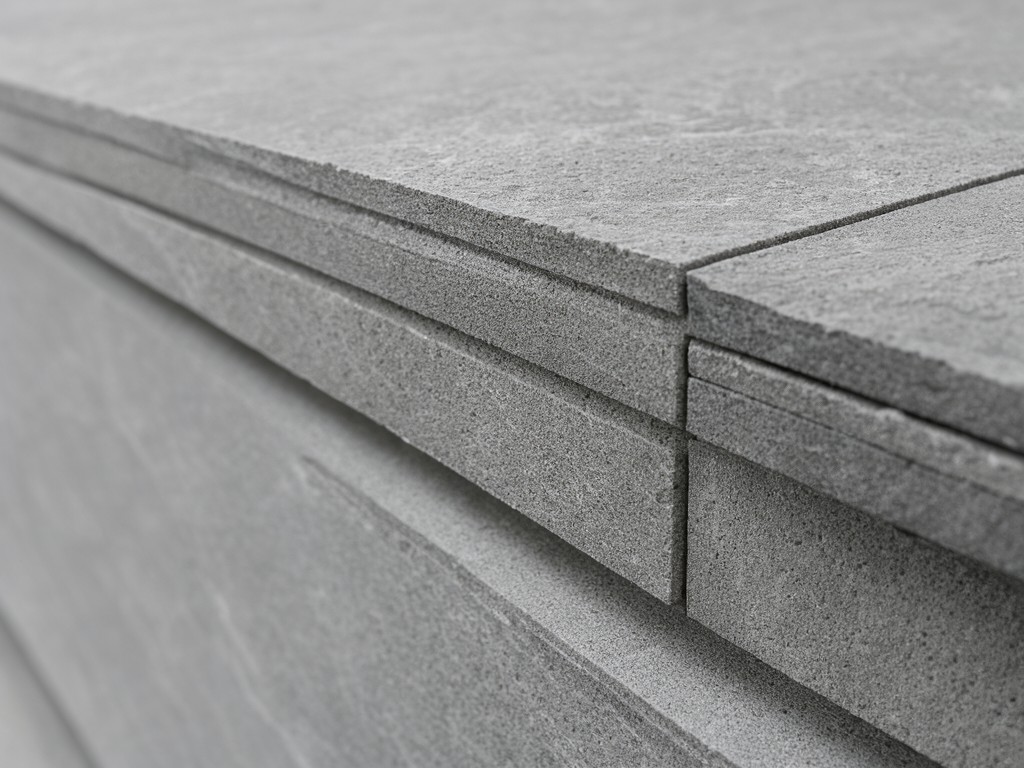
Industrial panel performance depends on the dimensional stability of the substrate and the adhesive integrity of the bonding layers. In high-volume procurement, the primary failure mode is not structural impact but delamination caused by thermal expansion cycles between materials with differing coefficients. We prioritize high-density core compositions to ensure that surface flatness remains within a 0.05mm tolerance across a standard 1200mm span.
Design Constraints Behind the Specification
The relationship between core thickness and shear strength directly dictates the load-bearing capacity of the panel. A thinner profile reduces the overall weight and shipping costs per unit but increases the risk of point-loading failure under mechanical stress. We utilize a cross-lamination layup process to neutralize internal stresses, which ensures the panel does not bow after the initial cut-to-size for field installation.
| Parameter | Standard Grade | Industrial Grade |
|---|---|---|
| Core Density | 650-750 kg/m³ | 850-1000 kg/m³ |
| Surface Tolerance | ±0.3mm | ±0.1mm |
| Moisture Resistance | Standard | High-Pressure |
What Actually Determines Performance
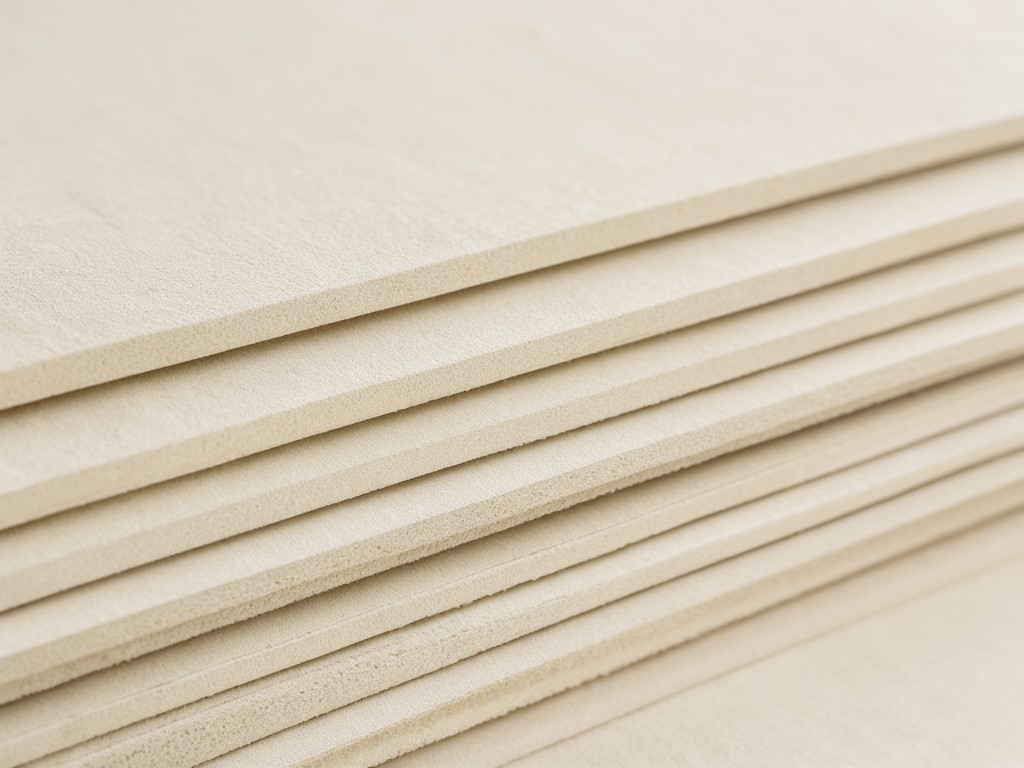
Surface finish determines the longevity of the panel in high-traffic zones. Low-pressure laminates often show abrasion wear after fewer than 5,000 cycles, whereas high-pressure melamine laminates maintain visual integrity under heavy friction. We test every batch using cyclic abrasion testers to ensure the protective coating does not peel from the substrate under mechanical shear.
Materials and Construction Trade-offs
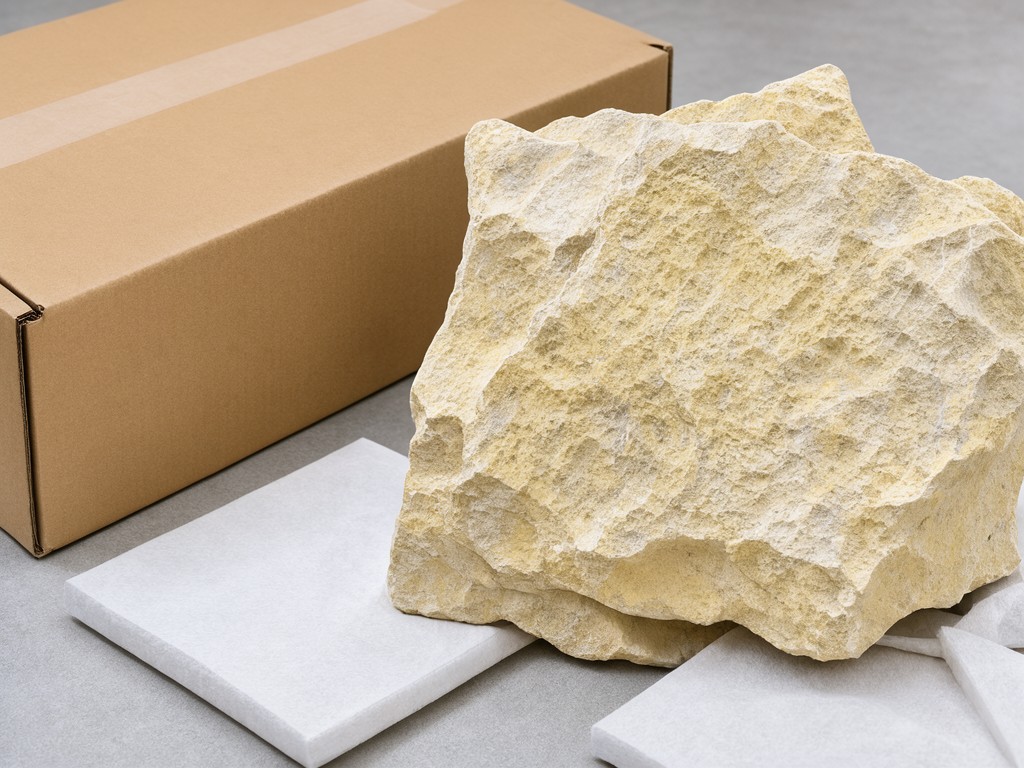
Choosing between mineral-based cores and composite polymers involves a trade-off between fire resistance and impact damping. Mineral cores offer superior fire ratings but are brittle and prone to cracking during transport if dropped. Composite options provide better screw retention and impact resistance but require specific chemical treatments to prevent degradation under direct UV exposure.
Polymer-Core
Best for outdoor environments where moisture resistance and flexibility are the primary requirements. Allows for bending without fracturing.
Mineral-Core
Ideal for interior architectural projects requiring strict fire safety compliance and dimensional stability. Requires careful handling to prevent chips.
How It Is Built
The production begins with vacuum-pressing the core layers to eliminate air pockets that later become voids. These voids are the leading cause of internal structural failure when atmospheric pressure changes. Once cured, the panels are CNC-machined to precise dimensions, ensuring edge-fitment ready for rapid-assembly projects.
Where This Beats Standard
Standard panels often suffer from inconsistent density across the surface, leading to uneven wear over time. Our manufacturing process utilizes ultrasonic density mapping to verify that every square meter of the batch meets the minimum-load specification. This consistency reduces the rejection rate during on-site installation for large-scale commercial fitouts.
Usage Scenarios and Buyer Segments
Procurement managers for commercial infrastructure select these panels for long-term durability where maintenance-intervals are the key metric. Private-label brands utilize our custom surface options to ensure their product aesthetics remain consistent without compromising structural integrity. Distributors benefit from our pallet-optimized configurations, which minimize corner-related damage during trans-oceanic shipping.