china durable limestone culture stone veneer Company: What Buyers Should Check Before Ordering
The build method decides the structural integrity of the facade under thermal expansion and moisture cycles. When sourcing limestone culture stone, the primary failure point is rarely the stone itself but the delamination of the stone face from the substrate. If the limestone is not properly calcined, the high absorption rate promotes water ingress, leading to spalling during freeze-thaw cycles. Procurement officers must evaluate the density of the stone and the mechanical bond of the adhesive layer to ensure the veneer does not shear away after prolonged environmental exposure.
How It Performs in Use
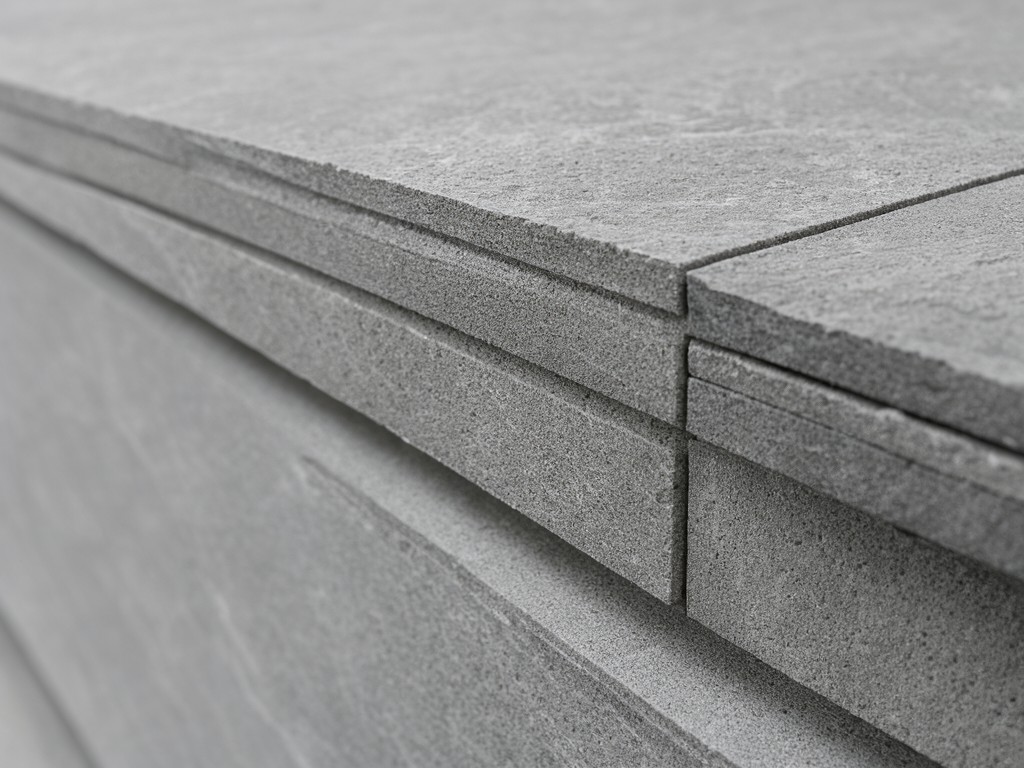
Performance in situ is dictated by how the material reacts to UV radiation and atmospheric pollutants. Limestone is naturally porous; without a breathable penetrating sealer, soot can penetrate the surface, causing permanent staining. In commercial projects, the use of hydrophilic coatings is standard to maintain the natural hue while allowing vapor escape. The surface texture of a fractured limestone veneer provides high diffusion, which reduces solar glare compared to polished surfaces, making it preferable for urban architectural projects.
- Surface abrasion resistance is high for pedestrian areas, but mechanical impact varies with the thickness of the limestone slice.
- Thermal stability is maintained through the low expansion coefficient of the natural stone base.
- Maintenance requires low-pressure water washing to avoid etching the soft carbonate-based surface.
Construction Method and Its Effect on Consistency
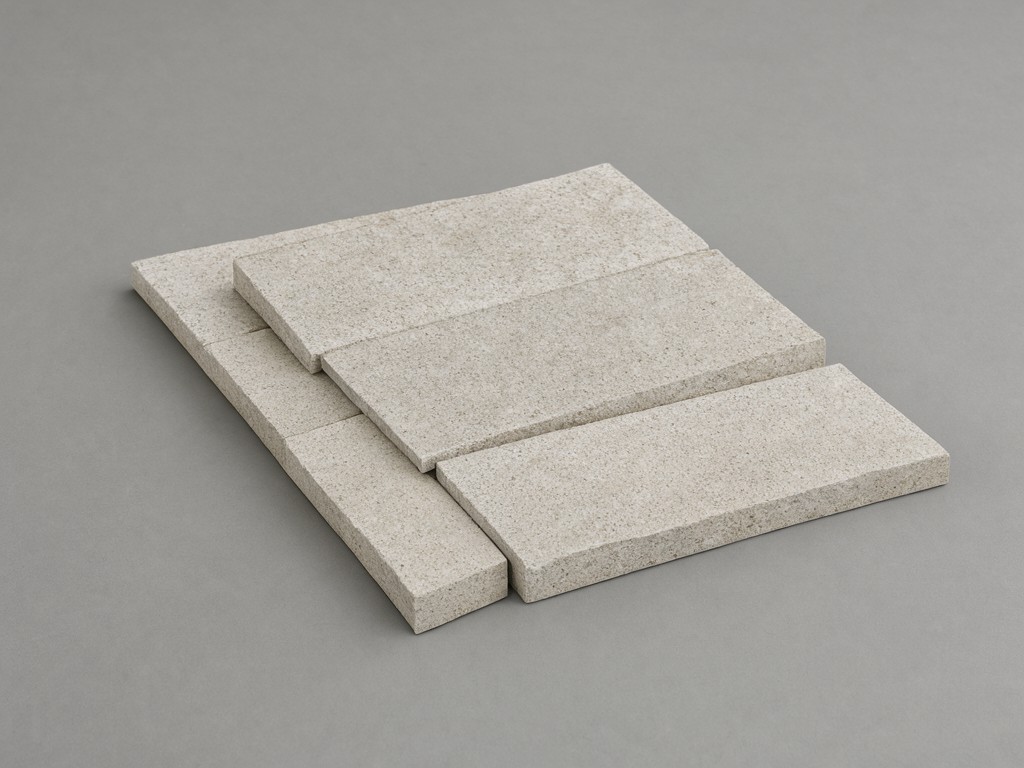
Consistency is set at the forming stage. Traditional hand-split veneer often results in thickness variations of up to 5-8mm, which creates uneven grout lines and complicates mortar consumption. CNC-cut culture stone veneer ensures a uniform profile within ±1.5mm, allowing for precision installation and significantly reduced on-site labor costs. The method of securing the stone—whether through wire-mesh reinforcement or direct-bond adhesive—determines the load-bearing capacity of the veneer system on high-rise curtain walls.
| Parameter | Standard Grade | Premium-Grade |
|---|---|---|
| Stone Thickness | 15mm - 30mm | 10mm - 20mm (Precision) |
| Water Absorption | lt; 6% | lt; 3% |
| Compressive Strength | gt; 30 MPa | gt; 50 MPa |
| Backing | Rough Cut | Reinforced Polymer Mesh |
Where This Product Beats Standard Alternatives
Thin-format porcelain tiles often lack the tactile depth and natural variation of genuine limestone. While tiles offer perfect uniformity, the limestone culture stone provides a thermal mass and organic aesthetic that synthetic materials cannot replicate. For high-end residential developments, the authenticity of the natural stone increases the property value, whereas resin-based alternatives may show signs of UV fading after 10 years of direct exposure.
Matching the Product to the Buyer's Need
Wholesale Distributors
Focus on high-volume pricing and palletization standards. Consistency in color batches is critical here to ensure matching materials across multiple construction sites.
Architectural Firms
Require custom sizing and specific geological color profiles. Technical data sheets regarding weight per square meter are primary requirements for specification approval.
Requirements by Buyer Segment
- OEM Partners: Require private-label packaging and specific mesh backing types for integrated installation systems.
- Retail Retailers: Demand small-format boxes for consumer-ready display and clear SKU-level batch traceability.
- General Contractors: Prioritize ease-of-cut and weight to minimize on-site machinery requirements.
Volume Planning and Lead Time
Production capacity fluctuates based on quarry yield and the seasonal availability of raw limestone blocks. For bulk orders exceeding 5,000 sqm, lead times typically extend to 45-60 days to account for the curing process of the adhesives and rigorous quality control inspections. Planning procurement six months in advance prevents shortages that can stall project timelines during peak construction seasons.
Export Packaging and Handling Protection
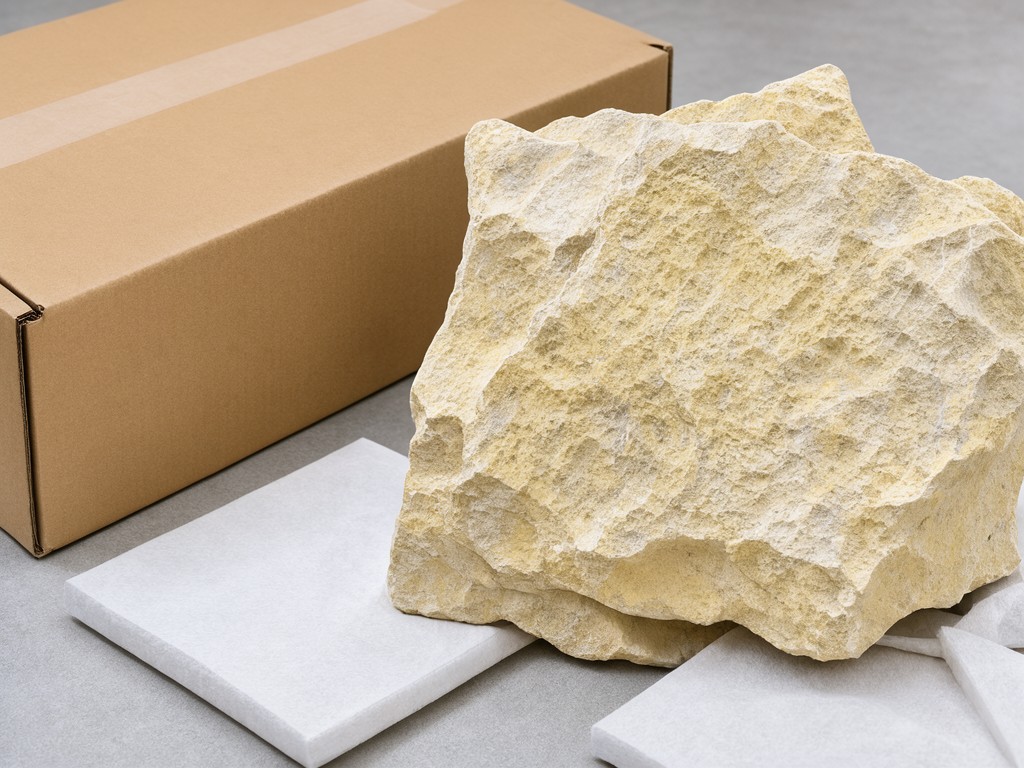
To prevent edge chipping during maritime transit, limestone veneers must utilize heat-treated (ISPM 15) pallets with reinforced corner protectors. Each pallet is wrapped in heavy-duty stretch film to prevent moisture ingress during sea freight. For fragile cuts, custom wooden crates are employed to ensure no shifting occurs between the stone slabs during crane operations at port.
Need technical specifications or bulk pricing for your next project?
Contact our technical team for a custom quote