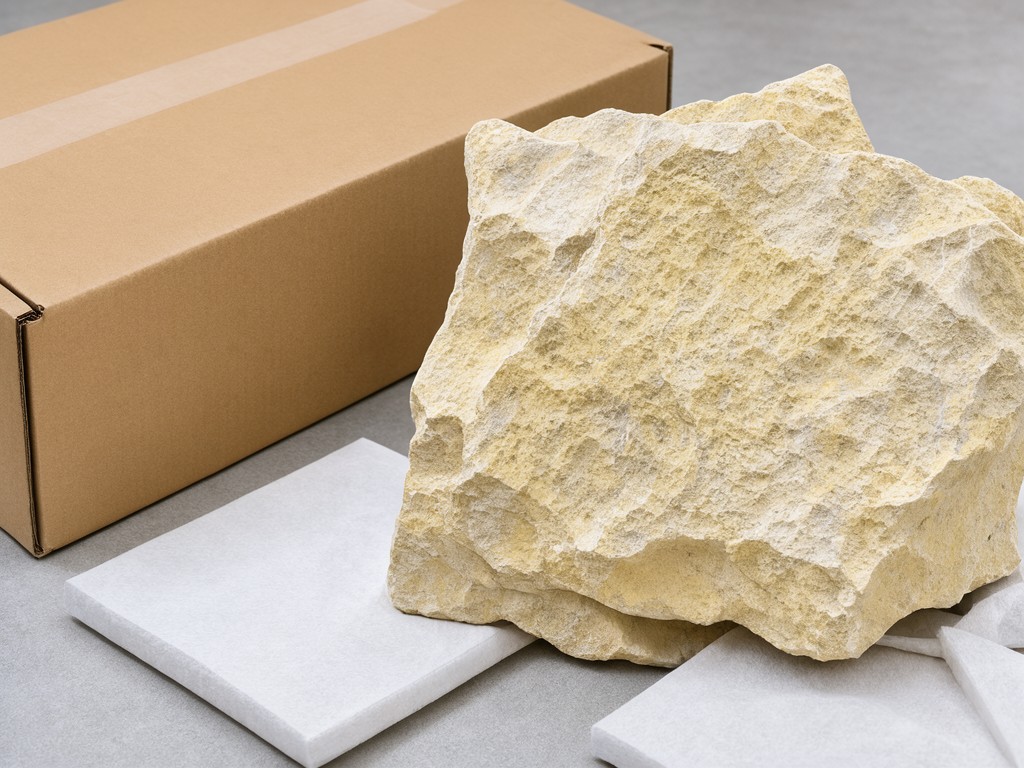
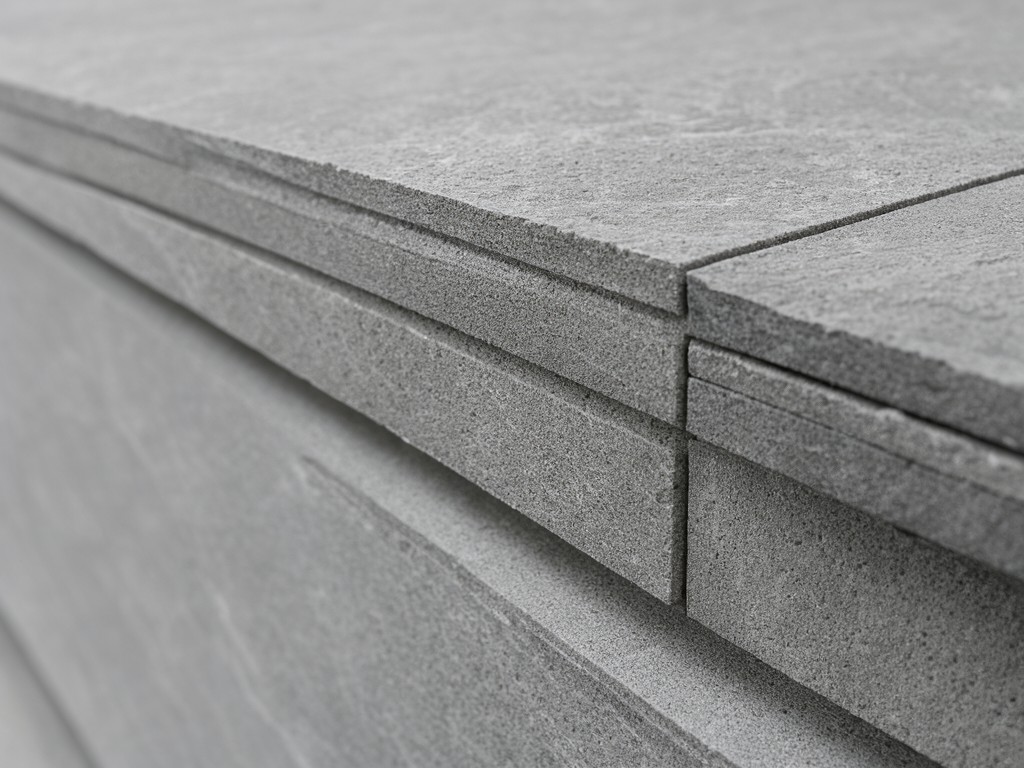
Buy Sandstone Slate Cladding Exporter - Bulk Supply and Specification Guide
Sourcing natural stone requires a precise understanding of mineral density and porosity rates. For large-scale architectural projects, the primary trade-off exists between the aesthetic variance of natural-cut sandstone and the structural uniformity of honed slate substrate. Our extraction process focuses on maintaining consistent dimensional tolerances across batches to ensure that dry-lay installation proceeds without excessive mortar adjustments or labor-intensive trimming.
Inconsistency in stone thickness often leads to spalling when exposed to freeze-thaw cycles. We mitigate this by monitoring moisture absorption percentages during the curing phase, ensuring each shipment meets structural integrity requirements. By selecting strata with a high silicates content, we reduce the risk of surface delamination that frequently plagues importers in high-humidity exterior environments.
Measured Performance in Real Use
The longevity of stone cladding is dictated by its compressive strength and resistance to salt crystallization. High-traffic commercial facades demand a material with a low abrasion rating to prevent surface thinning from wind-borne particulates. Our testing protocols provide batch-specific data on mineral hardness, allowing procurement officers to forecast maintenance cycles over 10 to 15 years of environmental exposure.
| Parameter | Standard Grade | Reinforced Grade |
|---|---|---|
| Water Absorption | < 3.5% | < 2.0% |
| Compressive Strength | 40-60 MPa | 80+ MPa |
| Surface Finish | Natural Split / Hononed | Polished / Beveled |
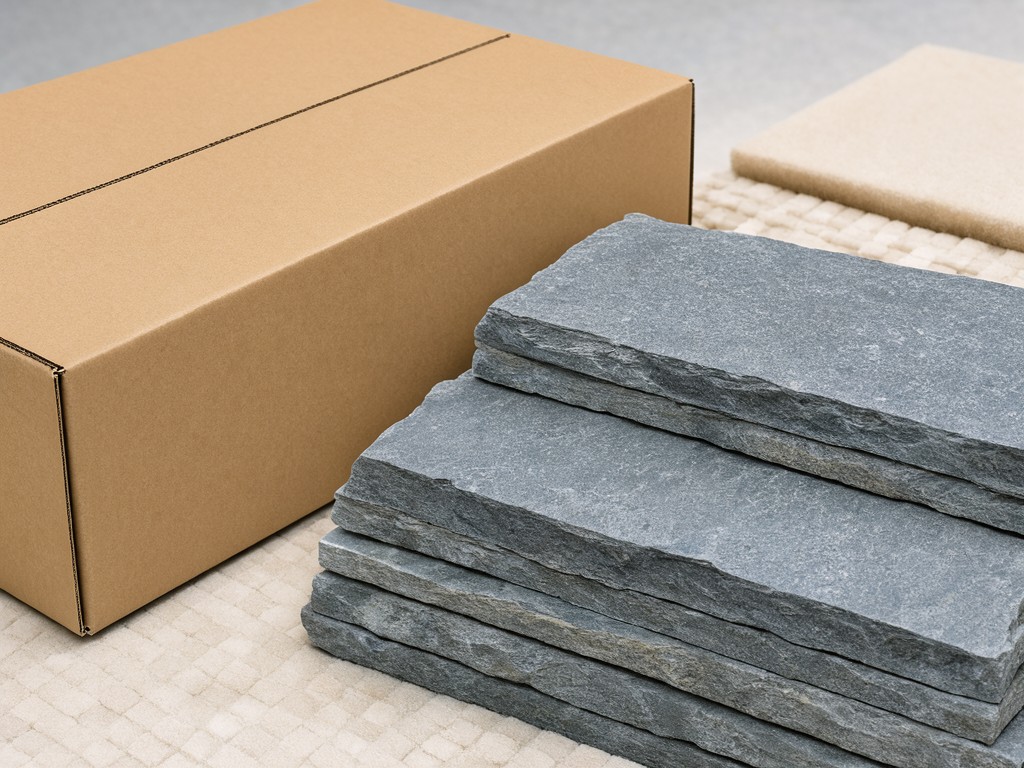
Comparing Two Configurations
Natural Split Sandstone
Best for rustic applications where textural variance is prioritized. The irregular surface profile provides high mechanical interlock but requires higher-quality sealant to prevent deep staining from organic growth in the crevices.
Honed Slate-Base
Optimized for modern facades requiring geometric precision. The flat-plane surface reduces installation time and offers a predictable light reflection, making it ideal for rapid-build commercial developments.
Quality Control and Batch Consistency
Batch traceability is maintained through QR-coded palletization and mineral mapping. This ensures that color-matching remains consistent across a single project phase, preventing visual breaks in large wall spans. We utilize ultrasonic testing to detect internal fractures that are invisible to the eye but could lead to structural failure under stress.
- Ultrasonic pulse velocity for internal void detection.
- Colorimetric delta-E analysis for shade-matching consistency.
- Dimensional tolerance checks (+/- 1.5mm variance).
- Salt spray resistance testing for coastal project specifications.
Stock Availability andorder Planning
Logistics for heavy stone require heat-treated timber crating to prevent breakage during maritime transit. We maintain buffer stocks of the most common format dimensions to reduce lead times for reorders, though custom-cut private-label orders require a 6-week production window to account for the specific cutting and curing cycles.
Packing, Marking and Freight
Each shipment is documented with weight distribution per container to meet crane capacity and maritime safety standards. Packaging includes moisture-barrier wraps to prevent mineral leaching during transit, ensuring the sandstone slate cladding arrives at the site with zero-edge loss.
Frequently Asked Questions
Is the stone suitable for radiant heated floors?
Yes, provided the water absorption rate is below 2% and the sealant is applied to prevent thermal expansion cracking within the stone matrix.
What is the minimum order quantity for custom dimensions?
Standard wholesale orders start at 50 square meters, while custom CNC-cut specifications require a quote based on machine setup time.