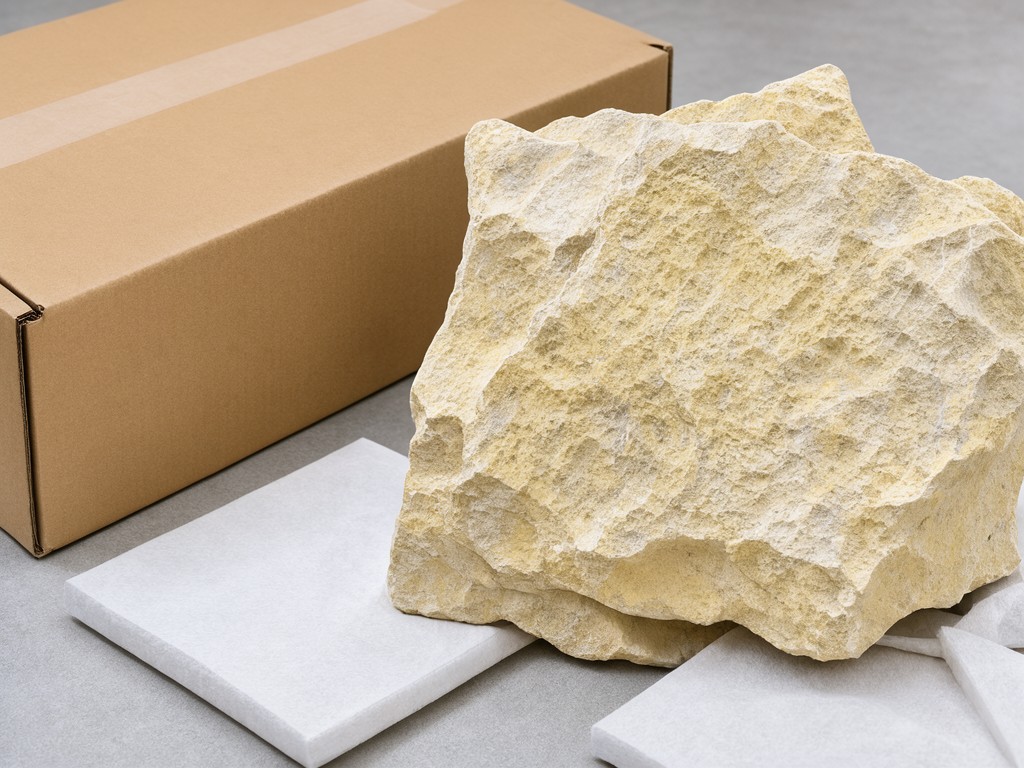
Specifying buy natural culture stone manufacturer for Wholesale and OEM Orders
The interface between stone and the substrate determines the long-term structural integrity of a facade. While natural stone offers unique aesthetic variance, the mechanical performance of the cladding depends on moisture absorption rates and the thermal expansion coefficients. Selecting a manufacturing partner that prioritizes the mineral density of the stone prevents the premature spalling often seen in freeze-thaw cycles.
Technical Constraint: For high-exposure facades, stone with a water absorption rate below 0.5% is required to prevent sub-surface salt crystallization and subsequent delamination caused by rapid temperature fluctuations.
Scope of Supply and Physical Form
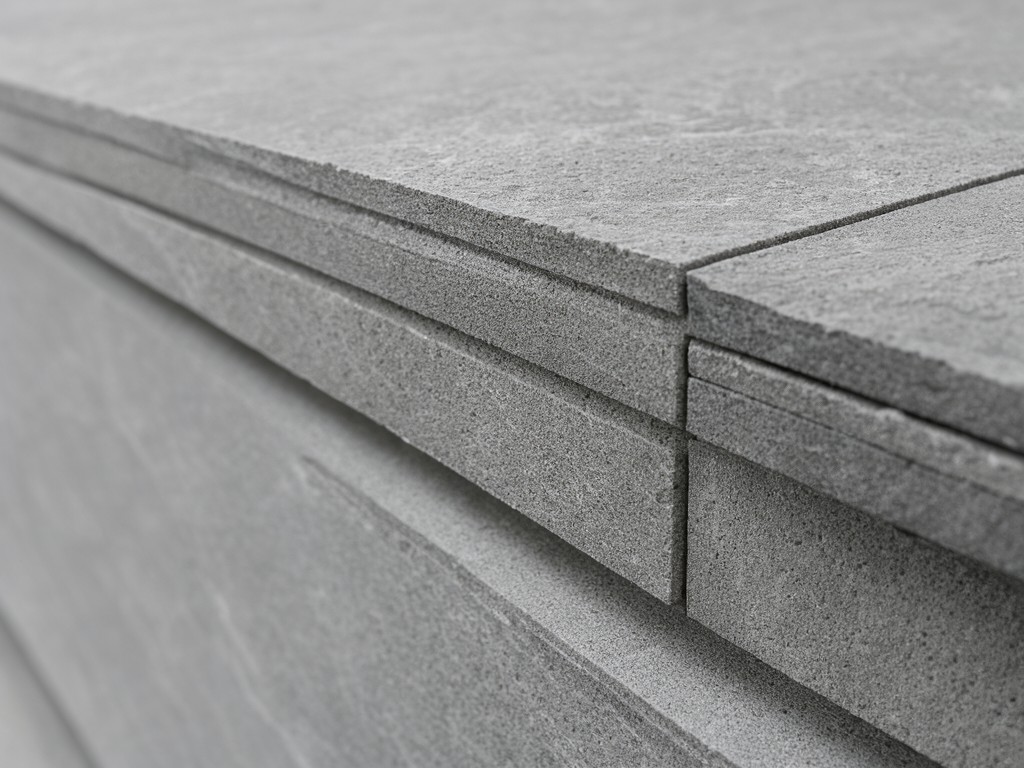
Production focus remains on precision-cutting of natural slabs to maintain the structural integrity of the stone face. We provide thin-cut veneers designed to reduce dead loads on structural frames without sacrificing the tactile depth of the stone. Each batch is tracked by quarry origin to ensure colorimetry and mineral composition remain consistent across large-scale architectural projects.
| Parameter | Standard Range | Application Limit |
|---|---|---|
| Face Thickness | 15mm - 40mm | Lightweight-only systems |
| Surface Finish | Split-face, Hononed, Sanded | Slip-resistance varies |
| Compressive Strength | >80 MPa | Load-bearing walls |
Where Cheaper Alternatives Fall Short
Low-grade alternatives often utilize high-porosity stone that leads to rapid efflorescence and surface staining. This results in uneven weathering and structural bond failure within the first three seasons of exposure. When the stone is not properly stabilized during manufacturing, the bond with the adhesive layer fails, leading to high return rates and costly site remediation.
Measured Performance in Real Use
Balance and load analysis shows that uniform thickness prevents uneven stress distribution across the mechanical anchors. In high-density urban environments, the chemical resistance of the stone against acid rain is a primary metric for surface longevity. We maintain a dimensional tolerance of ±1.5mm to ensure flush alignment across large-format curtain wall installations.
Customisation Options and Their Limits
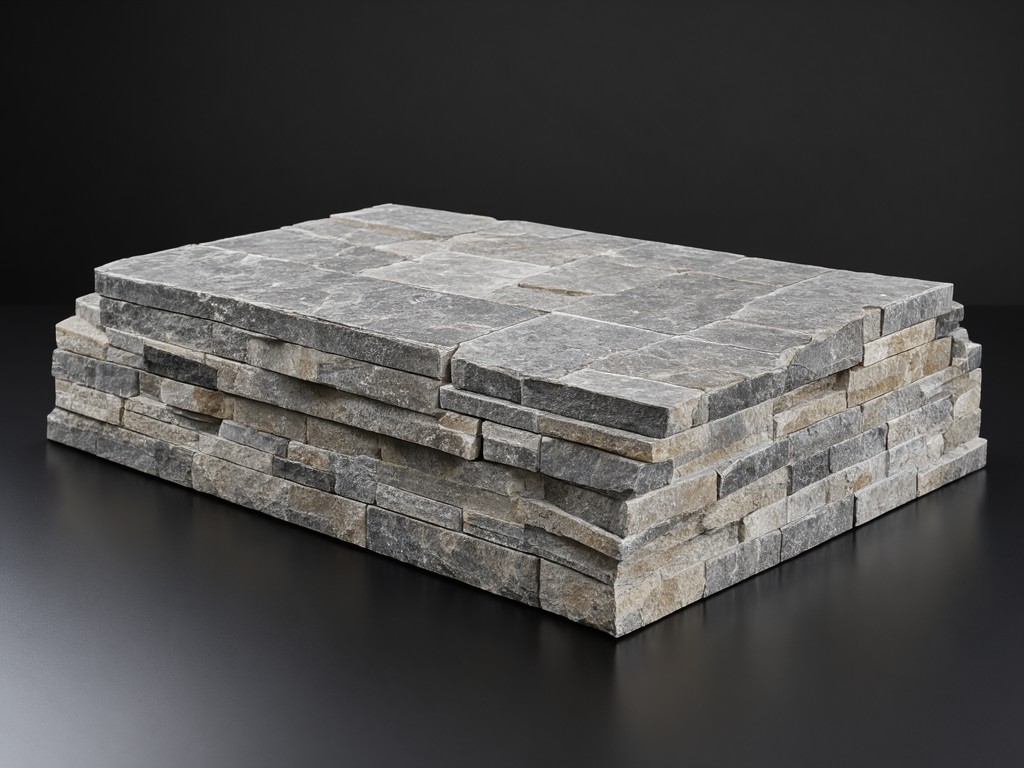
Customization is limited by the geological properties of the specific quarry vein. While we offer precise CNC-cut profiles, the natural veining and texture patterns cannot be replicated exactly between batches. Buyers must approve physical samples to confirm that the aesthetic variations are acceptable within the project's design intent.
| Customization | Technical Constraint |
|---|---|
| Edge Profiles | Minimum radius limited by stone hardness |
| Backing Mesh | Compatibility with specific adhesive resins |
Working as a Production Partner, Not a Catalogue Supplier
Consistency depends on the pre-production approval phase. We require detailed technical drawings and material density reports before the first slab is cut. Our collaborative approach involves reviewing specifications early to mitigate the risk of batch dimensional mismatch during the installation phase.
Quality Control and Batch Consistency
The manufacturing process integrates rigorous checks at every stage of extraction and finishing. By monitoring the moisture content and mineral hardness, we ensure that the final product meets the structural requirements of the specified architectural envelope.
| Usage Condition | Typical Failure Mode | Prevention Specification |
|---|---|---|
| Extreme Thermal Cycling | Surface Cracking/Spalling | Water absorption < 1% |
| High Humidity Exposure | Efflorescence/Staining | Vacuum-impregnated sealing |
| Mechanical Load Bearing | Anchor Shear Failure | Compressive strength > 80MPa |