Wholesale Travertine Bathroom Floor Supplier: Specification, Ordering and Quality
Sourcing natural stone for wet environments requires an understanding of mineral density and porosity-specific absorption rates. Unlike manufactured porcelain, travertine sedimentary limestone exhibits natural variations in pore structure that affect both slip resistance and moisture ingress. Procurement teams must balance the aesthetic appeal of unfilled honed or tumbled surfaces against the functional requirements of structural stability and maintenance in high-moisture zones.
What the Design Has to Balance
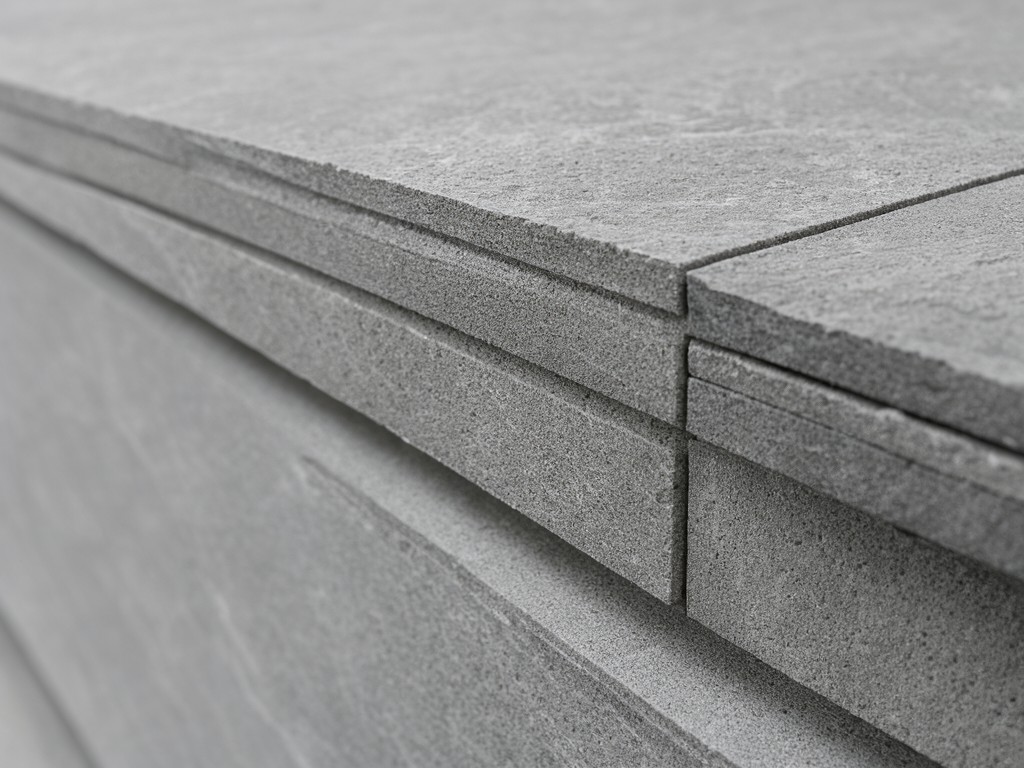
The structural integrity of travertine tiles is dictated by their thickness and the consistency of the quarry cutting process. Thinner slabs, typically 8mm to 10mm, are prone to cracking during transport or if the subfloor is not perfectly leveled. For high-traffic commercial bathrooms, 20mm full-body tiles provide the necessary impact resistance, though they increase the freight weight and labor costs significantly.
| Parameter | Standard Grade Range | Primary Application |
|---|---|---|
| Tile Thickness | 8mm - 20mm | Residential vs. Commercial |
| Surface Finish | Honed, Tumbled, Polished | Slip resistance variance |
| Water Absorption | 0.5% - 12.0% (Filled) | Moisture resistance |
Assumptions Buyers Should Stop Making
Many buyers expect uniform color distribution across large-scale wholesale orders. Because travertine is a natural product, variations in veining, tone, and mineral density are inherent characteristics rather than defects. Attempting to force a perfect color match across multiple production lots often leads to high rejection rates and project delays due to batch-trace inconsistencies.
Surface preparation is another common failure point. Natural stone requires a flexible mortar-set to accommodate the natural expansion and contraction of the stone over time. Using standard thin-set adhesives designed for ceramic tiles often results in hollow spots, leading to eventual cracking or tile slippage under heavy foot loads.
Customisation Options and Their Limits
Customization focuses on edge profiling and sizing. Rectified edges allow for narrower grout lines (1-2mm) but require precision machining that increases the unit price. Tumbled edges offer a more rustic aesthetic and hide minor chips but are more prone to wear in high-impact environments.
- Standard sizes range from 30x30cm to 60x120cm.
- Custom water-jet patterns are available for specific architectural layouts.
- Filled vs. unfilled options dictate the maintenance schedule required.
- Pre-sealing can be applied factory to reduce onsite labor.
Segment-Specific Requirements
Hospitality sector projects demand strict adherence to slip-ratings, which often necessitates a honed or tumbled finish to ensure a high coefficient of friction (COF). In contrast, luxury residential projects may prioritize the visual depth of an unfilled travertine surface, accepting the trade-off of more frequent sealing cycles.
Commercial Grade
font-size: 0.9em;">Focuses on high-traffic durability and standardized slip resistance.
Residential Grade
Prioritizes aesthetic variety and varied surface finishes.
Packing, Marking and Logistics
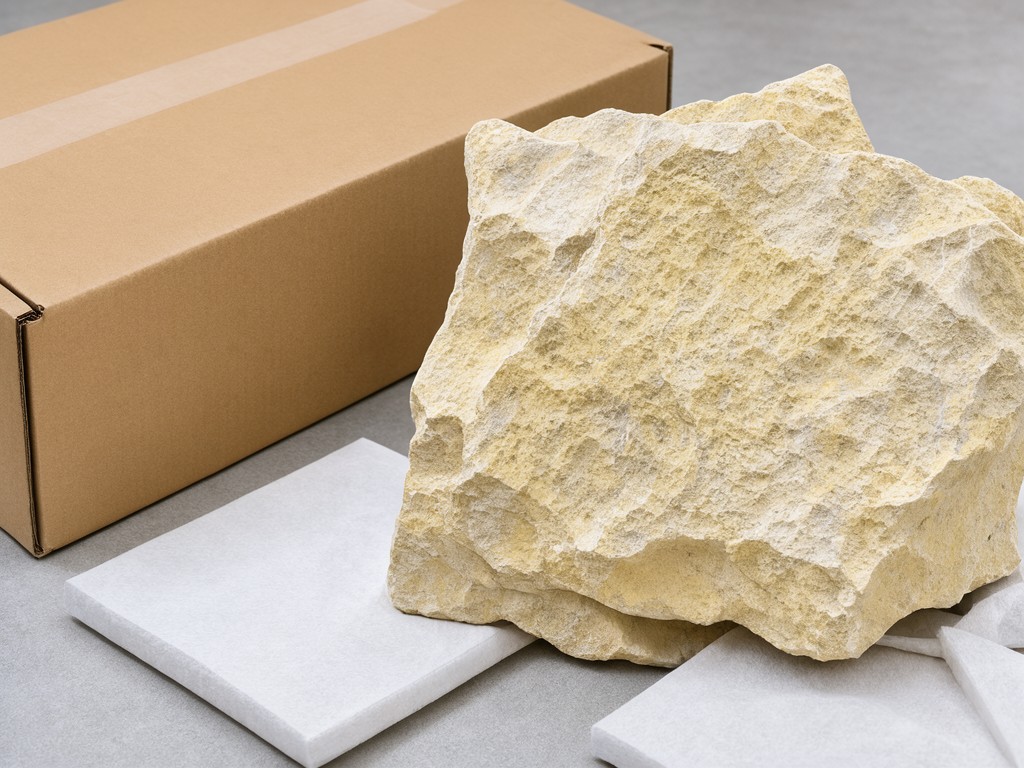
Freight protection is the primary concern for wholesale stone shipments. Tiles are packed on heat-treated wooden pallets with internal cardboard dividers to prevent edge chipping during transit. Each pallet is marked with batch numbers, origin data, and weight to ensure traceability and proper handling equipment selection on-site.
Frequently Asked Questions
Is travertine suitable for shower floors?
Yes, if the stone is filled and treated with a high-quality sealer to prevent water penetration and subsequent mold growth within the natural pores.
How do I handle the natural variations in color?
Variations are a feature of the material; we recommend mixing tiles from different boxes during installation to ensure a balanced distribution across the floor.
What is the difference between filled and unfilled travertine?
Filled travertine uses resin-based grout to plug natural voids, creating a smoother, easier to clean surface, whereas unfilled leaves the natural pits exposed.