wholesale round stone pavers factory - Bulk Supply and Specification Guide
Production of round stones begins with the mechanical shaping of high-density basalt or granite blocks. We utilize industrial-scale rotary tumbling to achieve specific spherical curvatures that eliminate sharp fractures. This process determines the structural integrity of the stone, as poorly tumbled units retain internal stress points that lead to cracking in high-traffic commercial zones. Wholesale buyers must evaluate the grade of the tumbling cycle, as shorter cycles result in more surface irregularities that trap debris and increase maintenance labor costs.
Scope of Supply and Physical Form
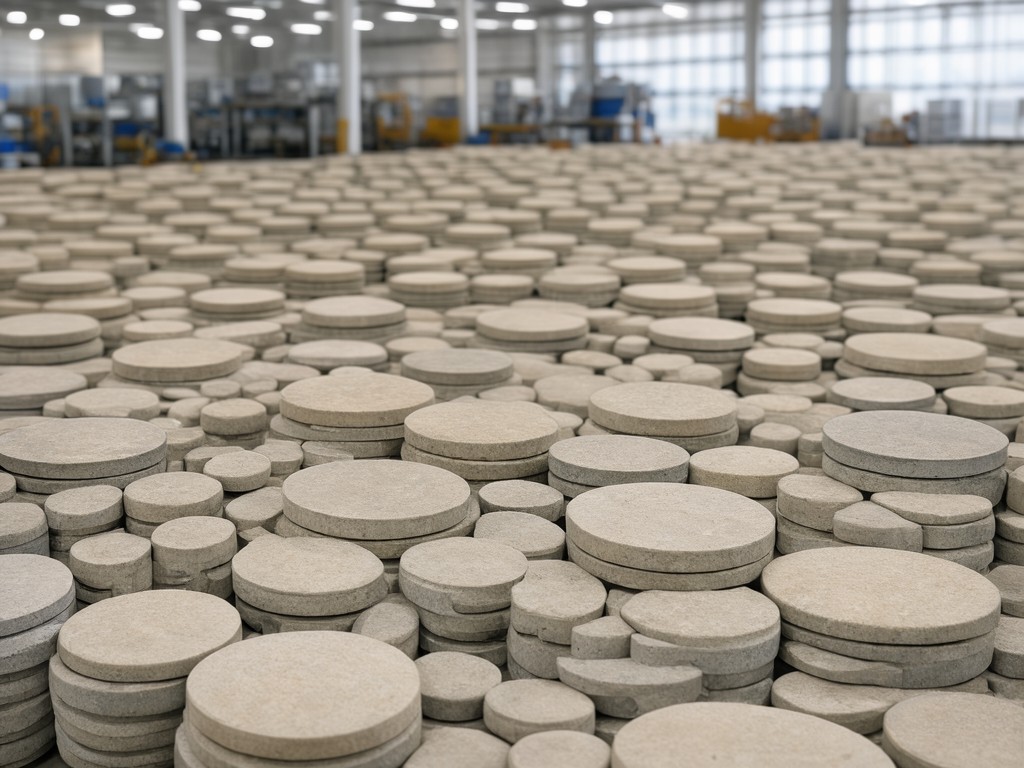
The supply range is categorized by diameter consistency and surface texture treatments. Small-diameter units (20-50mm) are typically utilized for decorative borders or garden edging, while larger cobbles (80-150mm+) provide the necessary stability for pedestrian walkways and plazas. The surface finish varies from raw-tumbled, which retains a natural matte texture, to flame-honed finishes that increase slip resistance coefficients in wet-prone outdoor environments.
| Feature | Specification | Primary Application |
|---|---|---|
| Material Grade | High-traffic pedestrian zones | |
| Size Tolerance | ±5mm diameter variance | Landscape architecture and edging |
| Surface Finish | Natural Tumbled / Polished | Public plazas and pool surrounds |
The Problem Buyers Keep Paying For
Low-cost procurement often ignores the hidden cost of high material porosity. When round stones are sourced from soft sedimentary layers, they absorb water leading to spalling during freeze-thaw cycles. This results in uneven surfaces that require frequent re-leveling or replacement within three to five seasons. Furthermore, stones with low chemical resistance react poorly to acid rain or industrial cleaners, causing rapid aesthetic degradation that diminishes the retail value of the finished project.
Buying Mistakes That Lead to Returns
A common failure point is the failure to account for size distribution across batches. If the diameter variance exceeds 15% during installation, the bedding sand layer becomes unstable, leading to loose stones and tripping hazards. Procurement officers often specify finishes without verifying the slip-resistance rating (SRV), which can lead to non-compliance with public safety standards in commercial infrastructure projects.
Segment-Specific Requirements
Different market segments demand specific mechanical properties and load-bearing capacities. Retail-focused buyers prioritize color consistency and aesthetic uniformity for shelf appeal, whereas industrial-scale distributors focus on compressive strength and abrasion resistance for heavy-duty equipment movement.
| Segment | Key Metric | Critical Factor |
|---|---|---|
| Retail/Landscape | Color Uniformity | Visual appeal per m |
| Commercial Dev | Slip Resistance | Safety compliance standards |
| Industrial/Park | Load Rating | Durability under pressure |
Volume Planning and Lead Time
Factory capacity is dictated by raw material availability and the tumbling cycle duration. Standard wholesale orders are typically processed within 30-45 days, but custom-diameter specifications or specific mineral imports may require a 60-day lead time to ensure material sourcing and quality sorting. Planning orders based on project milestones ensures batch-matching across different phases of a large-scale construction project.
Keeping Repeat Orders Supplied
Securing long-term supply depends on batch traceability. We maintain rigorous control logs to ensure that an order of 100mm stones placed in June matches the hue and density profile of an order placed in December. This consistency prevents the "patchwork" effect in large installations where repairs are required years later.
Setup, Use and Replacement Parts
Proper installation requires a well-stabilized sand base or mortar bed to prevent stone migration. Because round stones lack interlocking edges, the jointing material is critical. Maintenance involves low-pressure washing to remove organic growth, though chemical cleaners should be avoided to prevent etching the stone's surface over time.
Request technical specifications and bulk pricing for your next project.
Contact our wholesale department today