Wholesale Polished River Pebble Paving Stone Factory: What Buyers Should Check Before Ordering
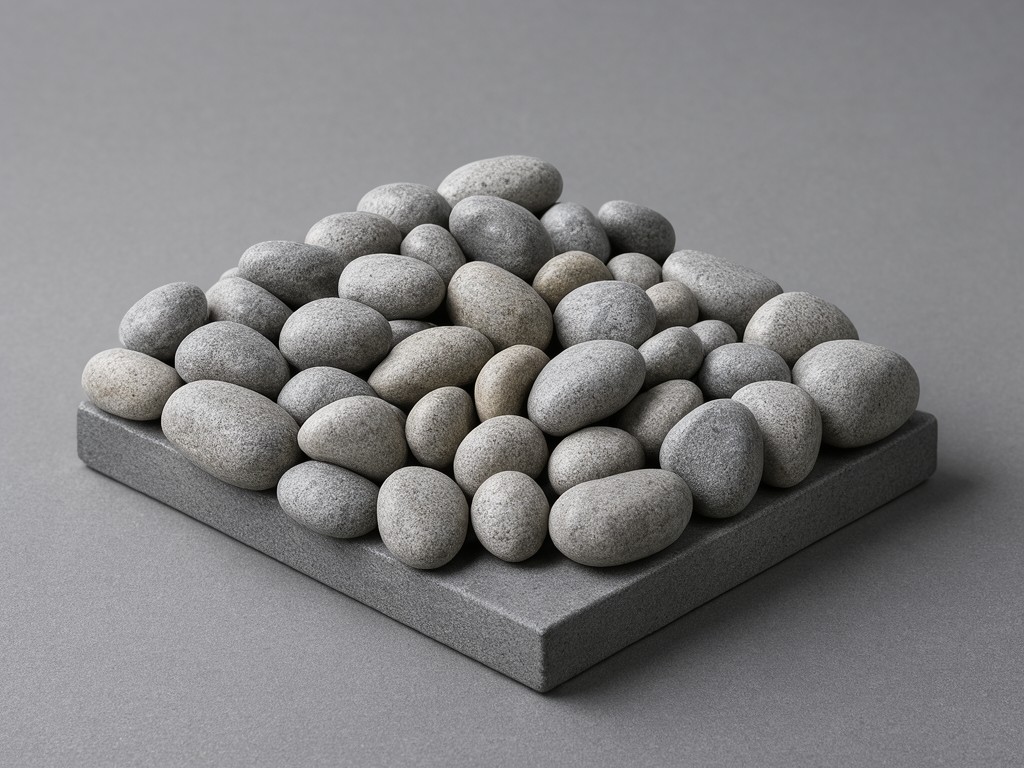
Selecting polished river pebbles in bulk requires evaluating the size distribution and the durability of the surface finish. In large-scale paving projects, the primary failure point is not the stone material itself, but the inconsistency of the polish grade and the degradation of the coating under high UV exposure. A factory utilizing a rotary tumbling process ensures that each de-cobble maintains a uniform radius, preventing the sharp edges that cause structural fractures in resin-bound mortar joints.
Technical Note: High-grade polished pebbles undergo a multi-stage abrasion process to ensure the gloss level does not "cloud" or dull after the first 6 months of environmental exposure in high-traffic pedestrian zones.
Specification Range and Customisation Limits
We provide various pebble grades based on the mechanical requirements of the substrate. For resin-bound decorative concrete, a 10-20mm grain size is standard to ensure high density, whereas dry-laid landscape applications often require 30-60mm stones to maintain stability without a binding agent.
| Grade Type | Size Range (mm) | Surface Finish |
|---|---|---|
| Standard Polished | 10 - 25mm | High-Gloss Acrylic |
| Large Cobble | 40 - 80mm | Satin/Matte |
| Micro Pebble | 5 - 12mm | Natural Polished |
Assumptions Buyers Stop Making
Procurement officers often assume that "river pebbles" are uniform across different batches. In reality, mineral variations in the quartz content can lead to color shifts between shipments. If a project requires a specific color match for a commercial development, batch-level traceability is the only way to avoid visual mismatches in the final paving surface.
- Water absorption rates vary by stone porosity; porous stones may crack if freeze-thaw cycles occur.
- Weight per square meter fluctuates based on the density of the specific stone source, affecting structural load-calculations.
- The polish is a surface treatment; heavy mechanical abrasion from foot traffic will strip the finish over time.
Segment-Specific Requirements
Commercial landscape architects demand high slip-resistance ratings for public walkways. While polished pebbles provide an aesthetic appeal, the coefficient of friction (COF) drops when wet. For these applications, we recommend an untreated or tumbled-only pebble finish to meet safety standards without sacrificing the natural aesthetic.
Residential Grade
Focuses on color vibrancy and high-gloss finishes for private garden driveways and pools.
Industrial Grade
Requires high load-bearing capacity and chemical resistance for commercial courtyard exposure.
Inspection Items and Test Methods
To ensure wholesale consistency, every batch undergoes rigorous mechanical testing before dispatch. We measure the sieve analysis to ensure the size distribution stays within the +/- 5% tolerance of the specified range, preventing voids in the resin-bound mixtures.
- Sieve Analysis: Verifying particle diameter distribution to ensure uniform coverage.
- Water Absorption Test: Measuring porosity to prevent internal pressure spalling during freezing.
- Abrasion Resistance: Testing the durability of the polished surface layer under simulated wear.
Ordering, Tooling and Lead-Time
Wholesale orders are typically processed in metric-ton increments to optimize freight container utilization. Custom color sorting or specific size-grading requires an additional lead time to account for material sourcing and specialized tumbling cycles. For standard polished river pebbles, our dispatch window is usually 14-21 days once the sample approval is finalized.
Request a technical data sheet or bulk quote for your project specifications.
Contact our wholesale department today