wholesale natural tumbled mosaic tiles supplier: Specification, Ordering and Quality Notes
What This Product Is and Where It Fits
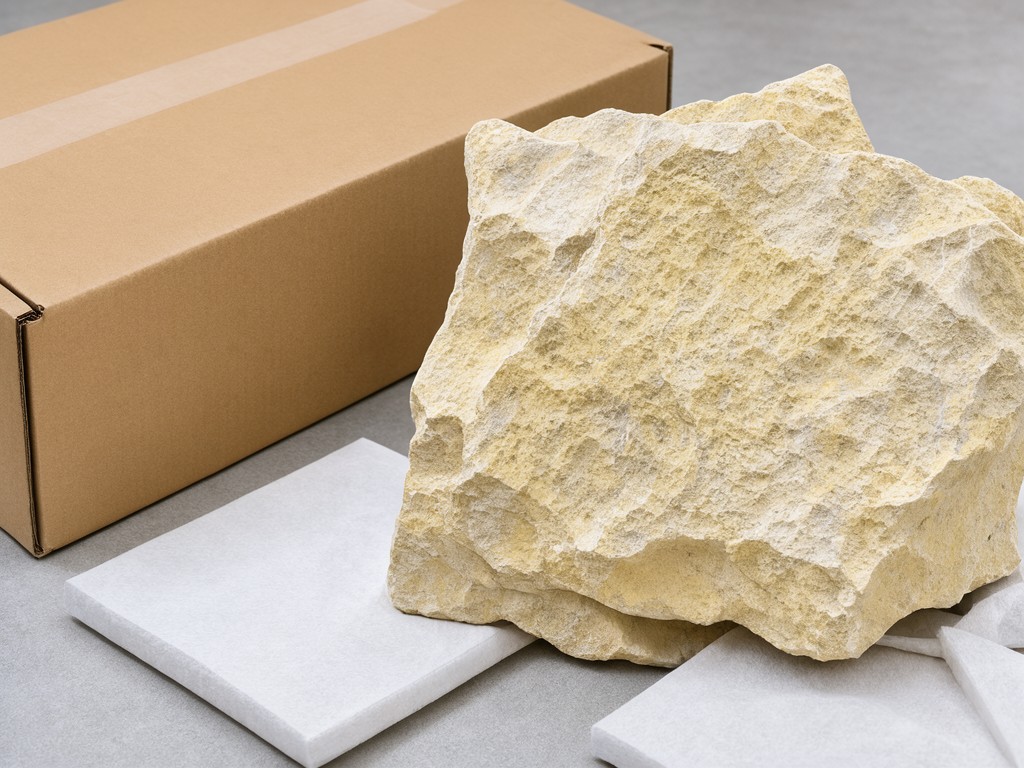
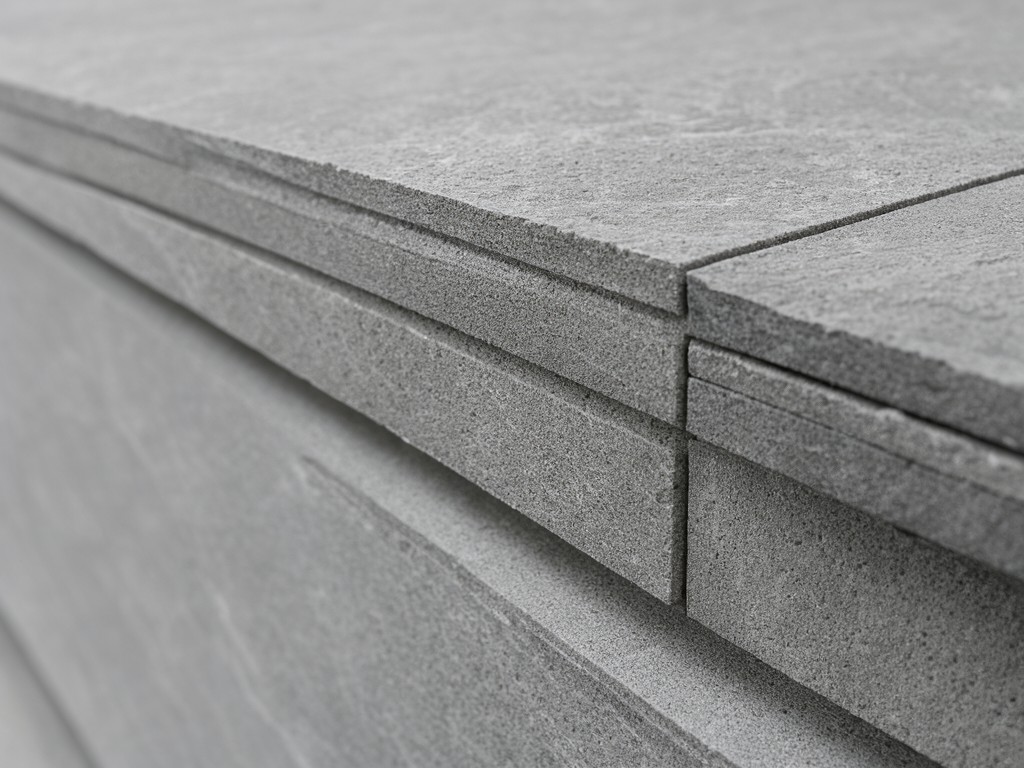
Travertine mosaic tiles consist of small stone inserts mounted on a reinforced mesh backing. Unlike precision-cut porcelain, these units utilize the natural variations of calcium carbonate to create visual depth. The tumbling process involves mechanical abrasion that rounds the sharp edges of the raw stone-cut cubes or tiles, resulting in a textured surface that hides minor installation irregularities and wear.
These materials are typically specified for high-end projects where organic aesthetics are prioritized over absolute geometric uniformity. Because the material is sourced from natural deposits, color density and vein distribution vary between batches, making them suitable for retail environments where a unique look is a primary selling asset.
How It Performs in Use
The performance of tumbled travertine is dictated by its thermal properties and tactile surface. In direct sunlight, the stone remains cooler than dark-toned ceramics, making it functional for high-traffic pedestrian zones. The tumbled surface provides an inherent slip resistance that reduces the risk of slip accidents compared to polished finishes.
Maintenance requirements depend on the sealing protocol. Without a professional-grade penetrating sealer, the natural voids in the stone can trap oils or moisture, leading to permanent discoloration. In high-exposure areas, the stone develops a patina over time; however, aggressive de-icing agents can etch the soft surface and degrade the intended tumbled texture.
How It Is Built and What That Changes
Manufacturing begins with the primary sawing of raw travertine blocks into uniform dimensions. These pieces are then placed in rotating drums with abrasive media to achieve the tumbled effect. This mechanical wear removes saw marks and rounds the micro-fractures, which increases the structural integrity of the individual tiles by reducing "edge-chipping" during transport.
The finished pieces are hand-bonded to a polyvinyl-reinforced mesh. The quality of this adhesive determines the shear strength of the sheet during installation. Low-grade adhesives may lead to "tenting" where the stone detaches from the mesh when the thermal expansion causes lateral movement in the thin-set mortar.
Specification Range and Customisation Limits
Standard offerings are categorized by stone thickness and mosaic-pattern geometry. While 30mm thickness is the industry standard for flooring, 10mm to 15mm variants are common for wall cladding applications where weight is a constraint.
| Parameter | Standard Range |
|---|---|
| Material Thickness | 10mm - 30mm (nominal) |
| Mosaic Element Size | 25x25mm, 30x30mm, 50x50mm |
| Water Absorption Rate | 0.5% - 3% (by weight) |
| Surface Finish | Tumbled, Honed, Unfilled |
Comparing Two Standard Configurations
Unfilled Tumbled
This configuration leaves the natural pits and voids of the travertine open. It offers the most rustic aesthetic but requires high-quality grout to fill the recesses. Best for dry wall applications where a tactile surface is paramount.
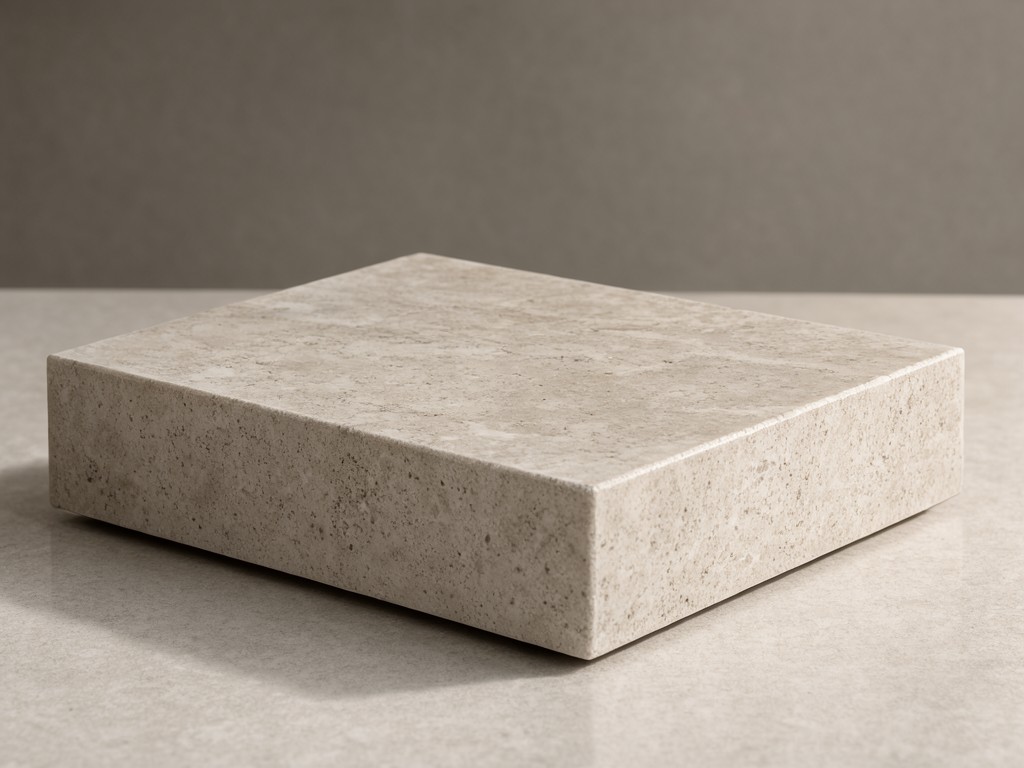
Filled Tumbled
The voids are filled with a resin or cementitious material before finishing. This creates a flatter surface that is significantly easier to clean and more suitable for flooring where dirt accumulation in pits is a concern.
Customisation Options and Their Limits
Customization is primarily limited to color-matching (e.g., Ivory, Walnut, Silver) and pattern layout. Because the material is natural, we cannot guarantee exact vein matching across different production orders. We provide "lot-matching" services to ensure that a single project shipment remains within a specific color variance tolerance.
- Custom mesh backing for specialized thin-set requirements.
- Edge-trim border strips for perimeter transitions.
- Laser-cut patterns for architectural inserts (non-tumbled edges).
Volume Planning and Lead Time
Procurement officers must account for the seasonal nature of stone quarry extraction and the tumbling cycle. Large-scale orders typically require a lead time that allows for batch quality control to ensure color consistency across the entire square footage.
| Order Volume | Estimated Lead Time | MOQ |
|---|---|---|
| Sample (1-2sqm) | 7-10 Days | 1 Box |
| Retail Stock (50-200sqm) | 14-21 Days | 50sqm |
| Project Bulk (500sqm+) | 45-60 Days | 500sqm |
Need to coordinate technical specifications for your next project?
Contact our technical sales team for wholesale pricing and batch matching.