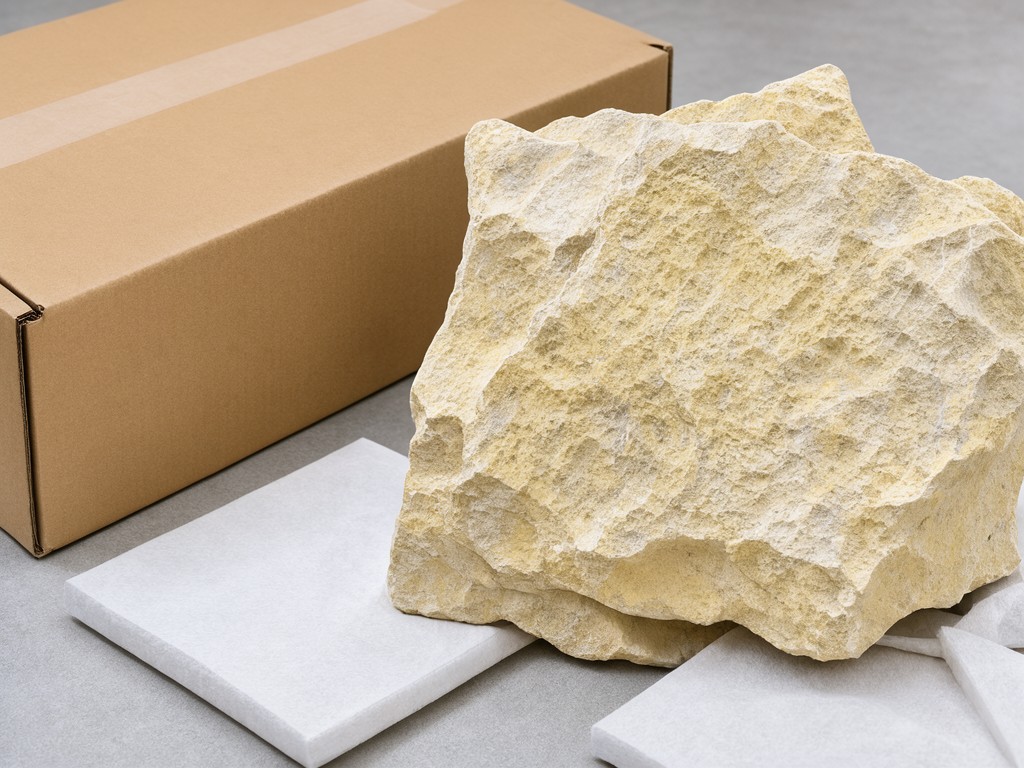
Specifying OEM Granite Project Paving Stone Factory for Wholesale and Orders
Sourcing granite for large-scale infrastructure requires a balance between mineral density and surface porosity to prevent long-term structural degradation. While lower-grade stone offers a reduced initial price point, high water absorption rates lead to internal fracturing and spalling during freeze-thaw cycles. A dedicated OEM facility focuses on the specific gravity of the stone used, ensuring that the paving maintains its dimensional integrity under heavy-load traffic without the shearing edges common in poorly-cut slabs.
The primary failure mode in private-label paving is often dimensional variance across batches. If the stones vary by more than 2mm in thickness or width, the bedding layer becomes uneven, leading to tripping hazards and water pooling that accelerates subgrade erosion. Our manufacturing process utilizes CNC-guided bridge saws to maintain tight tolerances, ensuring every unit fits the specified grid pattern to reduce the labor hours required for on-site installation.
Materials and Construction Trade-offs
Choosing between different granite varieties depends on the maintenance cycle budget of the project. Granite offers superior resistance to acid rain and mechanical wear compared to limestone or abrasive environments, but the weight increases freight costs significantly per square meter. We categorize materials based on their Mohs hardness, which dictates how well the surface will resist salt-scaling and heavy vehicle abrasion.
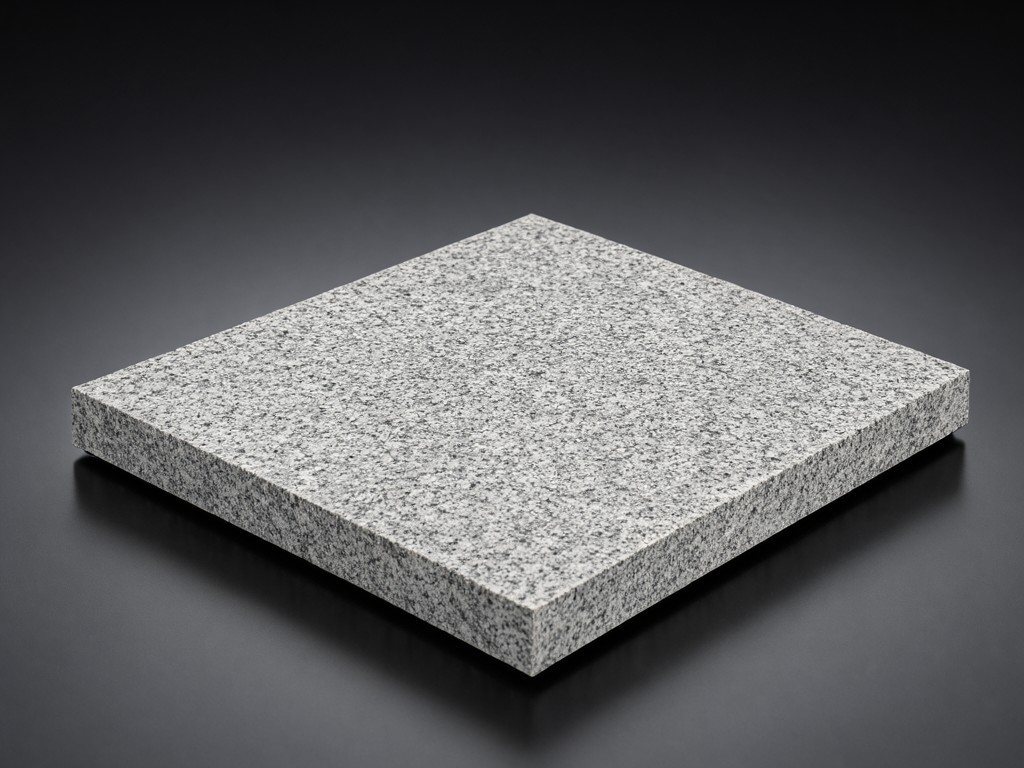
High-Density (Grey/Black)
Best for industrial docks and urban plazas. Low porosity (typically < 0.5%) prevents oil penetration and deep staining.
Toned (Multi-tonal)
Ideal for residential landscaping. Higher aesthetic variety but requires consistent sealing to prevent organic growth growth.
Construction Method and Its Effect on Consistency
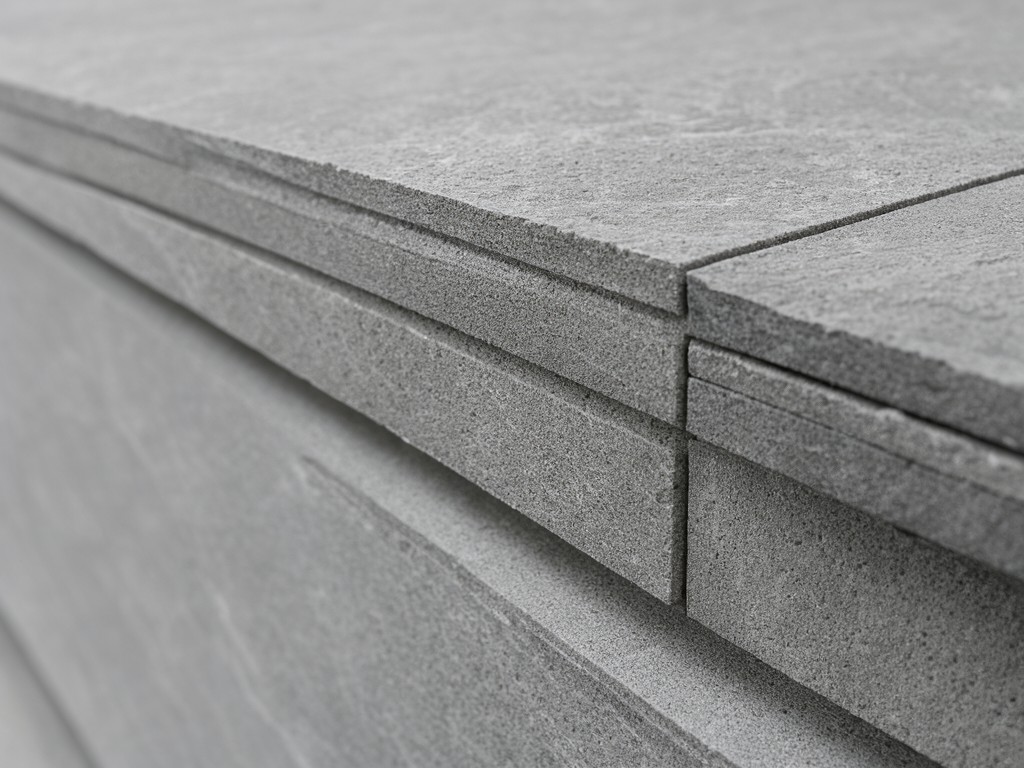
The edge treatment directly determines the lifespan of the joint lines. Hand-tooled edges provide a rustic aesthetic but are prone to chipping if the stones are handled by heavy machinery. Machine-cut straight or slightly beveled edges ensure a 90-degree interface that maximizes the contact surface area for joint sand, preventing the stones from shifting under lateral load.
| Parameter | Standard Range | Tolerance Limit |
|---|---|---|
| Stone Thickness | 30mm - 100mm | ± 1.5mm |
| Water Absorption | < 0.8% | Max 1.2% |
| Compressive Strength | > 150 MPa | N/A |
Size, Weight and Range
Custom sizing allows for specific architectural patterns that reduce on-site cutting waste. Standard modules like 100x100mm or 200x100mm are optimized for mass production speed, whereas bespoke geometries require additional setup time and increase lead times. Weight per pallet is a critical factor for procurement officers calculating logistics surcharges and crane capacity requirements at the delivery site.
Option Comparison by Usage
Pedestrian walkways can often utilize thinner 30mm profiles to minimize material costs without sacrificing stability. However, for vehicle-accessible areas, a 60mm to 100mm thickness is mandatory to prevent cracking under the shear stress of turning heavy wheels.
Buying Mistakes That Lead to Returns
- Neglecting the natural color variation in granite; stones will look different when wet compared to dry-store samples.
- Failing to specify the surface texture, resulting in dangerously slippery surfaces in high-moisture outdoor environments.
- Ignoring the sub-base preparation depth, which leads to uneven stone settling despite high-quality material material.
Segment-Specific Requirements
Projects in coastal environments require specific mineral compositions to resist salt-air crystallization. In urban settings, resistance to chemical de-icing agents is the deciding factor, making high-density granites the only viable choice over softer natural alternatives.