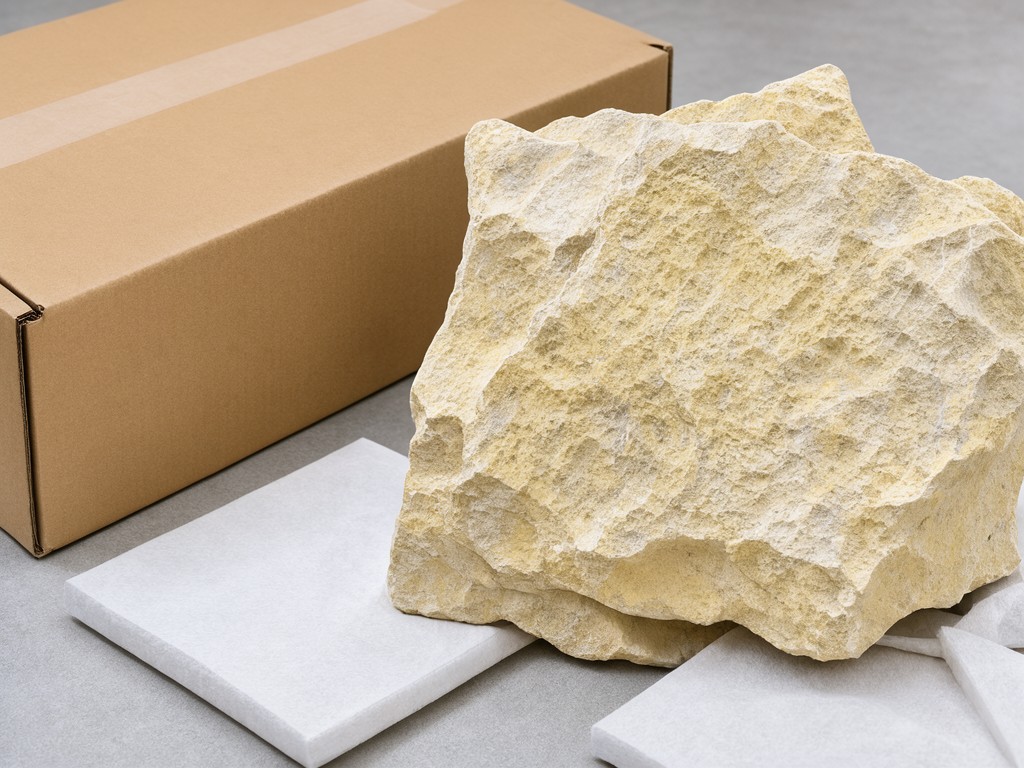
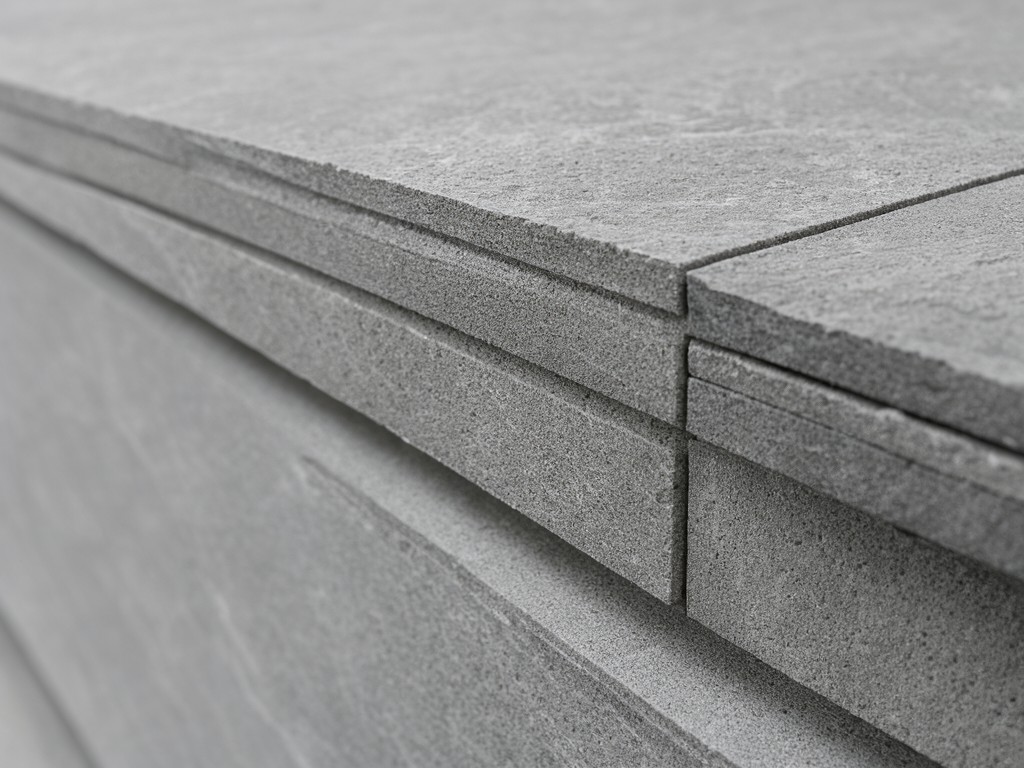
Spec direct factory natural culture wall veneer supplier for Wholesale and OEM Orders
Critical Trade-off: Density vs. Structural Integrity
Selecting thin-cut natural stone requires balancing the weight load against the shear strength of the substrate. Thinner veneers (3mm-5mm) reduce shipping costs but increase the risk of fracture during mechanical handling, whereas 15mm+ profiles offer superior impact resistance but require reinforced adhesive bonding.
Material choice starts with the conditions the product will meet. For exterior facades subjected to high UV indices and rapid thermal fluctuations, the porosity of the stone determines the rate of surface spalling. Limestone-based veneers offer high aesthetic variety but require moisture-barrier sealants to prevent freeze-thaw cycles from leading to premature face failure. Procurement officers must evaluate the water absorption rate measured by weight to ensure the veneer remains stable over a 15-year service life.
Where Cheaper Alternatives Fall Short
Low-cost alternatives often utilize manufactured stone or thin-resin overlays to mimic the appearance of natural culture stone. These materials lack the thermal mass of genuine stone, leading to inconsistent heat transfer rates across the building envelope. In high-volume retail environments, delamination of the resin layer from the core is a frequent complaint, resulting in high return rates. Natural culture stone maintains its monolithic structure, ensuring that the surface texture does not peel or fade under prolonged solar exposure.
Material Options and Their Trade-offs
| Material Grade | Primary Application | Performance Metric |
|---|---|---|
| Split Face Quartz | Exterior Facçades | High abrasion resistance; low porosity |
| Ledger Sandstone | Interior Accents | High textural depth; medium weight |
| Polished Slate | High-end Retail | Low UV degradation; high density |
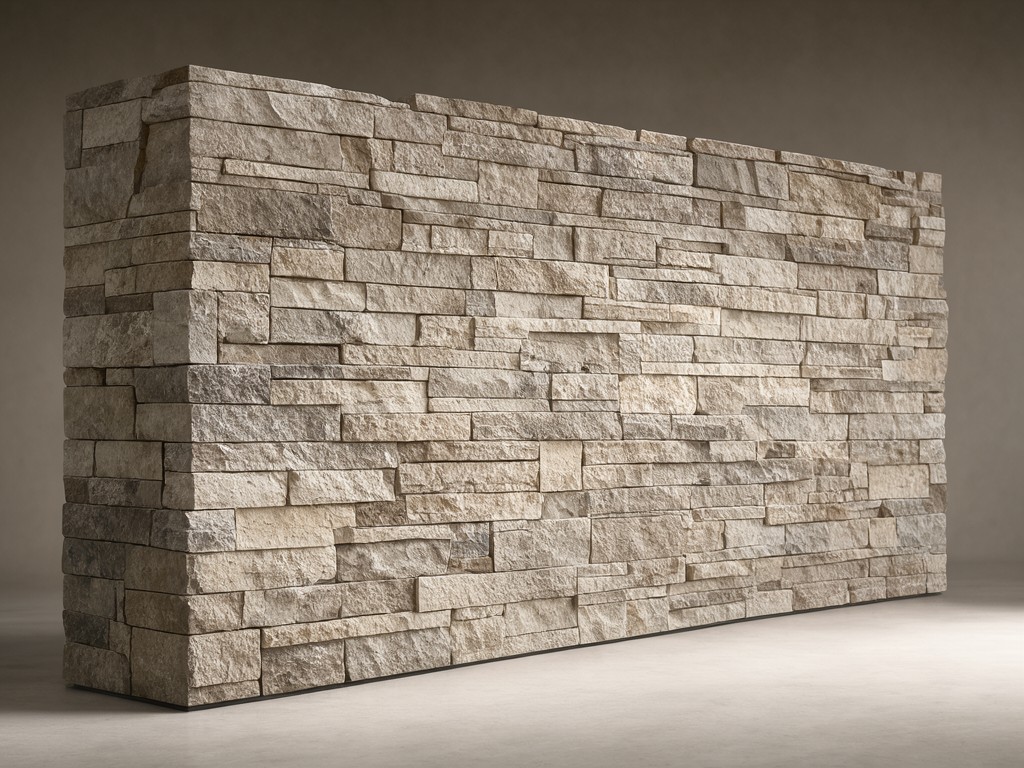
Customisation Options and Their Limits
Customization is limited by the natural geological variance of the stone. While thickness can be specified within a +/- 1.5mm tolerance, the color-tonal range and vein patterns cannot be standardized across large batches. OEM buyers should define "acceptable variance ranges" in their technical specifications to avoid rejection based on natural shifts in mineralogical composition. Edge profiles can be CNC-cut for precision interlocking, but complex geometric patterns increase the risk of micro-fracturing during the cutting process.
- Standard panel sizes typically range from 300x600mm to 600x900mm.
- Back mesh reinforcement is available for lightweight rapid-load installation systems.
- Surface treatments include penetrating silane sealants to prevent oil-based staining.
Inspection Items and Test Methods
Quality verification focuses on dimensional stability and chemical resistance. We perform moisture absorption testing to ensure the stone does not expand beyond the allowable limit, which would cause the bond with the mortar substrate to fail. For structural-grade veneers, every batch undergoes an ultrasonic velocity test to detect internal fissures that are not visible to the naked eye but could lead to failure under the wind loads of a high-rise curtain wall system.
Capacity, Tooling and Scheduling
Production capacity is dictated by quarry yield rates and blade throughput. Large-scale OEM orders require a lead time of 8-12 weeks to ensure material consistency across all shipments. Tooling for custom-cut profiles requires a dedicated setup period of 10 days, which is factored into the initial production run of any new SKU launch.
Care, Storage and Service Life
Maintenance involves low-pressure water washes; avoid acidic cleaners that can etch the natural surface of softer stones like marble. During storage, material must be kept in a dry environment off the ground to prevent moisture-induced staining or fungal growth on the porous backing. When properly installed, the service life of natural culture stone typically exceeds three decades, provided the drainage system prevents hydrostatic pressure buildup.
Ordering, Tooling and Lead-Time Questions
What is the MOQ for custom edge cuts?
Minimum orders are typically set at 50 square meters for bespoke profiles to offset the cost of CNC re-tooling.
Can shipments be color-matched?
Yes, we can provide palletized sorting based on batch density analysis to ensure tonal consistency across a single project phase.
Ready to finalize your technical specifications?
Request an artwork and branding review