china walkway stone factory and supplier: What Buyers Check Before Ordering
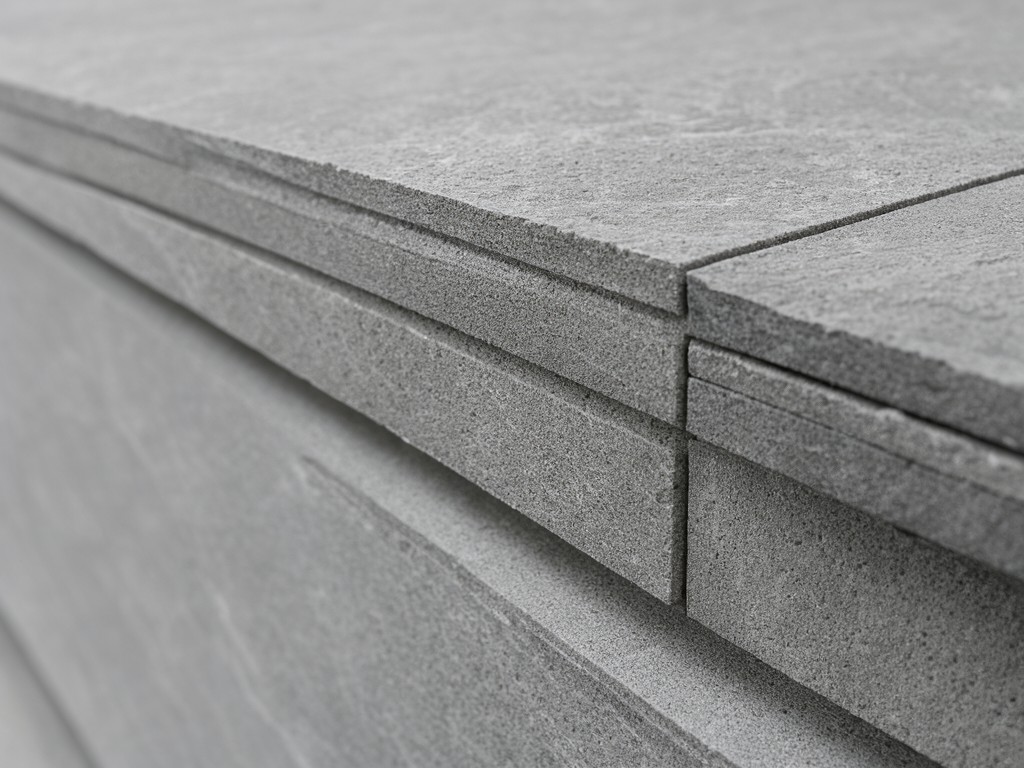
Consistency in material density and surface friction determines the service life of stone pathways in large-scale pedestrian infrastructure. When sourcing in bulk, procurement officers often find that stone slabs vary in thickness across different production batches, leading to uneven installations and increased mechanical stress. A factory must maintain a tight tolerance in the cutting process to ensure the load rating remains uniform across the entire project site.
The Problem Buyers Keep Paying For
The primary failure mode in imported stone walkways is colour fading and structural cracking caused by improper curing processes. If the factory does not control the moisture content during the finishing phase, the stone may develop internal stresses that manifest as hairline fractures within six months of installation. This results in high replacement rates for distributors and damages brand reputation among architectural firms.
Surface wear is another hidden cost factor. Low-grade finishes lose their textured grip quickly under heavy foot traffic, turning a safe walkway into a slip hazard during wet conditions. Buyers should prioritize a stone with a high Mohs hardness rating to ensure the walkway maintains its structural integrity over decades of seasonal exposure.
How to Choose Before Requesting a Quote
Selecting the right material requires balancing the porosity of the stone against the local environmental conditions. More porous stones offer a natural aesthetic but require frequent sealing to prevent deep staining and organic growth penetration. Conversely, denser varieties perform better in harsh climates but may be more difficult to cut into complex geometric patterns, increasing the installation phase.
| Parameter | Standard Range | Industrial Impact |
|---|---|---|
| Thickness Tolerance | ± 1.5mm | Prevents tripping hazards and uneven settling. |
| Water Absorption | < 0.5% | Resists frost-thaw scaling and staining. |
| Compressive Strength | > 100 MPa | Suitable for light vehicle-access paths. |
Assumptions Buyers Should Stop Making
Many importers assume that all natural stone from the same quarry is functionally identical. In reality, geological variations within a single vein can lead to significant differences in mineral composition and thermal expansion. Relying on a single sample for a multi-year project is a risk; batch traceability must be pre-negotiated to ensure that the stone tone and structural properties remain consistent with the approved architectural plan.
Customisation Options and Their Limits
Factories offer various surface treatments including honed, flamed, and sandblasted finishes to meet specific safety requirements. Each process alters the friction coefficient and the visual depth of the stone. A flamed finish provides the maximum grip but increases the cost per square meter because it exposes the softer internal matrix of the stone, requiring more labor.
- Custom edge profiling such as chamfered or bullnose for aesthetic transitions.
- Size-specific manufacturing for large-format slabs intended to minimize grout lines.
- Precision-cut dimensions for complex architectural layouts and non-standard 90-degree corners.
Requirements by Segment
Residential developers prioritize aesthetic uniformity and ease of maintenance, whereas public-sector procurement officers focus heavily on anti-slip-ratings and resistance to chemical de-icing salts. For industrial parks, the focus shifts to load-bearing capacity and the ability of the stone to withstand heavy equipment movement without chipping.
Export Packaging and Handling
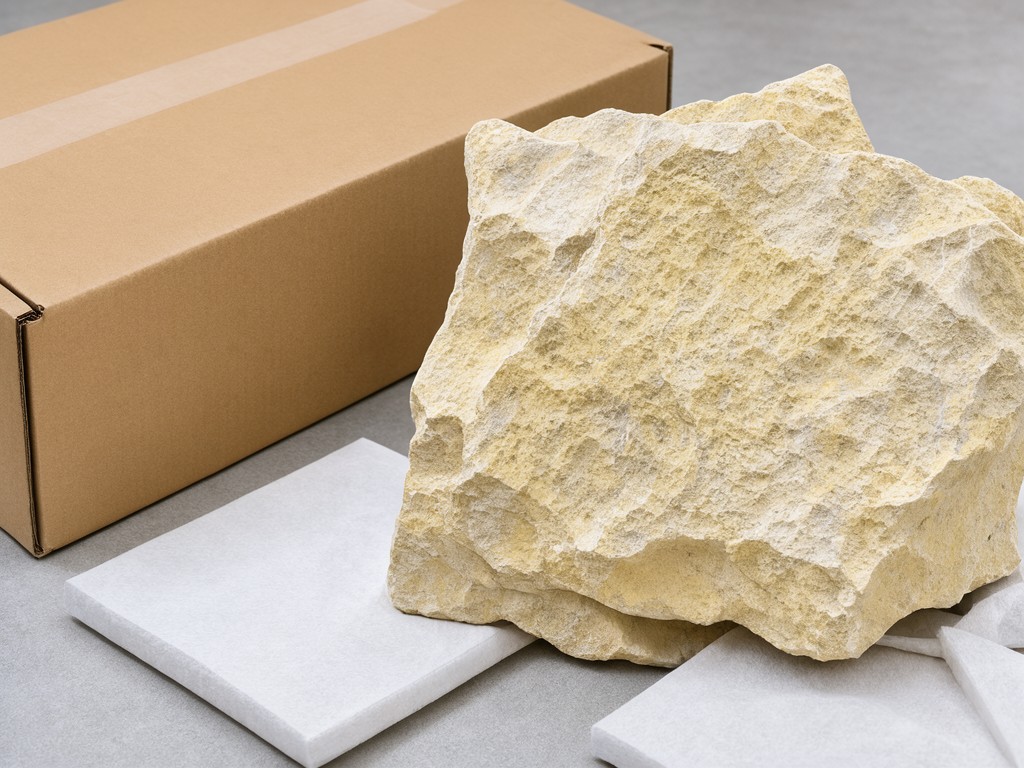
Fragility during transit is the leading cause of rejected shipments. Standard wooden crates are insufficient for large-format stone without internal steel reinforcement or specialized foam buffering between slabs. Each batch must be palletized and shrink-wrapped to prevent moisture ingress, which can lead to mineral staining during sea freight.