China Slate Flagstone Paving Slabs: What Buyers Should Check Before Ordering
Material choice starts with the specific geological density and cleavage properties of the slate source. Lower-grade slate often exhibits high porosity, leading to slabs that split during transit or under thermal stress when the frost-thaw cycle fluctuates. Procurement officers must balance the aesthetic appeal of a natural-criven surface against the structural integrity required for high-traffic commercial environments. If the water absorption rate is not kept below 0.5%, the risk of surface delamination and mineral scaling increases significantly after the first winter of exposure.
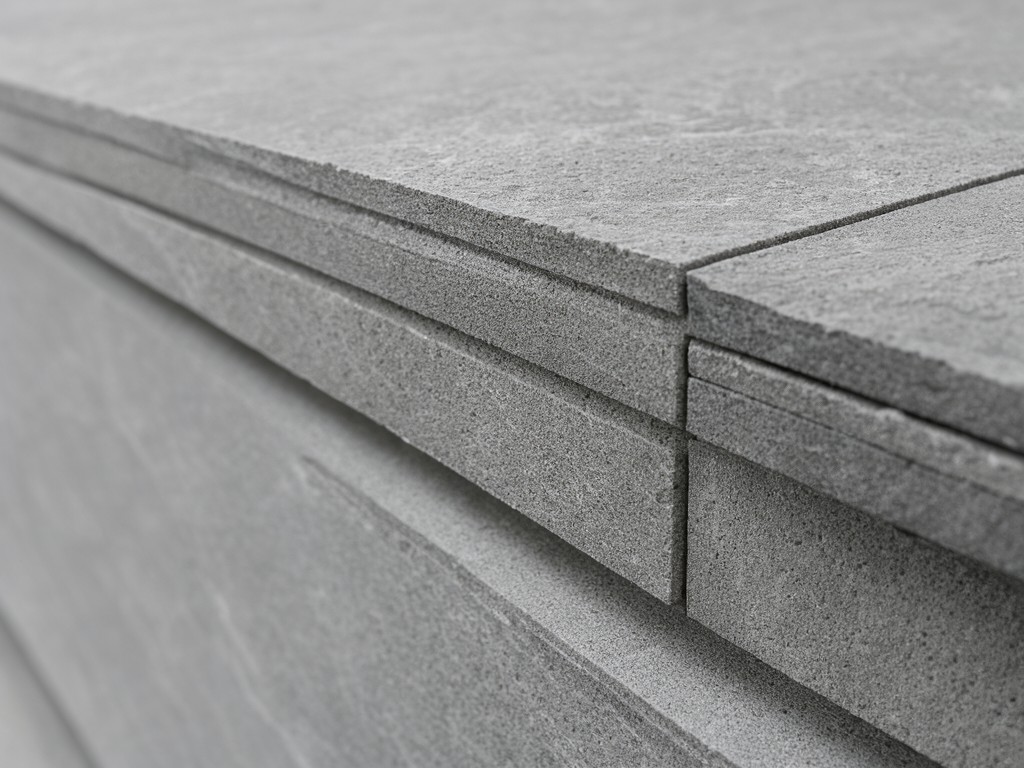
Cost and durability pull in opposite directions once weight becomes a primary factor in logistics planning. While thinner slabs reduce freight costs per square meter, they sacrifice the load-bearing capacity required for large-scale developments. A 20mm slate slab is prone to cracking on uneven bedding, whereas 30mm variants provide the necessary rigidity for vehicular-accessible pedestrian paths. Selecting the correct thickness requires a precise understanding of the substrate preparation and the intended mechanical load of the installation site to prevent high on-site failure rates.
Matching the Product to the Buyer's Need
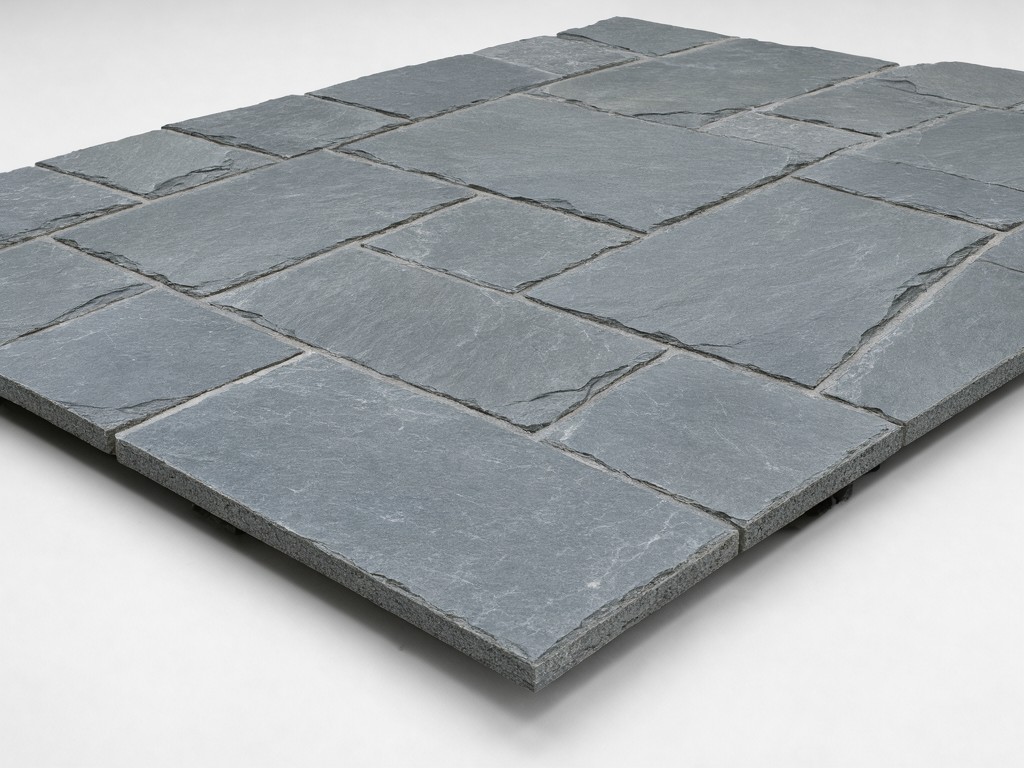
The finish of the slate dictates the maintenance schedule and the visual longevity. Retail-facing projects often demand irregular-edge flagstone to mimic naturalistic landscapes, but this increases labor costs during installation due to custom cutting. Commercial developers frequently require precision-cut rectangular slabs to minimize material waste and ensure uniform grout widths. Understanding the trade-off between natural-random patterns and geometric consistency is the primary driver of the final cost per square meter for the end installer.
| Parameter | Standard Range | Premium Grade |
|---|---|---|
| Slab Thickness | 15mm - 20mm | 30mm - 50mm |
| Water Absorption | < 0.8% | < 0.3% |
| Compressive Strength | 40-60 MPa | 60-90 MPa |
Working as a Production Partner, Not a Supplier
Batch consistency is the most common point of failure in natural stone procurement. Because slate is a natural product, color variance between different quarries is inevitable, but variance within a single shipment is avoidable. We implement a color-matching protocol that ensures that an entire 40-foot container load falls within a specific shade-tone range. This prevents the "mid-project mismatch" that often ruins the margins of large-scale private-label distributors.
- Dimensional tolerance checks to ensure thickness remains within ±2mm across the batch.
- Pre-shipment ultrasonic testing for internal fractures not visible to the eye.
- Surface hardness testing to verify resistance to abrasion in high-traffic zones.
How Consistency Is Held Across Batches
The structural integrity of the flagstone depends on the extraction method. Mechanical quarrying can introduce micro-fissures in the slate layers that expand only months after the slab is exposed to environmental moisture. Our process utilizes wire-saw extraction to maintain the natural cleavage planes of the stone, minimizing vibration-induced stress. This results in a lower breakage rate during shipping and on-site handling, directly reducing the warranty claims for the primary contractor.
Split-Riven Finish
Utilizes the natural stone layers to create a textured surface. Best for residential landscaping where slip resistance and organic aesthetics are the priority.
Honed/Polished
The surface is ground down to a flat, matte finish. Ideal for indoor transitions or modern commercial patios where furniture stability is required.
Export Packaging and Protection
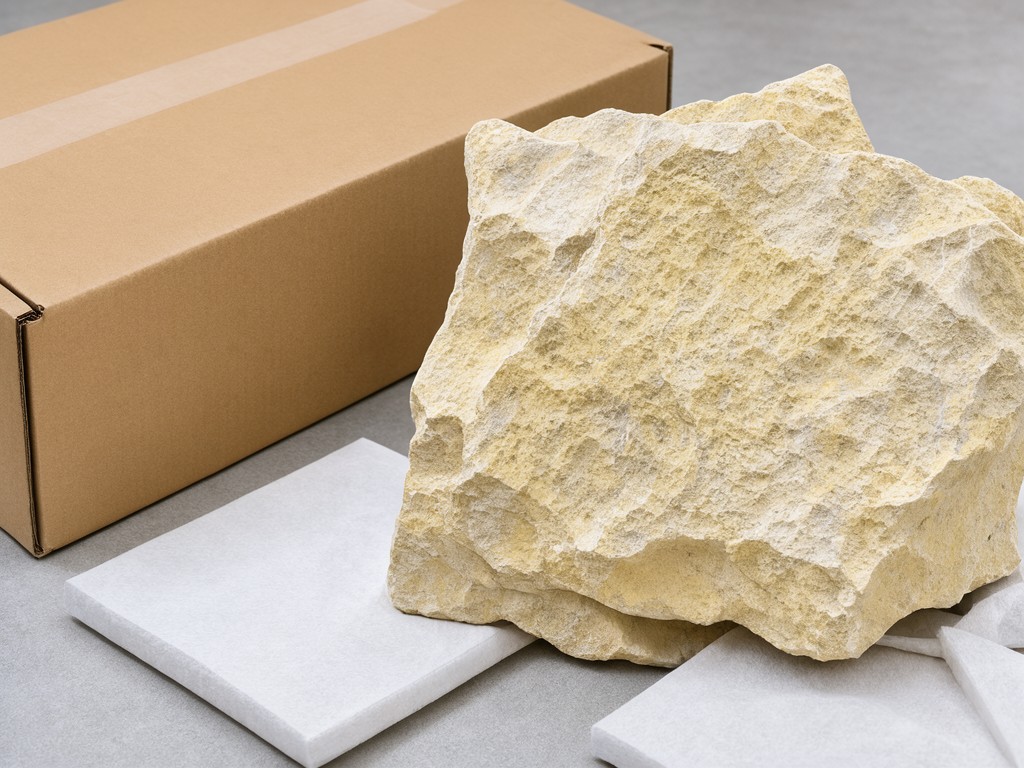
Slate is heavy and brittle, making packaging the critical cost variable. Standard palletization is often insufficient for sea-freight where dynamic loads shift during. We utilize heat-treated timber crates with internal foam cushioning and dividers to prevent edge-to-edge chipping. This protective method ensures that the slabs arrive at the destination port with zero structural loss, eliminating the need for costly on-site sorting and replacement.
Setup, Use and Replacement
Proper installation requires a full-bed mortar method to prevent air pockets, which lead to slate cracking. Using a "spot-set" method on natural slate often results in premature failure. If the slabs show signs of excessive dusting after installation, it usually indicates a failure in the chemical bond of the bedding rather than the material itself.
Need technical specifications or bulk pricing for your next project?
Request a Technical Quote and Sample Pack