CE Certified Durable Gray Travertine Subway Mosaic Tile Supplier: Specification Guide
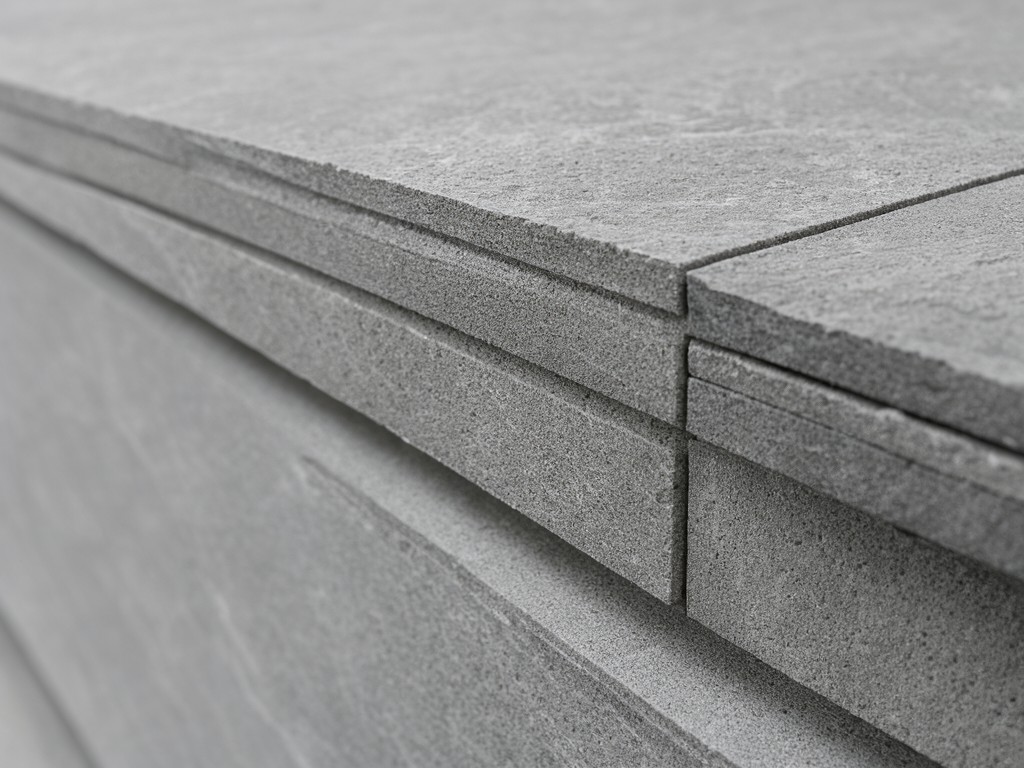
Procuring natural stone veneers for architectural applications requires balancing the inherent aesthetic variance of travertine with the structural demands of a mosaic mesh. In high-traffic commercial environments, the primary failure mode is not the stone itself, but the mechanical bond between the substrate and the mesh under thermal stress. Our manufacturing process focuses on stabilizing the porous limestone to ensure that each tile in the batch maintains dimensional tolerance, preventing misalignment during large-scale installations.
Measured Performance in Real Use
Consistency in the gray tone spectrum is managed through strict batch-sorting rather than chemical tinting. We utilize optical sorting to ensure that the variance in mineral veation remains within a defined Delta E range per production run. This reduces the risk of "patchiness" when multiple shipments are deployed across continuous wall surfaces.
| Parameter | Specification Range | Test Method |
|---|---|---|
| Tile Thickness | 6mm – 10mm | Digital Caliper |
| Water Absorption | lt; 4.5% | ISO 10545-3 |
| Breaking Strength | Min. 15 MPa | ISO 10545-4 |
| Mesh Material | Fiberglass Reinforced | Visual/Tensile |
Size, Weight and Specification Range
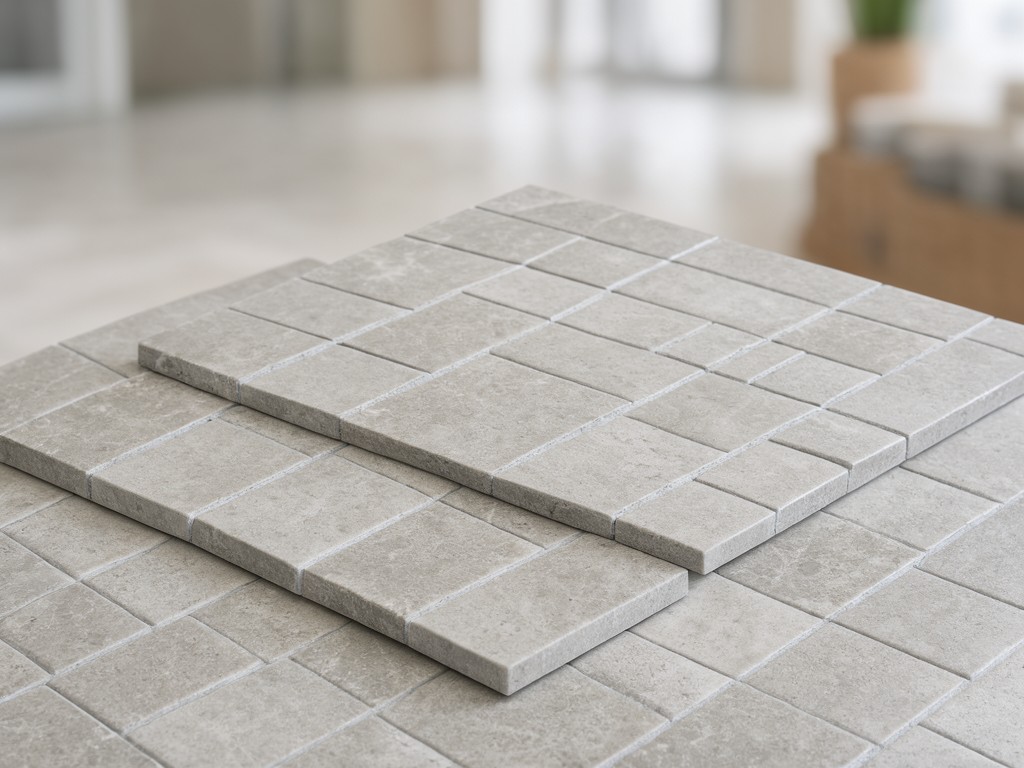
Standard mosaic configurations are optimized for 30x30mm or 50x50mm individual cuts to facilitate standard grout-line widths. The weight per square meter varies by the density of the specific travertine vein, but procurement officers must account for load-bearing capacities on existing wall partitions when specifying large-format thin-set systems.
Honed Finish
A flat, matte surface that emphasizes the natural pits of the stone. Best for interior residential where glare control is a priority.
Tumbled Edge
Softened edges that reduce the risk of chipping during transit and installation. Ideal for high-traffic commercialways.
Assumptions Buyers Should Stop Making
Many buyers assume that natural stone is uniform across different shipments. In reality, gray travertine is a sedimentary product; color tones will shift from charcoal to light ash. We mitigate this by providing batch-specific traceability, ensuring that a project-wide order is sourced from the same geological strata to prevent visual mismatch between floor sections.
Customisation Options and Their Limits
- Custom mesh layouts allow for offset or herringbone patterns to align with specific architectural grids.
- Backing material options include standard paper mesh or waterproof fiberglass-compatible mesh.
- Laser-cut precision for integrated metal or glass inlay strips.
Requirements by Segment
Large-scale hospitality projects require CE certification documentation for slip resistance to meet local safety codes. Conversely, retail-labeling distributors focus on the packaging durability to prevent mesh cracking at the corners of the sheets during high-velocity pallet-load operations.
How Consistency Is Held Across Batches
Our quality control protocol involves moisture-level testing of the stone before cutting. By controlling the moisture content of the raw material, we ensure that the adhesive bond remains stable post-installation, which is the leading cause of delamination in inferior travertine mosaic products.
Stock Availability and Reorder Planning
We maintain inventory based on standard gray travertine runs to facilitate rapid reorder cycles. For custom-cut dimensions or specific thicknesses, a 6-8 week production lead time is standard to account for the extraction and curing cycles required for natural stone.
Packing, Marking and Freight
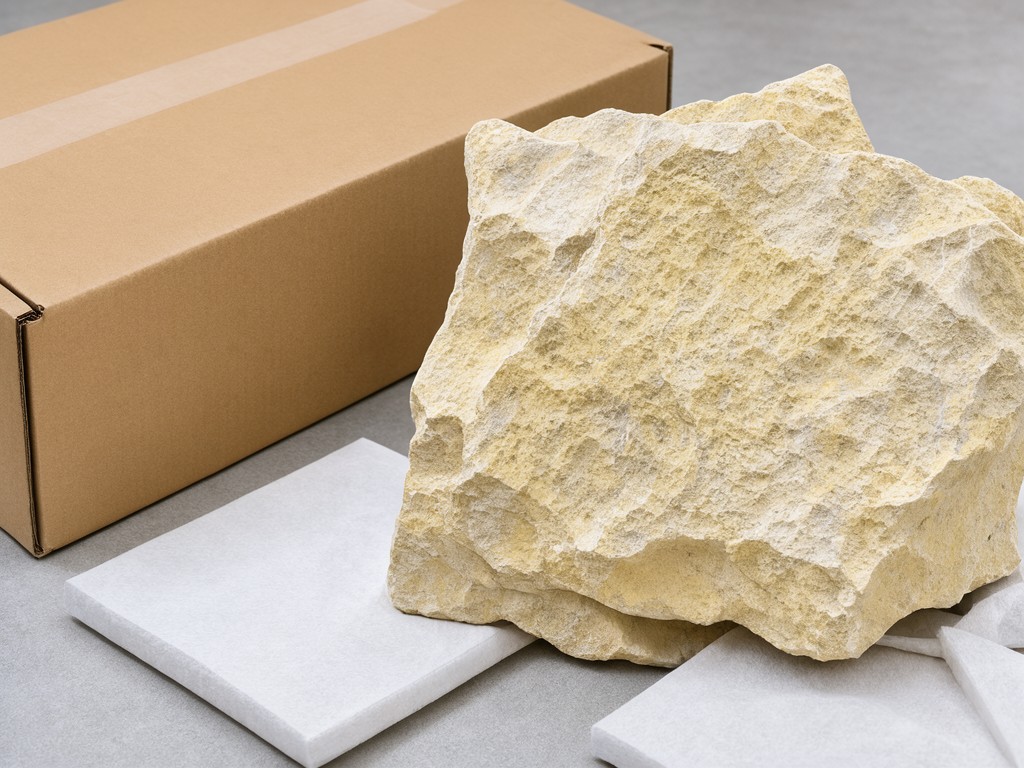
Shipments are packed in reinforced wooden crates with internal cardboard dividers to prevent edge shear. Each crate is marked with batch numbers, net weight, and origin data, allowing for seamless inventory matching upon arrival at the site.