Bulk driveway paving stone supplier: Specification, Ordering and Quality Notes
Material selection for high-traffic surfaces depends on the compressive strength of the concrete mix and the density of the aggregate. For procurement officers, the primary risk in bulk-grade paving is surface spalling or cracking under freeze-thaw cycles. Selecting a material with low water absorption rates ensures that the dimensional stability remains constant over several seasons, directly reducing warranty claims from retail distributors.
Size, Weight and Specification Range
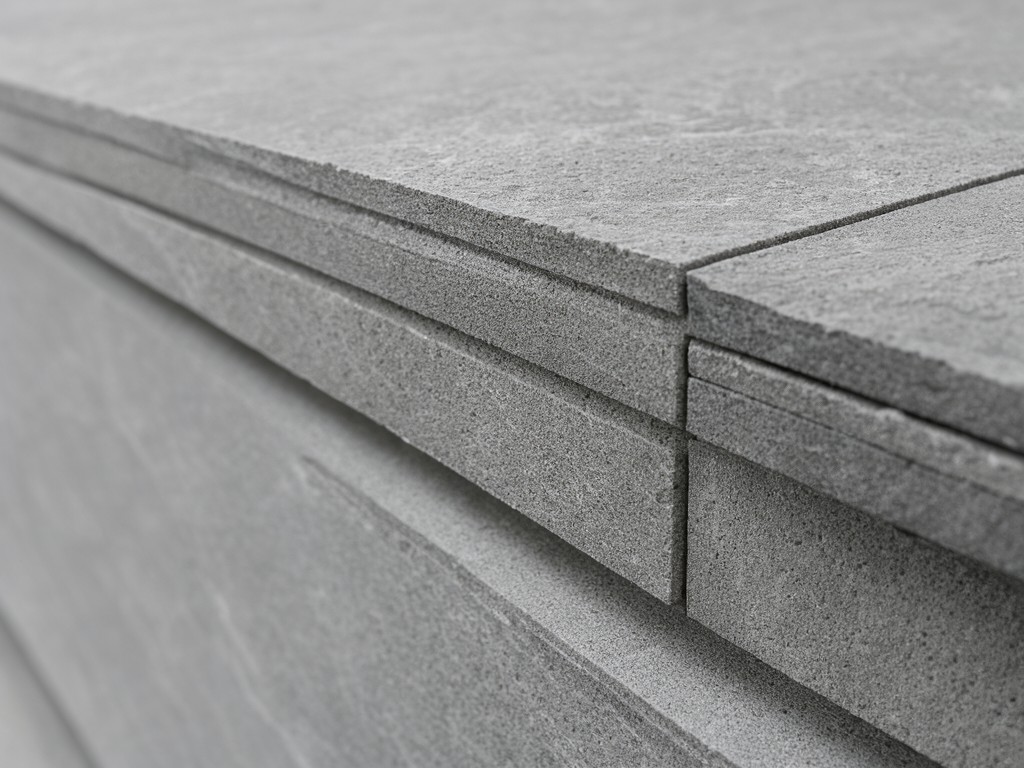
The geometry of the paving stone dictates the interlocking efficiency and the labor requirements for installation. Heavier units provide better resistance against shifting but increase the logistics cost per palletized square meter. We categorize our inventory based on structural application requirements to ensure batch consistency across large-scale infrastructure projects.
| Specification | Standard Range | Primary Application |
|---|---|---|
| Thickness | 50mm - 80mm | Driveways & Heavy Load |
| Compressive Strength | 35MPa - 55MPa | Industrial Paving |
| Water Absorption | < 6% | Cold Climates |
OEM and ODM Programme Structure
Private-label buyers require strict color matching and surface texture consistency across different production runs. Our OEM program focuses on standardized pigment ratios to ensure that a reorder today matches the original shipment exactly. This prevents visual mismatches that often occur when projects are phased over multiple years.
Custom Tooling
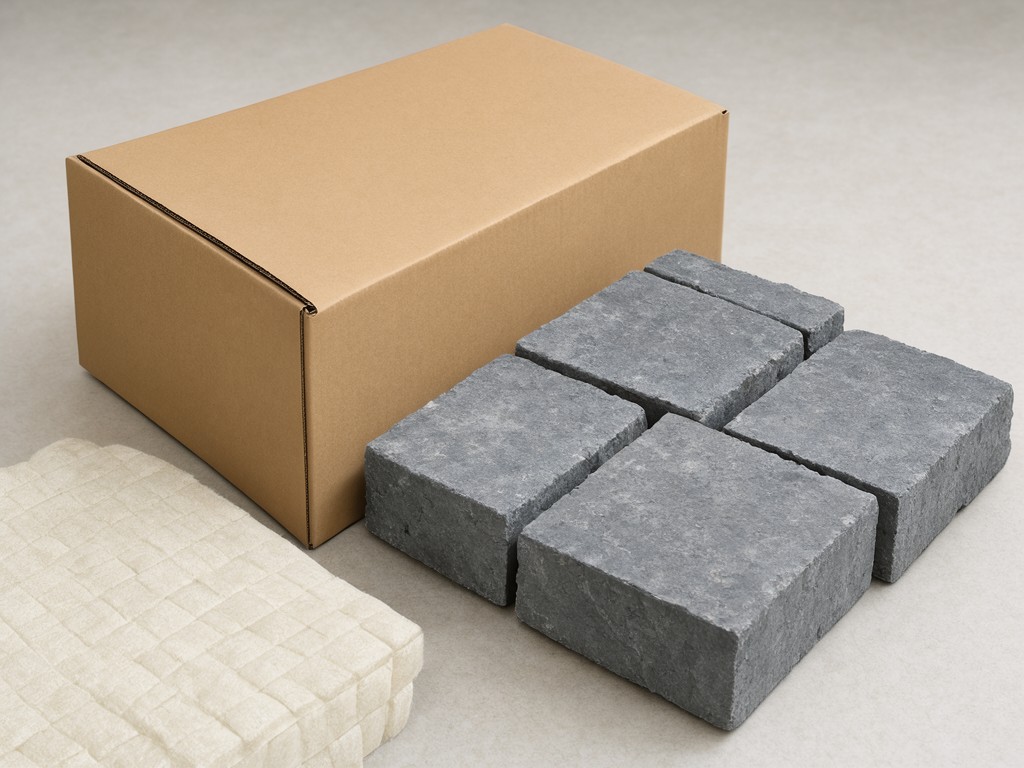
Precision steel molds allow for specific geometric patterns and unique edge required required for retail branding.
Pigment Loading
Integration of iron oxide pigments ensures UV resistance, preventing surface fading under prolonged outdoor exposure.
Capacity, Tooling and Scheduling
Production cycles are dictated by the curing time required for maximum concrete density. For large-scale developments, we schedule production months in advance to ensure the volume requirements are met without compromising the curing process. This proactive approach eliminates the risk of structural weaknesses associated with rapid-set accelerated batches.
- Monthly output capacity exceeds 50,000 square meters for standard profiles.
- Lead time for custom mold fabrication ranges from 4 to 8 weeks after approval.
- Standard stock is maintained for immediate dispatch on urgent replenishment orders.
Keeping Repeat Orders Supplied
Maintaining a stable supply chain is vital for long-term retail partnerships. We maintain archival records of every client-specific specification to ensure that subsequent orders utilize the same molds and material compositions. This consistency allows procurement officers to manage inventory levels without fearing dimensional variations in new batches.
Ordering, Tooling and Lead-Time Questions
What is the minimum order quantity for bulk shipping?
Minimum orders are typically based on full container loads to optimize freight costs and minimize the risk of breakage during long-haul transit.
How is color consistency managed between batches?
We utilize batch-specific testing and spectrophotometer analysis to ensure that color variance remains within a defined Delta E threshold for every production order.
Request a technical specification sheet or sample set for your next project.
Contact Our Sales Engineering Team