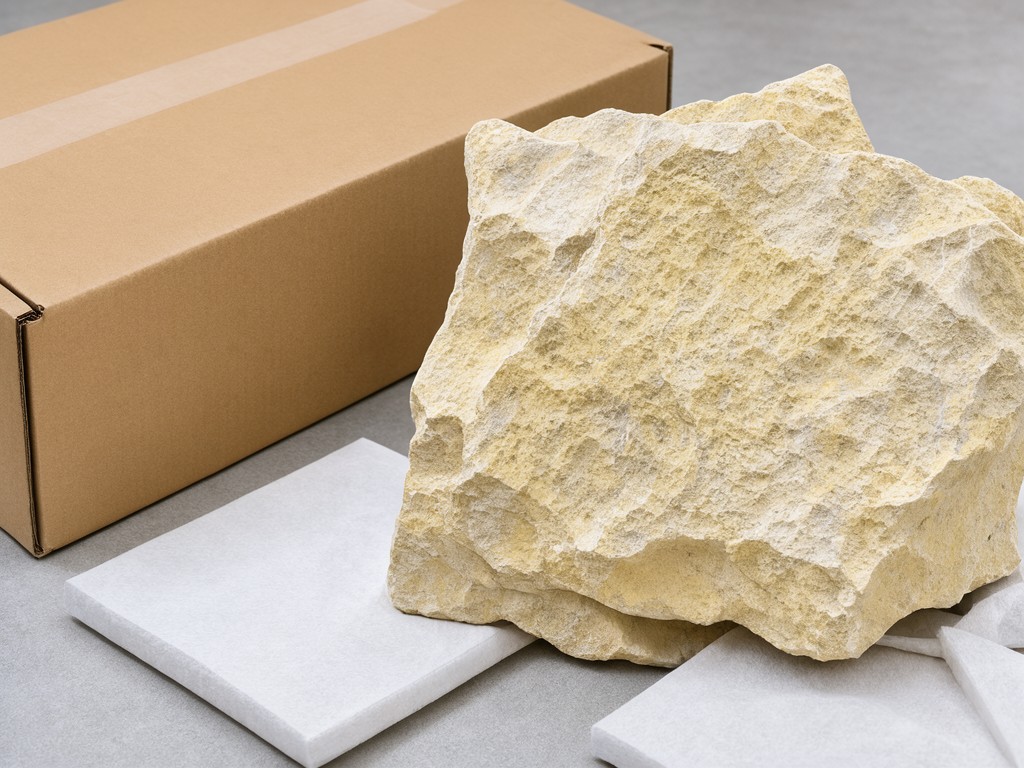
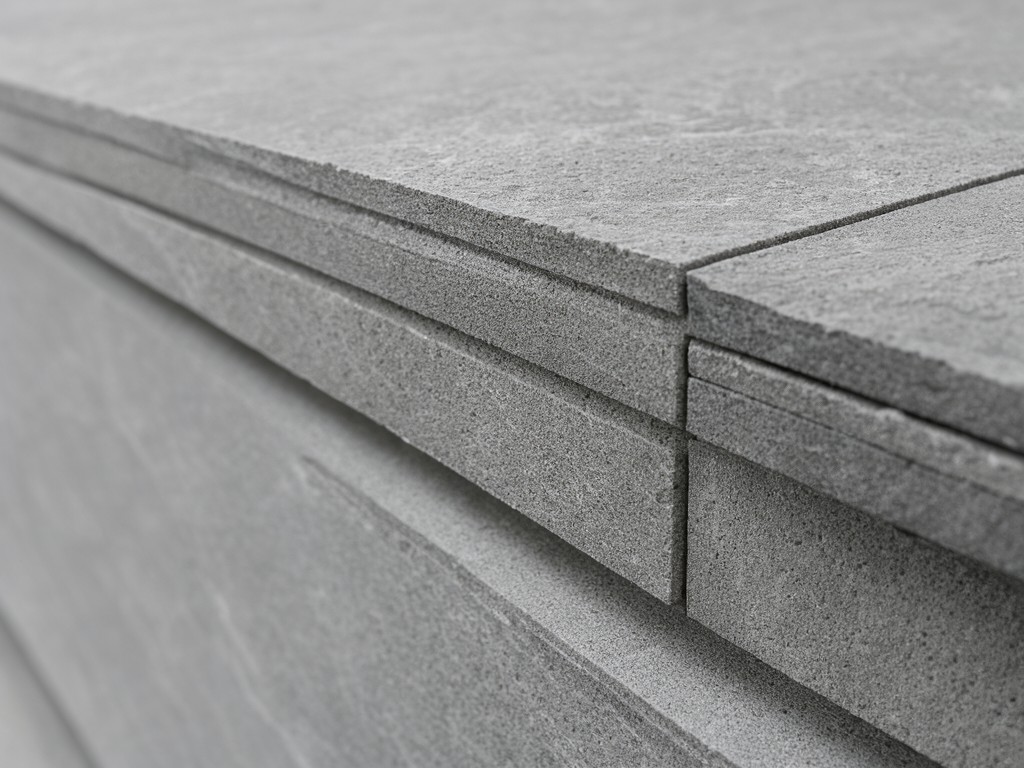
Specifying Best Price Limestone Supplier for Wholesale and OEM Orders
Purity levels and particle distribution determine the chemical reactivity of white limestone in industrial processing. For high-volume agricultural or chemical manufacturing, a calcium carbonate content above 95% is required to prevent inconsistent results during high-temperature calcination. Low-grade variants with high magnesium or silica content lead to unpredictable slag formation and reduced structural integrity in the final product.
What Actually Determines Performance
The extraction method directly impacts the surface area available for chemical reactions. Crushed limestone maintains internal micro-fractures that increase the reactive surface, making it more suitable for rapid neutralization in soil pH adjustment. Conversely, quarried blocks offer a more rectilinear geometry, which is necessary for aggregate applications where density and abrasion resistance are the primary metrics.
- Moisture content must remain below 0.5% for dry-blend applications to prevent clumping during transport.
- Hardness levels measured on the Mohs scale dictate the wear rate on industrial grinding blades and conveyor belts.
- Solubility rates in dilute acid serve as the benchmark for purity verification in pharmaceutical and food-grade additives.
Comparison by Usage Grade
Micronized Grade
Utilized for chemical coatings and specialized fillers. This material undergoes secondary milling to achieve a particle size of under 45 microns, ensuring even dispersion in polymer matrices or paint formulations.
Coarse Aggregate
Designed for structural infrastructure and filtration media. The focus is on load-bearing capacity and resistance to chemical leaching under high-pressure water flow.
Usage Scenarios and Buyer Segments
Procurement officers must balance material cost against processing plant efficiency. A lower price per ton often masks higher energy consumption in the milling stage if the raw material hardness is too high. Selecting a supplier with a consistent mineral profile reduces the maintenance frequency of downstream processing equipment.
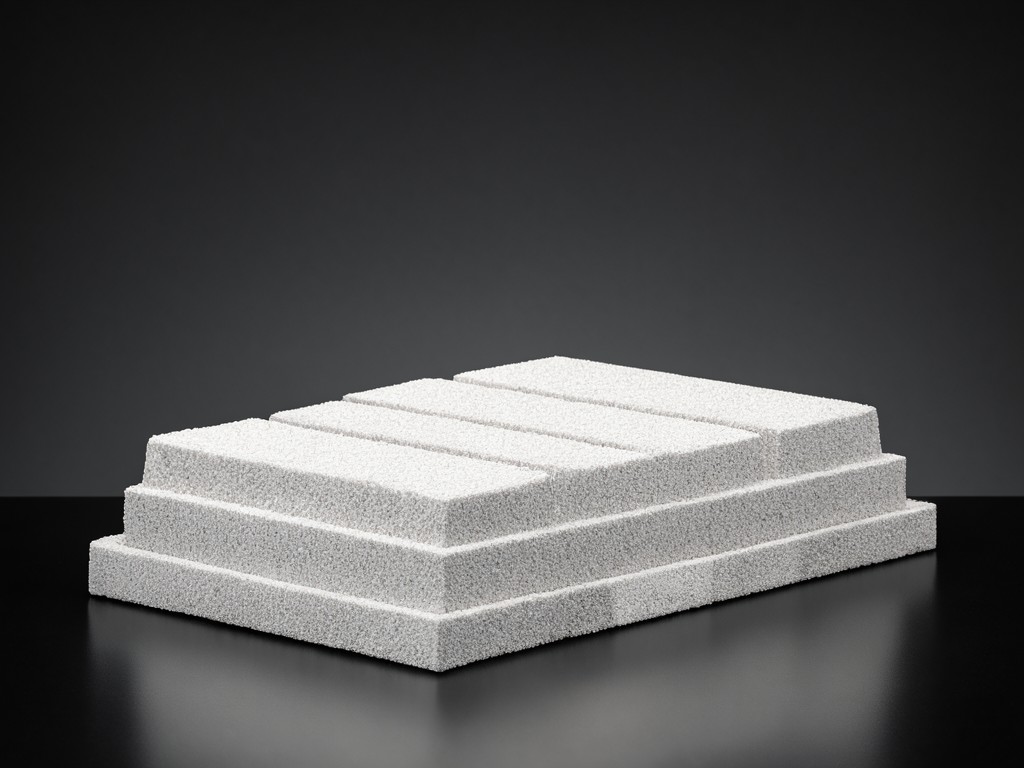
| Usage Condition | Typical Complaint | Prevention Specification |
|---|---|---|
| Agricultural Lime | Inconsistent pH correction due to impurities | CaCO3 content > 96% |
| Industrial Feedstock | High furnace wear from silica content | Silica content < 2% |
| Plastic Fillers | Clumping in final finish | D90 < 10 microns |
Stock Availability and Reorder Planning
Lead times fluctuate based on seasonal quarry access and maritime logistics capacity. Bulk orders for international export typically require a 30-day notice period to ensure dedicated batch testing and moisture stabilization protocols. Maintaining a safety stock of 1.5 times the monthly consumption mitigates risks associated with regional transport disruptions.
Export Packaging and Handling
Moisture ingress is the primary failure mode during ocean transit. We utilize moisture-resistant FIBC bags with internal polyethylene liners to prevent the hydration of fine-grade powders. For bulk vessel-load shipments, steel-lined containers are used to maintain the structural integrity of the material during the loading process.
Setup, Use and Replacement
Integration of new limestone batches into existing production lines requires a calibration of density-sensitive sensors. If the incoming material has a higher specific gravity, volumetric feeders must be adjusted to maintain consistent mass flow rates. Testing a pilot sample before full-scale procurement ensures that the chemical profile matches your established operational parameters.
Request technical data sheets and bulk pricing for your specific requirements.
Contact our technical team for a quote