Best Price Granite Paving Stone Company: What Buyers Should Check Before Ordering
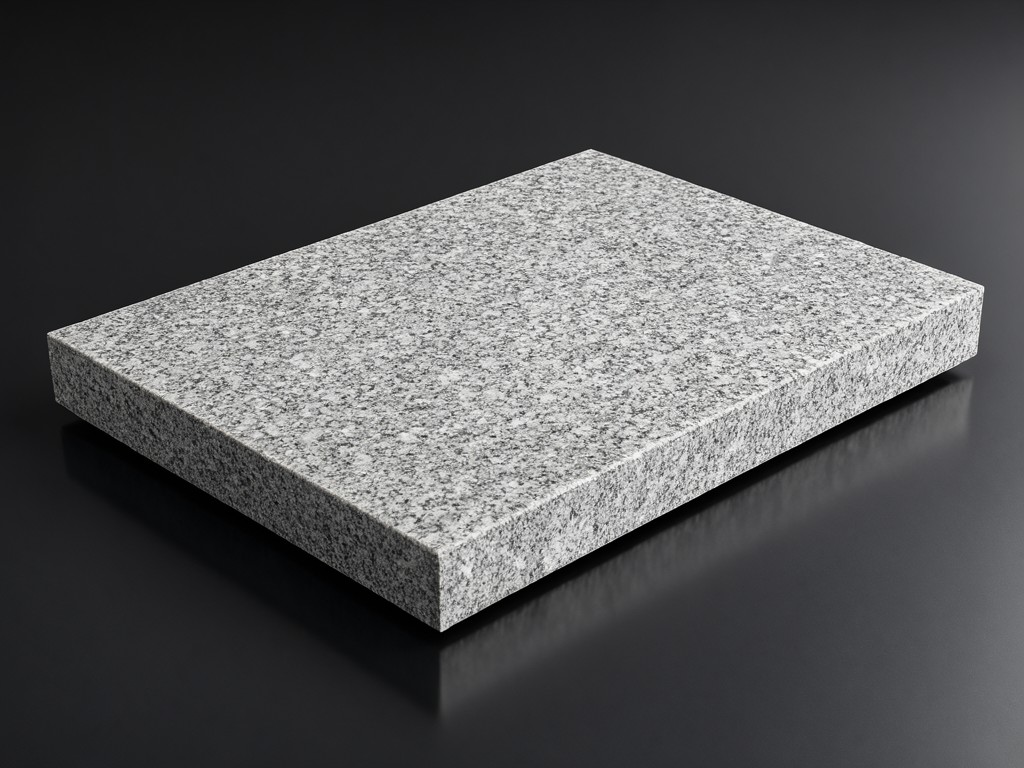
Structural integrity dictates the long-term maintenance budget. In high-traffic infrastructure projects, granite units are judged by their mineral density, compressive strength, and resistance to freeze-thaw cycles. Procurement officers must balance the lower unit cost of secondary stone against the rate of surface abrasion and spalling that occurs under heavy vehicle loads or de-icing salt exposure.
Lower-grade granite often exhibits higher porosity, which allows water ingress. When this moisture freezes, the resulting internal pressure leads to surface delamination or cracking within three seasons in temperate climates. Selecting a material with a verified low water absorption rate ensures the dimensional stability remains within the ±2mm tolerance grade over a twenty-year service life.
Technical Note: For industrial-grade load bearing, a minimum compressive strength of 150-200 MPa is required to prevent shear failure at the joint edges during high-axle machinery operation.
What This Product Is and Where It Fits
The application of granite paving depends on the specific mechanical stress of the environment. Pedestrian zones require honed finishes for slip resistance (R11 rating), whereas commercial loading docks demand flamed or bush-hammered textures to maintain friction coefficients even when wet or oily residues.
Commercial Infrastructure
- High-load driveways for heavy machinery.
- Public plazas with high pedestrian density.
- Curbing requiring impact-resistant edges.
Architectural Finishing
- Decorative walkways with precision patterns.
- Pool surrounds requiring high UV resistance.
- Interior commercial cladding for thermal mass.
Where Cheaper Alternatives Fall Short
Price-sensitive sourcing often pivots toward concrete pavers or lower-density stone. While the initial capital expenditure is lower, the lifecycle cost of these alternatives rises due to color fading and mechanical wear. Concrete pavers often lose their sharp-profile edges under repetitive thermal expansion, leading to uneven joints and tripping hazards that granite-precision-fit masonry avoids.
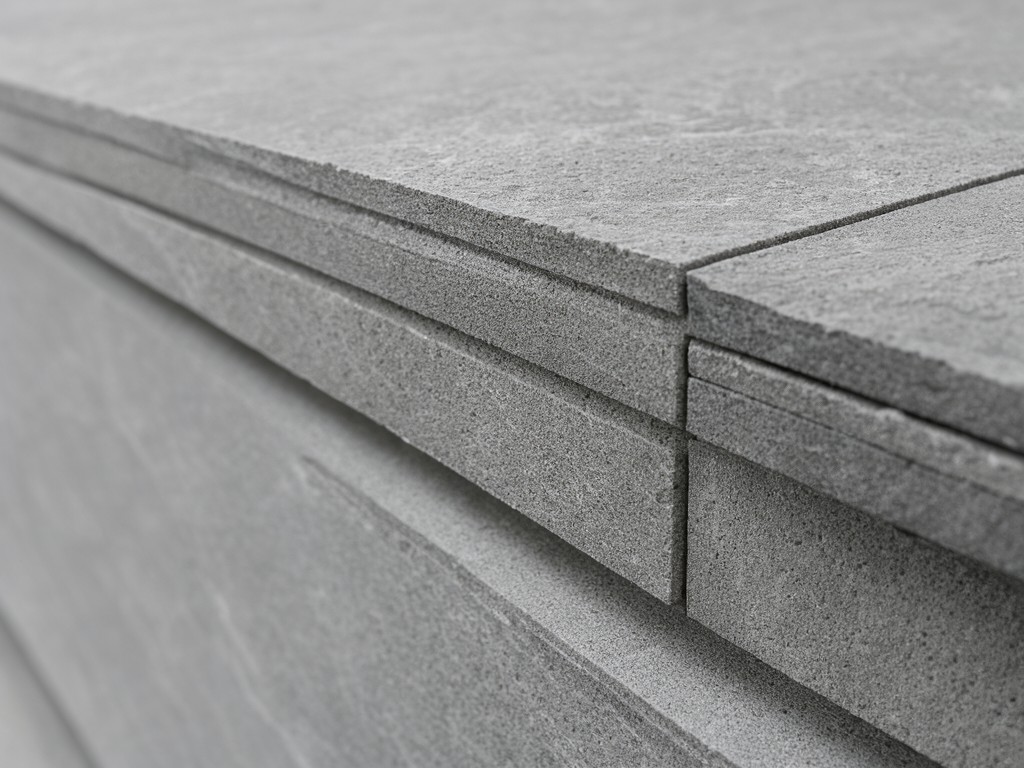
Batch-consistency in stone-cut dimensions is another failure point for budget suppliers. If the factory does not maintain strict dimensional control, the variance in stone thickness forces wider mortar joints, which increases the volume of required bedding material and raises the risk of root penetration or shifting slabs.
Option Comparison by Usage
| Feature | Standard Grade | Premium Grade |
|---|---|---|
| Surface Finish | Honed/Smooth | Flamed/Bush-hammered |
| Dimensional Tolerance | ±2.0mm | ±1.0mm |
| Water Absorption | < 0.8% | < 0.5% |
Matching the Product to the Buyer's Need
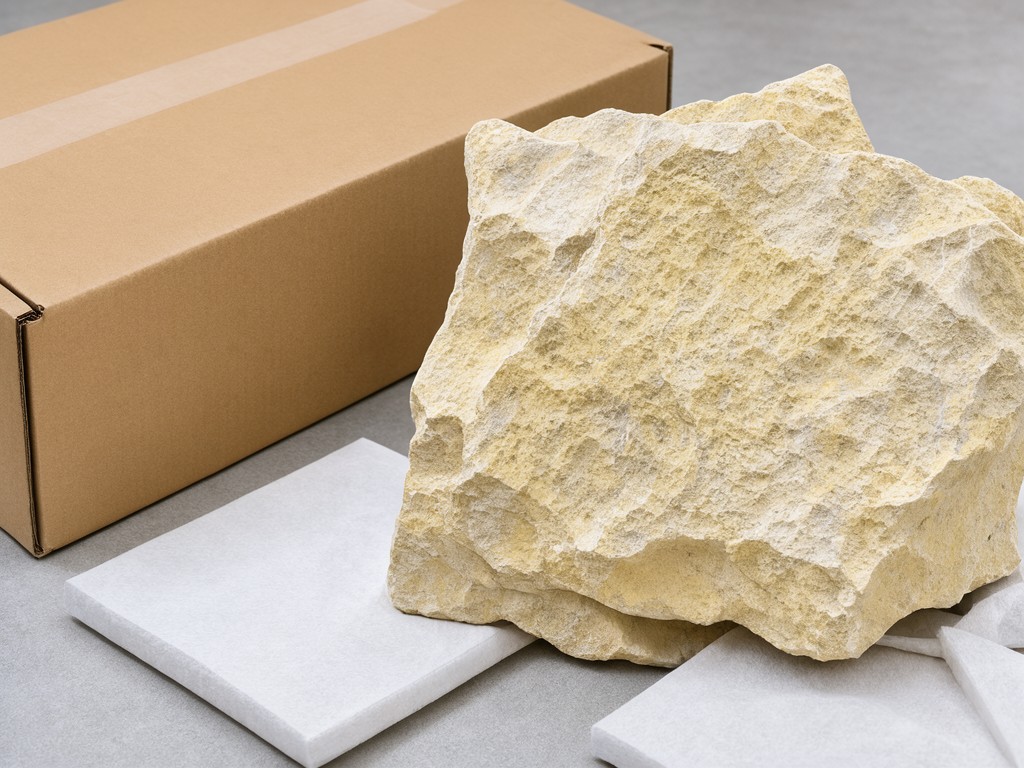
Logistics and freight configuration significantly impact the final landed cost. For large-scale municipal projects, batch color variance across different quarry runs is a primary risk. Procurement officers should demand batch-traceability reports to ensure the mineral composition and visual tonality remain consistent across the entire project shipment.
Customization requirements, such as CNC-cutting for specific geometric patterns or integrated channels, increase lead times but reduce on-site material waste by approximately 15-20% compared to manual field-cutting of standard rectangular units.
Inspection Items and Test Methods
Quality assurance at the factory level involves rigorous testing to verify performance claims. We utilize abrasion testing to ensure the surface finish will not wear away under specified traffic loads and salt spray tests to evaluate resistance to chemical weathering.
- Compressive strength testing to verify load-bearing capacity.
- Dimensional checks via laser calipers for joint precision.
- Water absorption rate testing for frost-resistance verification.
- Visual inspection for mineral vein consistency and color-matching.
Capacity and Scheduling
Lead times are dictated by the quarry output and the processing capacity of the cutting lines. Standard stock sizes are typically available for a 4-6 week lead window, while custom-cut geometries or specific mineral imports require 12-16 weeks to account for specialized setup and material curing.
Minimum order quantities (MOQ) are usually based on pallet volume to optimize shipping container density and minimize breakage during transit. Smaller orders are possible but incur a higher per-unit cost due to the freight handling requirements.