Specifying B2B Random Flagstone top Company for Wholesale and OEM Orders
Transitioning from sample orders to container loads requires a shift in how material consistency is evaluated. When sourcing random-cut flagstone for large-scale developments, the primary risk is the variance in stone thickness and structural integrity across different batches, which leads to uneven installation surfaces and increased labor costs during laying. A manufacturing partner must provide a documented sorting process that ensures the specified 30mm to 50mm thickness range is maintained across 95% of the shipment to prevent project delays.
Private-label buyers often encounter issues where the mineralogical composition of the stone varies between quarry faces. If the porosity levels are not controlled, the stone will absorb excessive moisture, leading to spalling after the first few freeze-thaw cycles. We utilize moisture absorption testing on every lot to ensure the water penetration rate remains below the 3% threshold, protecting the longevity of the installation in high-traffic commercial environments.
Critical Quality Control Metrics
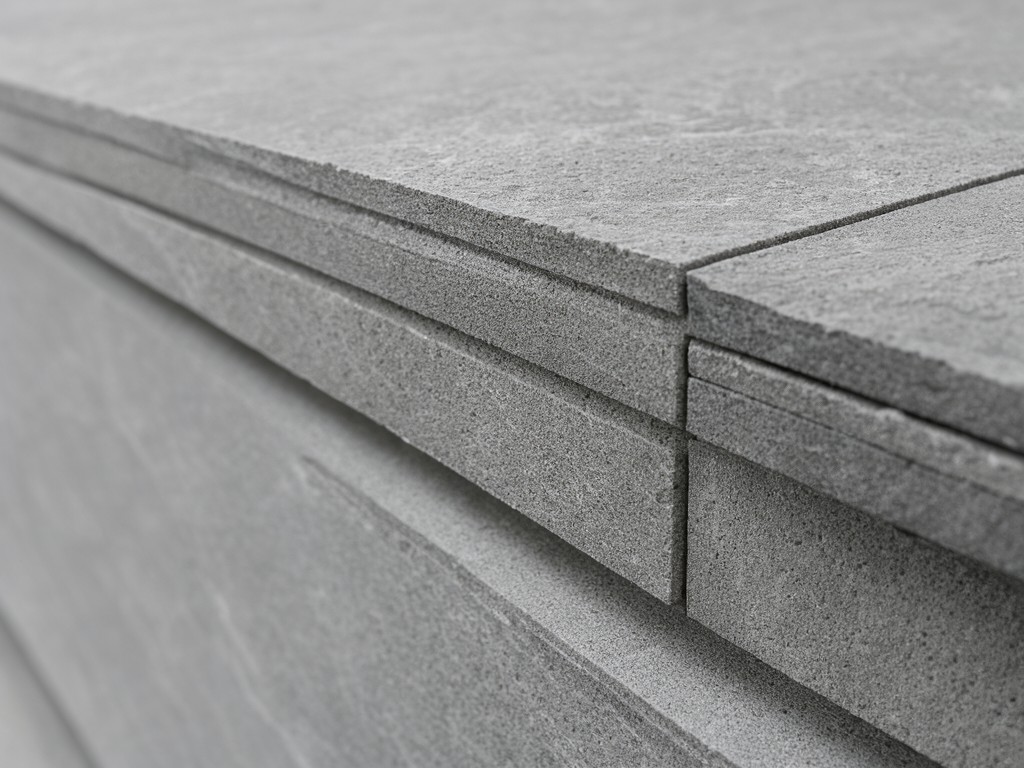
The structural performance of random-cut stone depends on the cleavage strength and the precision of the natural-edge edges. We monitor the compressive strength to ensure it exceeds the load-bearing requirements for pedestrian-grade zones without premature fracturing.
- Dimensional tolerance: ± 3mm on nominal thickness across units.
- Compressive strength: >80 MPa for dense-grain variants.
- Surface friction coefficient: Class R11 minimum for slip-resistance compliance.
- Color variance: Delta E <2 against the master batch sample.
Assumptions Buyers Should Stop
Procurement officers often assume that "random" designation allows for total lack of size control. In reality, a lack of geometric sorting results in a mix containing too many small slivers or oversized slabs, which disrupts the visual pattern of the installation and increases material waste. We categorize shipments by distribution curves to ensure a balanced ratio of small, medium, and large pieces, allowing installers to maintain a consistent aesthetic without excessive on-site sorting.
Another common misconception is that natural stone is inherently resistant to chemical efflorescence. Without a pre-treatment sealant or a specific mineral-density stone selection, de-icing salts can cause surface degradation within months. We provide technical data sheets detailing the chemical resistance of each variety so that buyers can match the material to the specific maintenance protocols of the end-user.
Segment-Specific Requirements
| Application Segment | Technical Priority | Testing Metric |
|---|---|---|
| High-Traffic Plazas | Load bearing & Slip Resistance | ASTM Abrasion Test |
| Residential Landscaping | UV Resistance & Color | Color Fastness Rating |
| Pool Decks | Chemical Stability (Chlorine) | Acid Resistance Rate |
Stock Availability and Reorder Planning
Managing inventory for random-cut stone requires real-time tracking of quarry output cycles. Unlike manufactured goods, the availability of specific stone veins is subject to seasonal extraction limits and geological de-risking. We maintain a rolling forecast of high-volume varieties to ensure that OEM clients with multi-year contracts do not face sudden color shifts due to switching quarry faces mid-project.
Lead-Time Optimization
Standard container orders typically require a 4-6 week lead time for processing. Custom-edge treatments or specific--grading can extend this to 12 weeks depending on the manual labor intensity required for precision finishing.
Buffer Strategy
We offer palletized stock buffering for top-tier SKUs. This allows distributors to trigger immediate dispatch for urgent orders, mitigating the risk of logistics delays during peak construction phases.
Export Packaging and Handling
The primary failure mode for flagstone during transit is edge breakage and surface chipping caused by improper palletization. We utilize heat-treated timber crates with internal structural bracing to prevent lateral movement during sea freight. Each bundle is shrink-wrapped and moisture-tagged to ensure the arrival condition matches the manifest, significantly reducing the rate of insurance claims for the end importer.
Care, Storage and Service Life
To maintain the service life of the stone, storage must be elevated off the ground to prevent capillary action. Prolonged exposure to damp earth can lead to staining or organic growth before installation. Once installed with the appropriate mortar bed, high-density flagstone offers a service life exceeding 50 years, provided that the joints are maintained to prevent water infiltration.
Ordering, Tooling and Questions
-
What is the minimum order quantity for custom-graded stone?
Our MOQ is typically one 20ft container (approx. 18-24 tonnes) to ensure the economic viability of the manual sorting process, though we accept palletized LCL loads for smaller-scale OEM projects.
-
Can you provide digital samples for architectural approval?
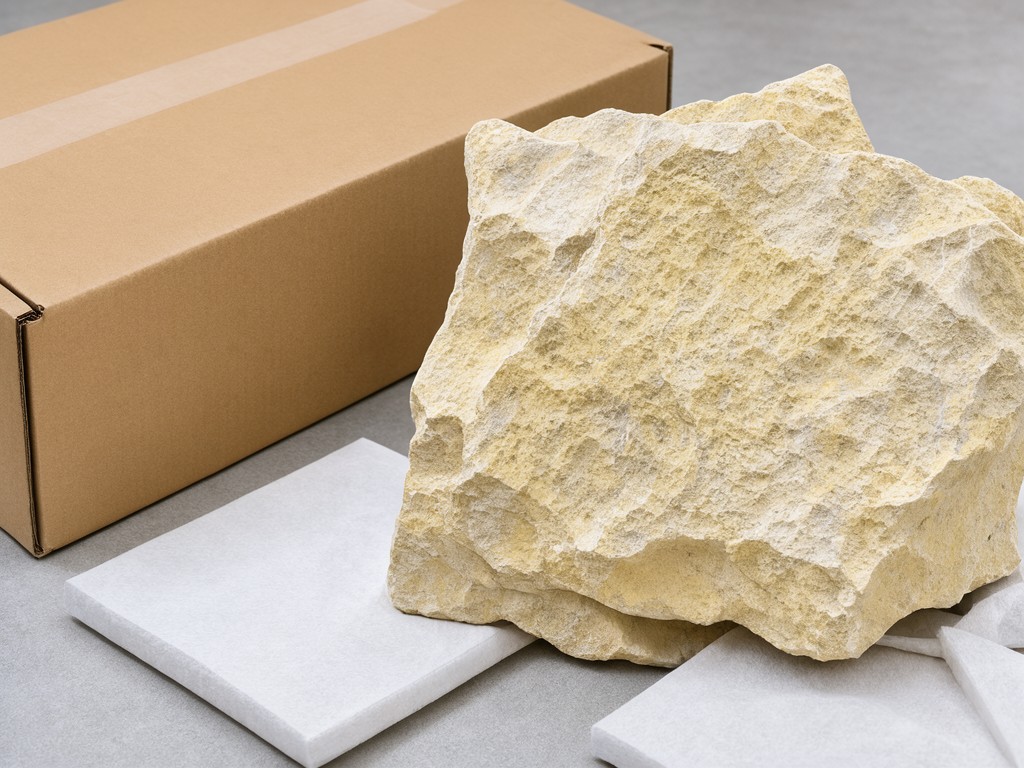
High-resolution photography and video-walkthroughs of current quarry stock are provided. For final approval, we ship physical sample boxes representing the specific texture and mineral density requested.
-
How is the thickness variance measured in each shipment?We utilize ultrasonic gauges and manual calipers on a random 5% sample of each batch, generating a variance report that confirms the deviation from the target thickness.
Request a technical specifications package or a quote for your next project.
Contact our technical sales team